Liposuction is a body-contouring procedure designed to remove stubborn pockets of fat that remain despite a balanced diet and regular physical activity. It can help refine areas such as the abdomen, waist, thighs, hips, upper arms, back, and chin. However, the procedure is not suitable for everyone, and determining eligibility requires an assessment of overall health, body composition, skin quality, and personal expectations. Understanding these factors can help individuals decide whether Liposuction in Dubai is an appropriate option for their body-contouring goals.
Many people consider this treatment when particular areas appear disproportionate to the rest of their physique. For example, someone may maintain a stable weight but continue to notice fat around the lower abdomen or flanks. Liposuction can address these localised deposits, although it is not intended to treat obesity or replace long-term weight management.
The most suitable candidates generally have a relatively stable body weight, localised fat deposits, and sufficient skin elasticity to allow the treated area to adapt to its new contours. Good general health and realistic expectations are equally important. People with significant loose skin, certain medical conditions, or expectations of substantial weight loss may need a different approach.
Dubai offers access to a range of cosmetic surgery providers, but selecting a qualified surgeon and understanding the procedure's limitations remain essential. A personalised consultation helps establish whether liposuction is appropriate, which areas may benefit, and what results can reasonably be expected.
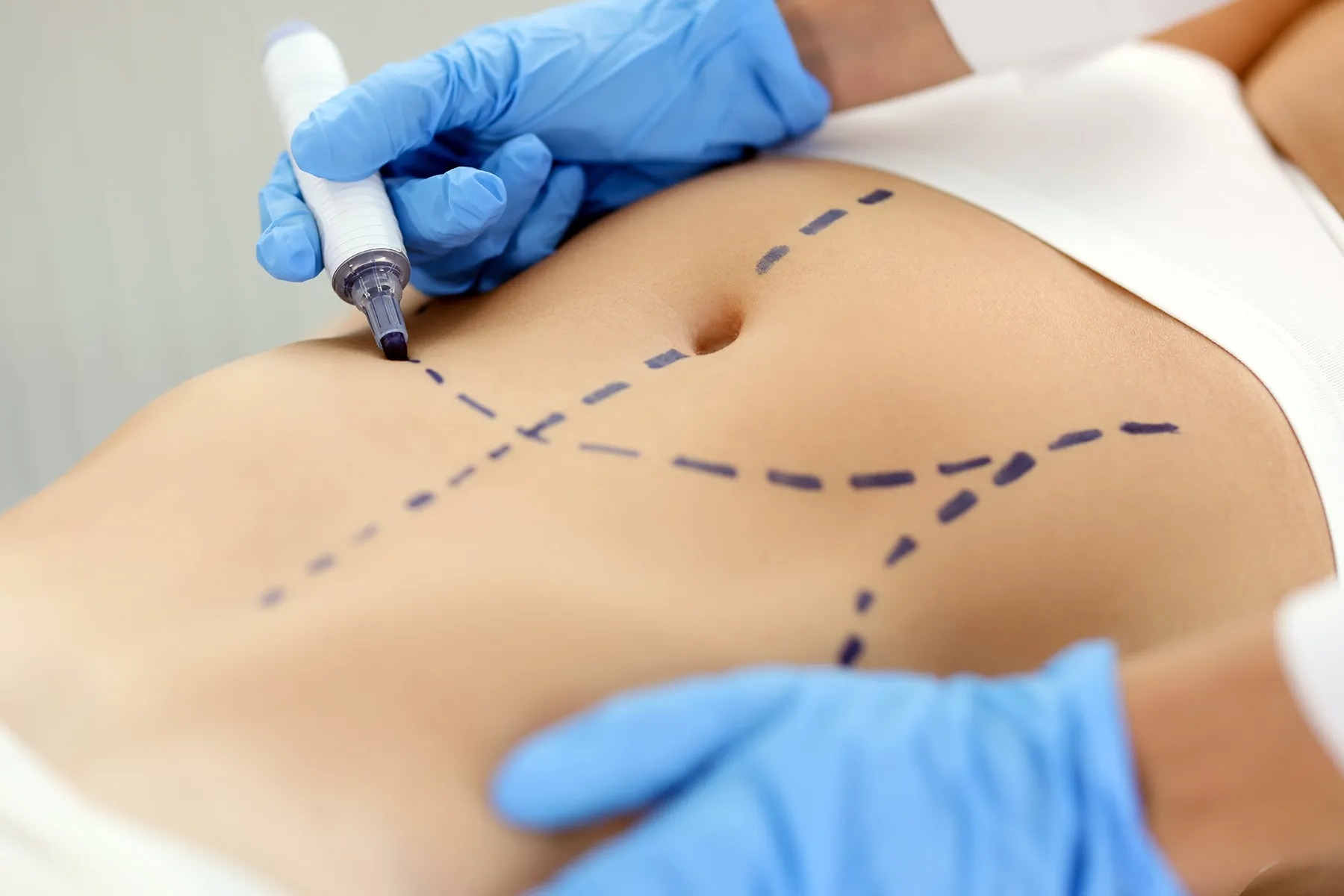
What Makes Someone a Suitable Candidate for Liposuction?
Eligibility depends on several factors rather than a single weight or body measurement. A surgeon considers the patient's health, the distribution of body fat, skin condition, and reasons for seeking treatment before recommending surgery.
Stable Body Weight and Localised Fat Deposits
People who are close to their preferred weight and have persistent fat deposits in specific areas may be good candidates. These deposits can be resistant to exercise and dietary changes, even when the individual maintains generally healthy habits.
Liposuction removes fat from selected areas to improve body proportions. It does not prevent future weight gain, and remaining fat cells can enlarge if body weight increases significantly after treatment.
Good Skin Elasticity
Skin elasticity influences how smoothly the treated area may settle after fat removal. When the skin can contract adequately, the resulting contours may appear more defined.
Individuals with considerable skin laxity may not achieve their desired outcome with liposuction alone. In some cases, a procedure that removes excess skin, such as an abdominoplasty, may be more appropriate.
Good General Health
Candidates should be medically fit to undergo surgery and anaesthesia, when required. Conditions such as uncontrolled diabetes, significant cardiovascular disease, bleeding disorders, or certain circulation problems may increase procedural risks.
Smoking and nicotine use can also interfere with healing. Patients should disclose their medical history, current medications, supplements, allergies, and tobacco use during the consultation. The surgeon may recommend medical optimisation or advise against surgery if the risks outweigh the potential benefits.
Realistic Expectations
Liposuction can improve body contours, but it cannot guarantee perfect symmetry, completely smooth skin, or a specific clothing size. The outcome depends on individual anatomy, the amount and location of fat removed, skin quality, and the healing process.
Candidates who understand these limitations are generally better prepared to make an informed decision.
Who May Need an Alternative to Liposuction?
Although many adults can benefit from body contouring, some concerns require a different treatment strategy.
People seeking major weight reduction may benefit more from a structured weight-management programme or, where medically appropriate, specialist obesity treatment. Liposuction is not a substitute for these approaches.
Individuals with significant loose abdominal skin following pregnancy or substantial weight loss may need an assessment for skin-removal surgery. Similarly, patients with weakened abdominal muscles may require a procedure that addresses muscle separation rather than fat removal alone.
Those planning pregnancy or anticipating substantial weight changes may prefer to discuss timing with their surgeon before proceeding. Pregnancy and major fluctuations in weight can alter the results.
A history of previous cosmetic surgery does not automatically rule out treatment, but scar tissue and changes in anatomy may make planning more complex. A thorough examination is especially important in these circumstances.
Clinics to Consider for a Liposuction Consultation in Dubai
When researching Liposuction in Dubai, patients should focus on the qualifications of the operating surgeon, the facility's safety standards, and the quality of the preoperative assessment. The following providers are options to investigate when arranging a consultation. Patients should independently confirm current services, surgeon credentials, and facility licensing before making a decision.
Dynamic Life Clinic
Dynamic Life Clinic is one of the Dubai-based providers patients may research when exploring cosmetic and aesthetic treatments. Individuals considering surgical body contouring should ask whether the clinic offers the specific liposuction procedure they need and which qualified surgeon would perform it.
A useful consultation should cover the patient's medical history, the location of the targeted fat deposits, skin elasticity, and expected recovery. Prospective patients should also clarify where surgery takes place, what anaesthesia arrangements are available, and how postoperative follow-up is managed.
Enfield Royal Clinic
Enfield Royal Clinic is a provider to consider when researching cosmetic treatments and body-contouring options in Dubai. Individuals interested in Liposuction in Dubai should arrange an assessment to determine whether their concerns are related primarily to localised fat, excess skin, or a combination of both.
A personalised consultation should establish whether the patient is medically suitable for surgery and whether liposuction alone is likely to address the intended area. Patients should ask about the operating surgeon's qualifications, the proposed technique, the risks of treatment, and the expected recovery period.
It is also important to understand the limitations of the procedure. A responsible treatment plan should explain that results vary between individuals and that maintaining a stable weight can help preserve the outcome. Patients should confirm the availability of the specific surgical service and the arrangements for follow-up care directly with the clinic.
Emirates Hospital
Emirates Hospital is another healthcare provider patients may investigate when comparing surgical options in Dubai. For those considering liposuction, the priority should be identifying an appropriately qualified plastic surgeon and confirming that the proposed procedure is available at the intended facility.
Patients can use the consultation to discuss their suitability, anaesthesia requirements, preoperative testing, and potential complications. It is also worth asking how the surgical team manages unexpected concerns and provides support during recovery.
Cocoona Clinic
Cocoona Clinic may be included in a patient's research into cosmetic and body-contouring services. Before choosing a provider, individuals should verify whether the clinic currently offers the relevant surgical procedure and establish the experience of the surgeon responsible for their care.
The assessment should consider the distribution of fat, skin condition, medical history, and personal goals. Patients should also request clear information about the likely extent of improvement, recovery restrictions, follow-up appointments, and any additional costs associated with treatment.
Al Zahra Hospital Dubai
Al Zahra Hospital Dubai is a hospital-based option to investigate when researching surgical care. Patients considering cosmetic procedures should confirm the availability of liposuction, the credentials of the operating specialist, and the arrangements for anaesthesia and postoperative monitoring.
A comprehensive assessment should also identify any health conditions or medications that could affect surgical safety. Individuals should receive an explanation of the procedure's benefits, limitations, alternatives, and potential complications before consenting to treatment.
Tajmeels Clinic
Tajmeels Clinic is another provider patients may research when comparing cosmetic treatment options in Dubai. Those considering body contouring should ask about the specific techniques available, the surgeon's experience with the targeted area, and the criteria used to determine suitability.
The consultation should provide an opportunity to discuss realistic outcomes and understand whether another treatment may better address loose skin or other concerns. Patients should also confirm the location of surgery, the level of postoperative support, and the process for addressing complications.
Dubai Cosmetic Surgery Clinic
Dubai Cosmetic Surgery Clinic is a further option to investigate when researching specialist cosmetic procedures. Prospective patients should verify the availability of the required liposuction treatment and review the qualifications and relevant surgical experience of the practitioner.
Important consultation topics include the amount of fat that can safely be removed, the anticipated changes in body shape, the likelihood of contour irregularities, and the time required to return to normal activities. Patients should receive an individualised treatment plan rather than relying on generalised outcome claims.
King's College Hospital London Dubai
King's College Hospital London Dubai is a hospital provider patients can investigate when seeking specialist assessment and surgical care. Anyone considering liposuction should confirm whether the procedure is offered at the relevant location and identify the surgeon responsible for the treatment.
Patients should discuss their medical fitness, potential anaesthesia risks, and any existing health conditions that could affect recovery. They should also clarify the postoperative monitoring arrangements and the process for obtaining medical advice if symptoms arise after surgery.
How to Choose the Right Clinic for Liposuction in Dubai
Choosing a provider involves more than comparing prices or viewing before-and-after photographs. The quality of the clinical assessment, the surgeon's experience, and the safety arrangements are central to making an informed decision.
Experience and Qualifications
Check that the operating surgeon holds the appropriate specialist qualifications and current professional licence for the procedure in Dubai. Ask about their experience treating the specific body area and how they approach cases involving reduced skin elasticity or previous surgery.
A qualified surgeon should explain why a particular technique is suitable and discuss alternative options when necessary.
Technology and Surgical Techniques
Liposuction techniques vary in how fat is loosened and removed. Depending on the patient's needs and the surgeon's assessment, options may include conventional suction-assisted liposuction or techniques that use ultrasound or other forms of energy.
No single method is ideal for every patient. The surgeon should explain the proposed technique, its limitations, and the reasons for recommending it rather than selecting a method solely because it is advertised as newer.
Safety Standards
Confirm that the procedure will take place in an appropriately licensed facility with suitable surgical, anaesthesia, and emergency arrangements. Ask whether preoperative investigations are required and how the clinical team assesses the risk of complications.
Liposuction can cause bruising, swelling, infection, fluid accumulation, contour irregularities, and changes in sensation. More serious complications, although less common, can include blood clots, fluid imbalance, and anaesthesia-related problems. Patients should understand these risks before consenting to surgery.
Consultation and Individualised Planning
A good consultation includes a physical examination, medical history review, discussion of goals, and an explanation of likely outcomes. The surgeon should assess whether liposuction alone can address the concern or whether excess skin or another condition requires a different treatment.
Patients should feel comfortable asking questions and should not be pressured into making an immediate decision.
Patient Experience and Recovery Support
Before proceeding, clarify what happens after surgery, including follow-up appointments, compression garment requirements, activity restrictions, and access to medical advice.
Recovery varies depending on the treatment area, the extent of surgery, and individual healing. Swelling and bruising may take several weeks to improve, while the final contour can take several months to become apparent. Patients should obtain specific recovery instructions from their surgical team.
Expected Results and Costs
Request a written treatment plan that explains the intended outcome, the procedure's limitations, and the total anticipated cost. Ask whether the quoted fee includes the surgeon, anaesthesia, facility charges, garments, and follow-up visits.
Before-and-after photographs may help illustrate possible outcomes, but they cannot predict an individual's results. The final decision should be based on clinical suitability, safety, and realistic expectations rather than price or promotional claims alone.
Frequently Asked Questions
Who is the ideal candidate for liposuction?
An ideal candidate is generally a healthy adult with a relatively stable weight, localised fat deposits, reasonable skin elasticity, and realistic expectations. A consultation is necessary to determine individual suitability.
Is there a specific weight requirement for liposuction?
There is no single weight that determines eligibility for every patient. Surgeons assess body composition, overall health, fat distribution, and the intended treatment area. Being close to a stable, healthy weight is often more important than reaching a particular number on the scale.
Can liposuction treat loose skin?
Liposuction primarily removes fat and does not directly remove excess skin. People with substantial skin laxity may require a skin-removal procedure or another approach, depending on their anatomy and goals.
How long does it take to see results after liposuction in Dubai?
Some changes may become noticeable as the initial swelling subsides, but the treated area can take several months to settle fully. Recovery and the timing of visible results vary according to the procedure, treatment area, and individual healing.
Can fat return after liposuction?
The fat cells removed during liposuction do not normally return in the same way, but the remaining fat cells can enlarge with weight gain. Maintaining a stable weight through balanced nutrition and regular physical activity helps preserve the results.
Conclusion
Suitable candidates for liposuction are generally adults who have stubborn, localised fat deposits, maintain a relatively stable weight, and are medically fit for surgery. Skin elasticity, personal goals, and realistic expectations also influence whether the procedure is likely to provide a satisfactory result.
When considering Liposuction, patients should prioritise a thorough consultation, appropriately qualified surgical care, clear information about risks, and reliable postoperative support. Comparing providers carefully and understanding the limitations of fat removal can help individuals make a more informed decision about whether this body-contouring procedure is right for them.


