
Learn how to build a mobile app in Abu Dhabi, UAE, including development costs, process, technologies, features, and how to choose the right app development company.
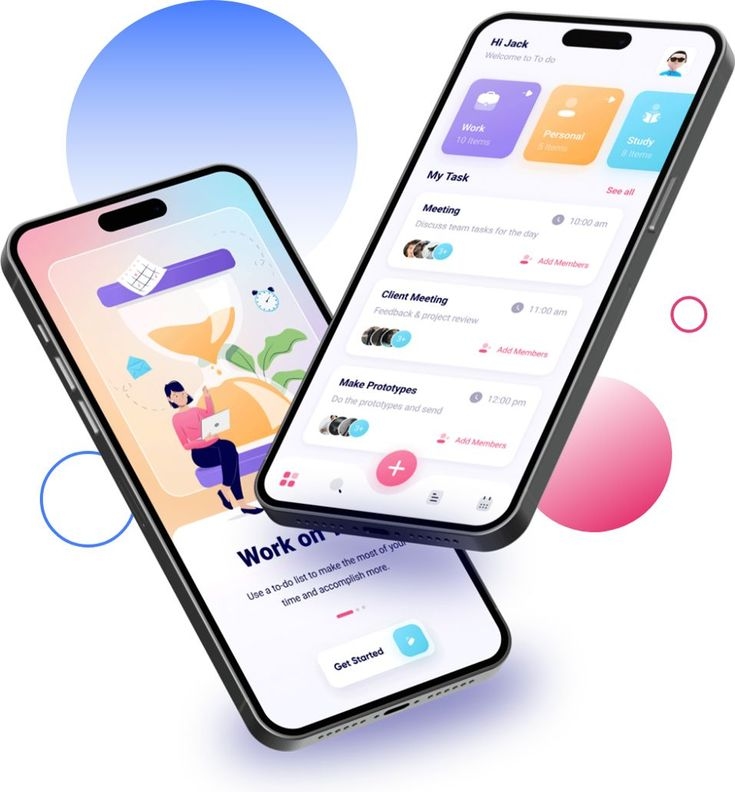
Mobile app development in Abu Dhabi has become an important investment for businesses across retail, healthcare, finance, logistics, real estate, hospitality, and other sectors. Companies are using mobile applications to improve customer service, simplify operations, and create convenient digital experiences.
A successful application requires more than writing code. Businesses need a clear strategy, suitable technology, user-friendly design, reliable infrastructure, proper testing, and ongoing support.
This guide explains how to build a mobile app in Abu Dhabi, UAE, from the initial idea to post-launch maintenance.
Why Build a Mobile App in Abu Dhabi?
Smartphones play an important role in how customers discover products, communicate with businesses, make payments, and access services.
For businesses, an application can provide a direct digital channel without depending entirely on websites or third-party platforms.
A mobile app can help businesses:
Improve customer engagement.
Simplify bookings and purchases.
Provide faster customer support.
Send personalized notifications.
Manage orders and deliveries.
Accept digital payments.
Automate business processes.
Collect useful business insights.
Build customer loyalty.
The right application should solve a specific business problem. Adding unnecessary features can increase costs and make the product harder to use.
What Types of Mobile Apps Can You Build?
The type of application you build depends on your business model, customers, and objectives.
E-Commerce Apps
E-commerce applications allow customers to browse products, add items to carts, make payments, and track orders.
Businesses can also add loyalty programs, personalized recommendations, discount notifications, and customer support.
Healthcare Apps
Healthcare applications can support appointment booking, telemedicine, patient communication, medical reminders, and healthcare service management.
Businesses working with sensitive information should plan privacy and security requirements from the beginning.
Real Estate Apps
Property companies can use applications for property listings, searches, inquiries, appointments, and property management.
Features such as maps, filters, saved properties, and notifications can make property discovery easier.
Logistics Apps
Logistics companies can build applications for shipment tracking, driver management, delivery updates, route information, and customer communication.
Some businesses may require separate applications for customers, drivers, and administrators.
On-Demand Apps
On-demand applications are suitable for food delivery, transportation, home services, beauty services, maintenance, and similar businesses.
These platforms often require real-time tracking, payments, scheduling, notifications, and location services.
Enterprise Mobile Apps
Large organizations can build internal applications for employees, sales teams, field workers, inventory management, reporting, and business operations.
These apps can connect with existing ERP, CRM, HR, and other enterprise systems.
Step 1: Define Your App Idea
The first stage is defining what your application should accomplish.
Start by identifying the problem you want to solve. Then determine who will use the application and what they need from it.
For example, a food delivery business may need customer ordering, restaurant management, driver tracking, payments, and administration.
A healthcare business may require appointment management, doctor profiles, patient accounts, and consultation features.
A clear product concept helps prevent unnecessary development work later.
Step 2: Identify Your Target Users
Understanding your audience is essential for creating an effective application.
Consider factors such as:
Age group.
Location.
Language.
Device preferences.
Digital behavior.
Purchasing habits.
Common problems.
Expectations from the service.
Businesses targeting Abu Dhabi customers should also consider Arabic and English experiences where appropriate.
Arabic interfaces require proper Right-to-Left layouts. This should be considered during UI/UX planning rather than added after the application is finished.
Step 3: Decide the Core Features
Create a list of features required for the first version of the application.
Common mobile app features include:
User registration.
Social or email login.
User profiles.
Search.
Filters.
Product or service listings.
Shopping carts.
Booking systems.
Online payments.
Push notifications.
Location services.
Chat.
Reviews and ratings.
Order tracking.
Admin dashboards.
Do not try to build everything at once.
An MVP can help businesses launch essential functionality first. User feedback can then guide future features and improvements.
Step 4: Choose Android, iOS, or Both
Businesses need to decide which mobile platforms they want to support.
Android App Development
Android provides access to a wide range of smartphones and devices. It can be a suitable choice for businesses targeting broad mobile audiences.
iOS App Development
iOS is important for businesses targeting Apple users. The platform requires attention to Apple's design standards, privacy requirements, device compatibility, and App Store policies.
Cross-Platform Development
Flutter and React Native allow developers to build applications for Android and iOS using shared development technologies.
Cross-platform development can reduce duplicated development work. However, native development may still be preferable for applications requiring highly specialized platform features.
The right choice depends on your audience, features, budget, and long-term product strategy.
Step 5: Plan the UI and UX
Design has a major impact on how customers use an application.
The interface should make important actions easy to find. Navigation should remain simple, and users should not need unnecessary steps to complete common tasks.
The UI/UX process generally includes:
User research.
User flows.
Wireframes.
Interactive prototypes.
Visual design.
Usability testing.
For Abu Dhabi audiences, businesses should consider language preferences, cultural expectations, accessibility, and mobile usage patterns.
Step 6: Select the Technology Stack
Technology selection should be based on application requirements.
A typical mobile application may include:
Mobile frontend.
Backend server.
Database.
APIs.
Cloud infrastructure.
Authentication.
Payment integration.
Analytics.
Notification services.
The development team should select technologies that can support both the initial application and future growth.
Poor technology choices can make future maintenance and feature development more difficult.
Step 7: Plan UAE-Specific Integrations
Some applications operating in the UAE may benefit from local digital integrations.
For example, businesses may consider UAE Pass where appropriate. UAE Pass provides a digital identity and single sign-on capability for government, semi-government, and private-sector services.
Payment integrations should also be selected according to the business model and target customers.
Other integrations may include:
CRM systems.
ERP platforms.
Accounting software.
Maps and location services.
SMS services.
Email systems.
Analytics platforms.
Customer support tools.
The required integrations should be identified before development begins.
Step 8: Consider Privacy and Data Protection
Privacy should be part of the application architecture from the beginning.
The UAE has a federal Personal Data Protection Law under Federal Decree-Law No. 45 of 2021. It establishes requirements around personal data processing, security, privacy, and related data rights.
The law includes requirements concerning lawful processing, data security, data retention, and certain cross-border data transfers.
Businesses should determine which privacy and sector-specific requirements apply to their application.
Depending on the application, development teams may need to consider:
User consent.
Data minimization.
Secure authentication.
Encryption.
Access controls.
Data retention.
Privacy notices.
Secure APIs.
Data deletion procedures.
For regulated sectors such as healthcare and finance, additional requirements may apply.
Step 9: Develop the Application
Once the designs and technical architecture are approved, development can begin.
Developers typically work on the mobile application and backend systems together.
The backend may manage users, transactions, products, bookings, notifications, databases, and integrations.
Development is often divided into smaller sprints. This allows businesses to review progress and identify problems earlier.
Regular demonstrations can also help keep the project aligned with the original objectives.
Step 10: Test the Application
Testing is one of the most important stages of mobile app development.
An application should be tested across different devices, operating systems, screen sizes, and network conditions.
Testing may cover:
Functional testing.
UI testing.
Usability testing.
Performance testing.
Security testing.
Compatibility testing.
API testing.
Payment testing.
Notification testing.
Android testing can be particularly broad because of the variety of devices available.
Testing should continue throughout development instead of being left until the final stage.
Step 11: Launch on App Stores
Once testing is complete, the application can be prepared for release.
Android applications are submitted through Google Play, while iOS applications are submitted through Apple's App Store.
Businesses need suitable app descriptions, screenshots, icons, privacy information, age ratings, and other required details.
Store requirements can change, so development teams should review current platform policies before submission.
Step 12: Monitor the App After Launch
Launching an application is not the end of the project.
Businesses should monitor:
Downloads.
Active users.
Retention.
Crashes.
Conversion rates.
Reviews.
Feature usage.
Customer feedback.
This information can help identify areas that need improvement.
Regular updates can improve performance, introduce new features, address security issues, and keep the application compatible with newer operating system versions.
How Much Does It Cost to Build a Mobile App in Abu Dhabi?
There is no single price for mobile app development in Abu Dhabi.
The total cost depends on the application's complexity and development requirements.
Important cost factors include:
Number of platforms.
Number of features.
UI/UX requirements.
Backend development.
Third-party integrations.
Payment integration.
Security requirements.
Cloud infrastructure.
Testing.
Maintenance.
A simple business application will usually require less development work than a marketplace, fintech platform, enterprise application, or AI-powered product.
Businesses should prepare a detailed feature list before requesting quotations. This makes different proposals easier to compare.
How Long Does It Take to Build a Mobile App?
The development timeline depends on the project's size and complexity.
A simple application may take less time than a multi-sided marketplace or enterprise platform.
The main stages include discovery, UI/UX design, development, testing, deployment, and post-launch improvements.
Businesses should avoid choosing a developer based solely on the shortest promised timeline. Rushing development can lead to quality problems and expensive changes later.
How to Choose a Mobile App Development Company in Abu Dhabi
The development company you choose can significantly affect the final product.
Before hiring a team, review its:
Portfolio
Look for applications similar to your project. Check their design, functionality, performance, and overall user experience.
Technical Expertise
Confirm that the team understands Android, iOS, backend development, APIs, databases, cloud systems, and third-party integrations.
Industry Experience
Experience in your industry can help developers understand specific workflows and requirements.
Communication
Clear communication is essential for discussing changes, timelines, budgets, and technical decisions.
Maintenance Services
Ask what happens after launch. Regular maintenance is important for fixing bugs and keeping the application updated.
Security Practices
Ask how the development team protects user accounts, application data, APIs, and payment information.
Common Mistakes to Avoid
Businesses can reduce development risks by avoiding several common mistakes.
Building Too Many Features
Adding every possible feature can make an application expensive and difficult to use.
Ignoring UI/UX
A technically functional application can still fail if customers find it confusing.
Skipping Testing
Launching without sufficient testing can result in crashes, payment errors, and poor reviews.
Choosing Technology Only by Price
The cheapest development option may create higher costs later if the application is difficult to maintain.
Ignoring Post-Launch Support
Applications need regular updates and improvements after launch.
Not Planning for Growth
The initial architecture should leave room for future users, features, integrations, and business expansion.
Final Checklist Before Launch
Before launching your mobile application, make sure you have:
Defined the target audience.
Finalized the core features.
Selected Android, iOS, or both.
Completed UI/UX design.
Selected the technology stack.
Planned required integrations.
Reviewed privacy requirements.
Tested the application.
Prepared App Store and Google Play listings.
Set up analytics.
Created a maintenance plan.
Final Thoughts
Building a mobile application in Abu Dhabi requires careful planning from the first idea through post-launch maintenance.
Businesses should focus on solving a genuine customer problem, selecting suitable technology, creating a simple user experience, and preparing the application for future growth.
Local requirements should also be considered early, particularly when an application handles personal information, payments, digital identity, or regulated services.
Choosing an experienced mobile app development company in Abu Dhabi, UAE can help businesses turn their ideas into reliable digital products that support customers and long-term business goals.


