
Most unhealthy packaged foods come in colorful packaging designed to grab your attention. They also have front-facing labels with enticing titles, such as "low fat," "sugar-free," or "high protein." This gives you confidence and makes you think you're making a healthy choice.
However, the truth is that food marketing can be deceptive. The real story is behind the packaging. Turn the package over to see the hidden dangers in the nutrition information and ingredient list. That's why learning to read food labels is crucial. It can help you make smarter dietary choices and protect your health in the long run.
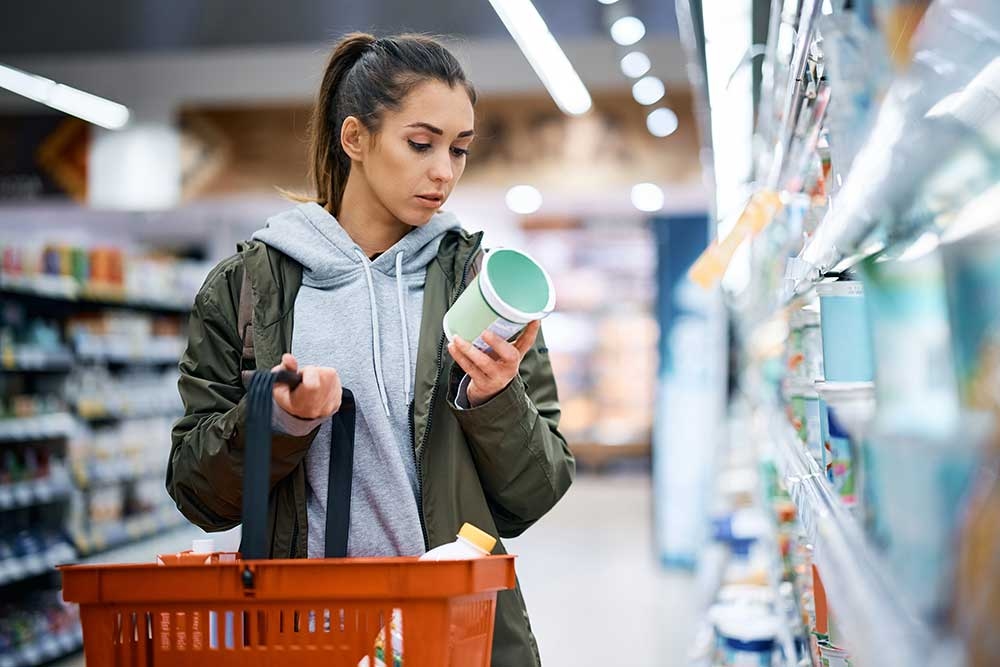
The Importance of Reading Food Labels
Food labels aren't just small print. They're your guide to good health. They help you understand what you're actually eating. Plus, they help you keep track of calories, sugars, protein, and other essential nutrients.
Paying attention to labels is no longer optional. Lifestyle-related conditions, such as obesity, diabetes, and hypertension, are increasing dramatically every year. Being informed about the contents of packaged foods can contribute to better eating habits. That's why reading food labels is essential. It only takes a little attention at the supermarket. This simple habit can prevent major health problems in the long run.
Focus on Portion Size
Nutritionists always focus on serving size. Everything else on the label depends on it. Many products are misleading by indicating a small serving. This doesn't reflect the actual amount people consume. For example, a small bottle of soda might look like one serving. However, the label might say it contains two or even three servings. This means the entire bottle doubles or triples the calories. Plus, it will increase your sugar and sodium intake. Always multiply the values by the number of servings you actually consume.
Understanding portion sizes is the foundation of accurate nutritional assessment. When you know exactly how much you're eating, you can better manage your intake of calories, sugar, and other nutrients.
Check the Calories
Calories are the next most important element to check. However, they don't tell the whole story. It's crucial to focus on the source of the calories, not just the number listed on the label. For example, two foods with the same number of calories can have very different nutritional values. A 200-calorie handful of almonds offers healthy fats, protein, and fiber, while a 200-calorie bag of potato chips is primarily composed of refined carbohydrates and unhealthy fats.
Nutritionists place a lot of emphasis on nutrient density, which essentially refers to the amount of beneficial nutrients you get per calorie consumed. So don't just focus on the calorie count. Also, pay attention to what else comes with the product.
London Escorts professionals often emphasize that being mindful of calorie sources helps maintain energy levels and overall vitality.

Pay Attention to Macronutrients
After calories, pay attention to macronutrients. Imagine comparing two bars. One has 10 grams of protein and 5 grams of fiber, while the other has 20 grams of sugar. The first one gives you energy and is a healthier option. However, the second one just spikes your blood sugar. These are the types of macronutrients:
Protein
Protein is important for muscle repair, energy, and satiety. Foods rich in protein keep you fuller for longer and support muscle health. Look for sources like lean meats, legumes, nuts, and dairy.
Carbohydrates
Carbohydrates are excellent for digestion and blood sugar control. You should avoid carbohydrates composed mainly of added sugars and refined flours. Instead, choose whole grains, fruits, and vegetables that provide fiber and essential nutrients.
Fats
Not all fats are created equal. Unsaturated fats and omega-3 fatty acids are good for the heart. Choosing the right fats helps keep the body active and the mind sharp. Trans fats and excessive saturated fats are harmful. Check labels for partially hydrogenated oils, which indicate trans fats.
The Hidden Dangers: Sugar and Sodium
Excess sugar and salt are two of the biggest problems in packaged foods.
Sugar
Don't be fooled by the "no sugar" label. It may still contain sugar or artificial sweeteners. Added sugars go by many names. For example, cane juice, maltose, corn syrup, honey, or agave. The American Heart Association recommends limiting added sugars to no more than 6 teaspoons (25 grams) per day for women and 9 teaspoons (36 grams) for men.
Sodium
High sodium intake leads to high blood pressure and heart disease. Excessive sodium is found mainly in frozen meals, soups, and packaged snacks. Remember that 5% or less of the Daily Value (DV) for sodium is low, while 20% or more is high. Aim for products with lower sodium content whenever possible.
Decoding the Ingredient List
The ingredient list tells you exactly what's in your food. Ingredients are listed in descending order by weight. This means the first few ingredients make up the bulk of the product.
Look for Whole Foods
Ingredients like whole grains, fruits, vegetables, and recognizable proteins should be at the top of the list. If the list is long and filled with unpronounceable chemicals, it's likely highly processed.
Watch Out for Additives
Preservatives, artificial colors, and flavors are often added to extend shelf life or enhance appearance. While not all additives are harmful, it's best to choose products with shorter, more natural ingredient lists.
Be Aware of Hidden Sugars
As mentioned earlier, sugar goes by many names. Look for terms like high-fructose corn syrup, dextrose, maltose, and fruit juice concentrate. These are all forms of added sugar.
Sheffield Escorts professionals often note that being label-savvy empowers individuals to make better dietary choices for long-term wellness.

Understanding Nutrient Claims
Front-of-package claims can be confusing. Here's what some common terms actually mean:
Low Fat: Contains 3 grams or less of fat per serving
Reduced Fat: Has at least 25% less fat than the regular product
Light: Contains one-third fewer calories or 50% less fat than the regular product
Sugar-Free: Contains less than 0.5 grams of sugar per serving
High Fiber: Contains 5 grams or more of fiber per serving
Remember, these claims don't tell the whole story. Always check the nutrition facts panel to verify.
Practical Tips for Smart Shopping
Compare Products
Don't just grab the first item you see. Compare similar products to find the one with better nutritional values. Look for lower sodium, less added sugar, and more fiber.
Buy Fresh When Possible
Fresh fruits, vegetables, and lean proteins have no labels—and that's a good thing. They're naturally nutrient-dense and free from added sugars, sodium, and preservatives.
Plan Your Meals
Planning your meals in advance helps you make healthier choices. You'll be less likely to reach for convenient, processed options when you have a plan.
Keep It Simple
Choose products with simple, recognizable ingredients. If you can't pronounce it or don't know what it is, consider putting it back on the shelf.
Final Reflections
Don't be confused when reading food labels. They're not designed to confuse you. Their purpose is to guide you. Pay attention to the key elements. Focus on serving sizes, calories, macronutrients, and the ingredient list. This will help you make choices that benefit your health.
Take a moment each time you're at the supermarket. Turn the package over and read the label carefully. It will help you make smart food choices. Over time, it will improve your overall health. By becoming a savvy label reader, you take control of your nutrition and invest in a healthier, more vibrant future.
Links to other resources:-
https://news.activedirectoryus.com/for-spicing-up-relationship-bedroom-adventures-are-necessary/
https://evere.co/travel/tasting-local-flavors-change-how-you-travel