In the fast-evolving world of Building Information Modeling, BIM Associates recognizes that project success depends on seamless coordination across disciplines. Autodesk Navisworks Manage stands out as a powerful tool that enables BIM professionals to aggregate models, detect conflicts early, and visualize construction sequences with precision. This practical guide walks through core workflows that help teams reduce rework, improve collaboration, and deliver projects more efficiently.
Understanding Model Aggregation and Federated Model Review Workflows
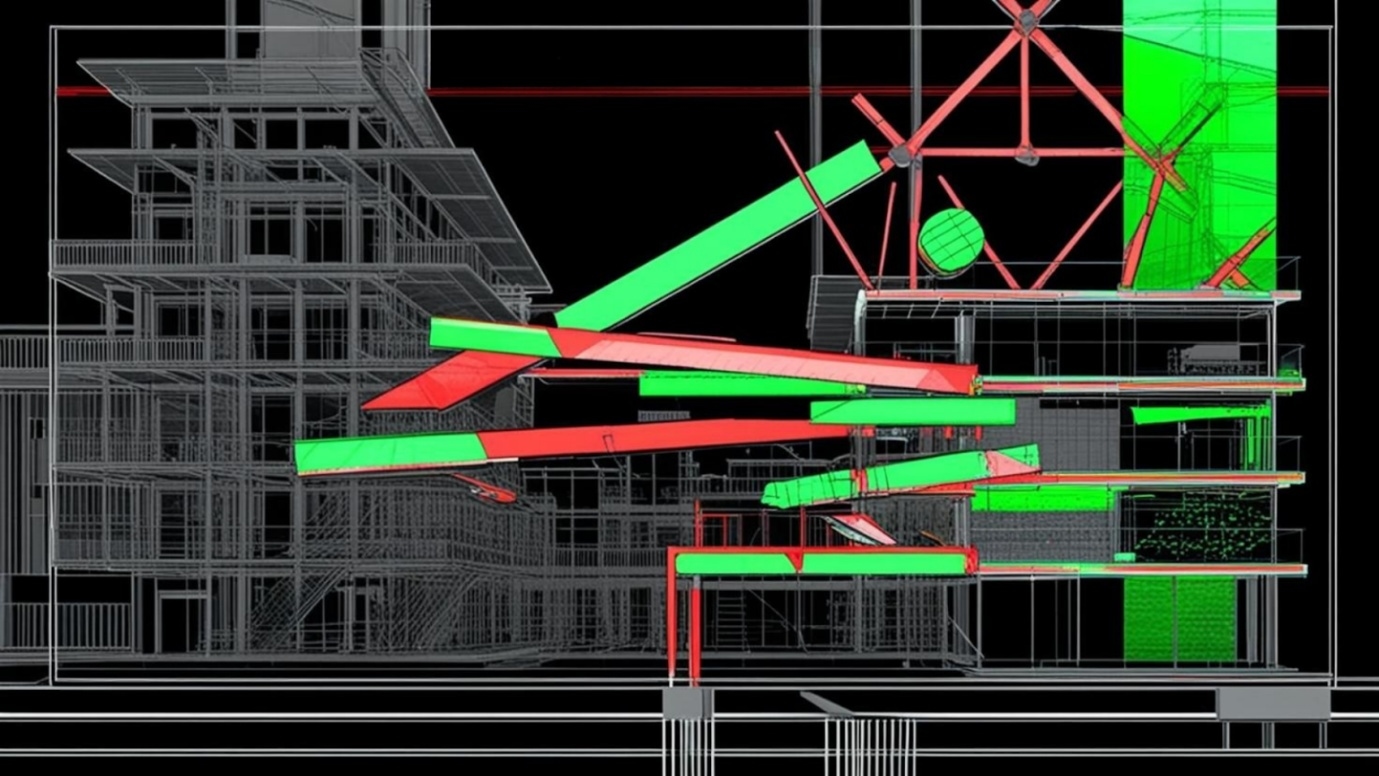
One of the strongest capabilities lies in bringing multiple design files into a single coordinated environment. BIM professionals routinely combine architectural, structural, mechanical, electrical, and plumbing models from different authoring tools. By creating a federated model, teams gain a holistic view of the entire project. This approach supports early identification of spatial issues and allows stakeholders to review the design in context rather than in isolated silos. Regular model updates keep the federated view current, ensuring that coordination meetings remain productive and focused on real project conditions.
Effective Clash Detection Strategies for Multidisciplinary BIM Teams
Clash detection remains a cornerstone of successful BIM coordination. After aggregating models, professionals run comprehensive clash tests that flag hard clashes, soft clashes, and clearance violations. Grouping results by discipline or system helps prioritize critical issues first. Teams can then assign responsibility, track resolution status, and generate clear reports for project managers and contractors. Consistent use of search sets and selection sets speeds up repeated checks as the design evolves. When applied systematically, these strategies significantly reduce costly on-site conflicts and support smoother construction sequencing.
Implementing 4D Construction Simulation and Sequencing Techniques
Linking the coordinated model to a project schedule transforms static geometry into a dynamic construction simulation. Time-based visualization allows teams to test alternative sequencing options, identify potential bottlenecks, and communicate the planned build process to clients and field teams. By attaching tasks to model elements, professionals can simulate site logistics, temporary works, and equipment movement. This visual planning layer improves understanding among non-technical stakeholders and helps refine the schedule before work begins on site. Regular updates to the 4D model keep the simulation aligned with actual progress.
Best Practices for Quantity Takeoff and Project Data Extraction
Beyond coordination and simulation, the platform supports accurate quantity extraction from the aggregated model. BIM professionals can generate material takeoffs, area calculations, and object counts that feed estimating and procurement processes. Using standardized object properties and custom quantification workbooks improves consistency across projects. Exporting data in formats compatible with common estimating tools further streamlines the handoff between design and commercial teams. Maintaining clean model data from the outset ensures that extracted quantities remain reliable throughout the project lifecycle.
Streamlining Collaboration and Stakeholder Review Processes
Effective use of the software also depends on clear communication workflows. Published NWD or NWF files allow wider project teams to review models without needing the full authoring licenses. Markup tools, viewpoints, and saved animations capture decisions and action items during coordination meetings. Establishing a consistent naming convention for viewpoints and a shared issue-tracking process keeps everyone aligned. When combined with regular model federation cycles, these practices create a transparent coordination environment that supports faster decision-making.
Autodesk Navisworks Manage continues to serve as a central hub for model coordination, clash resolution, 4D planning, and data extraction in modern BIM workflows. By focusing on disciplined model aggregation, structured clash detection, time-based simulation, and reliable quantity workflows, BIM professionals can deliver greater value to their projects and reduce risk across the construction process. Applying these practical approaches consistently helps teams move from reactive problem-solving to proactive project delivery.