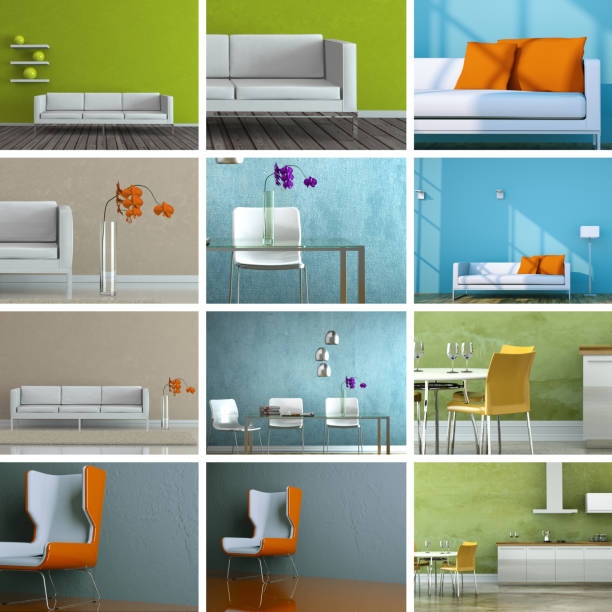
Choosing the right color palette is one of the most important decisions when designing or renovating a home. Colors influence mood, enhance architectural features, and create visual harmony throughout your living space. Whether you're decorating a new house or refreshing an existing interior, selecting the best color combinations for modern homes can transform ordinary rooms into elegant, welcoming environments.
Modern interior design emphasizes simplicity, functionality, and timeless appeal. While furniture and décor play an essential role, the right combination of wall colors, accent shades, and complementary finishes creates the foundation for a cohesive design. This guide explores the most attractive modern color combinations, explains how to choose the right palette for different rooms, and shares practical tips to help you create a balanced, sophisticated home.
Why Color Combinations Matter in Modern Interior Design
Color affects more than just appearance—it shapes how a space feels and functions. Light colors can make compact rooms appear larger, while darker tones create warmth and intimacy. Carefully selected combinations establish visual flow between rooms, making the entire home feel connected.
Modern homes often feature open floor plans where living, dining, and kitchen spaces blend together. A consistent color palette helps maintain continuity without making the design feel repetitive. Instead of relying on bold contrasts everywhere, successful modern interiors use balanced combinations of neutral foundations with carefully chosen accent colors.
Natural lighting also influences how colors appear throughout the day. Testing paint samples under different lighting conditions before making a final decision ensures the selected palette looks attractive from morning to evening.
Timeless Neutral Color Combinations
Neutral colors remain the cornerstone of modern home design because they provide flexibility, elegance, and longevity. White paired with warm gray creates a clean yet inviting atmosphere that suits almost every architectural style. Adding natural wood finishes introduces warmth while maintaining a minimalist appearance.
Another timeless combination features beige with soft taupe. This pairing works particularly well in living rooms and bedrooms where comfort and relaxation are priorities. Incorporating black accents through lighting fixtures, picture frames, or furniture adds depth without overwhelming the space.
Homeowners seeking a brighter aesthetic often combine off white walls with light oak flooring and muted gray furnishings. This palette reflects natural light beautifully and creates an airy environment that feels both contemporary and welcoming.
For additional design inspiration, visit home decor ideas thehometrotters to explore more interior decorating guides and practical home styling tips.
Creating Depth with Layered Neutrals
Using several shades within the same neutral family prevents interiors from looking flat or monotonous. Layering cream, ivory, stone gray, and charcoal creates subtle visual interest while preserving a calm atmosphere.
Texture also becomes increasingly important when working with neutral palettes. Linen fabrics, natural wood, woven rugs, and matte finishes add character without introducing unnecessary visual clutter.
Popular Earthy Color Combinations for Contemporary Homes
Nature inspired colors continue to dominate modern interior trends because they create calming environments while remaining timeless. Sage green paired with warm white has become one of the most popular combinations for kitchens, living rooms, and home offices.
Terracotta combined with creamy beige offers warmth and sophistication without feeling overpowering. This palette works exceptionally well in homes that incorporate natural materials such as wood, stone, or rattan furniture.
Olive green alongside soft sand tones creates a balanced, organic appearance that connects indoor spaces with outdoor surroundings. These earthy combinations complement large windows, indoor plants, and abundant natural lighting, making rooms feel fresh and relaxing.
Balancing Warm and Cool Tones
A successful color palette often combines both warm and cool shades to achieve visual balance. For example, warm beige walls paired with cool gray furnishings prevent spaces from appearing overly yellow or sterile. Similarly, deep navy accents against warm white walls create contrast while preserving harmony.
Balancing temperature is especially valuable in open concept homes, where multiple living spaces remain visually connected.
Elegant Bold Color Pairings That Stay Modern
Although neutral palettes dominate modern interiors, bold colors can introduce personality when used thoughtfully. Navy blue combined with crisp white remains one of the most elegant and versatile combinations available. It creates dramatic contrast while maintaining a refined appearance.
Charcoal gray paired with emerald green offers richness and sophistication suitable for dining rooms, offices, or feature walls. Gold or brass accessories further elevate this luxurious palette without making the room feel excessive.
Black and warm wood represent another classic modern pairing. Matte black cabinetry combined with walnut finishes creates a contemporary aesthetic that balances boldness with natural warmth.
When incorporating darker colors, adequate lighting becomes essential. Layering natural daylight with ambient and task lighting prevents dark shades from making spaces feel enclosed.
Accent Walls Without Overwhelming the Room
Accent walls remain popular, but modern design favors subtle implementation. Instead of using extremely vibrant colors, many designers recommend muted blues, forest greens, or warm charcoal tones that complement the surrounding palette.
Keeping adjacent walls lighter maintains balance while allowing the feature wall to become a tasteful focal point rather than a distraction.
Choosing the Right Color Combination for Each Room
Every room serves a different purpose, making color selection an important functional decision as well as an aesthetic one.
Living rooms benefit from versatile palettes such as warm white with gray accents or beige combined with sage green because these combinations create inviting environments suitable for entertaining and everyday relaxation.
Bedrooms typically perform best with calming colors like dusty blue, soft gray, muted green, or warm taupe. These shades promote rest while maintaining the clean appearance associated with modern interiors.
Kitchens often combine white cabinetry with light wood finishes, charcoal islands, or soft green accents to create a fresh yet timeless design. Bathrooms similarly benefit from crisp white paired with stone gray or pale blue, producing a clean and spa like atmosphere.
Home offices have become increasingly important in recent years. Soft green, muted blue, or warm greige backgrounds encourage focus without causing visual fatigue during extended work sessions.
Expert Tips for Selecting the Perfect Home Color Palette
Professional interior designers often recommend starting with the room's largest permanent features, including flooring, countertops, and cabinetry. These elements typically remain unchanged for many years, so wall colors should complement rather than compete with them.
Testing paint samples on multiple walls allows homeowners to observe how natural and artificial lighting affect each color throughout the day. Paint can appear dramatically different under morning sunlight, afternoon brightness, or evening lighting.
Maintaining a consistent palette throughout the home also improves overall visual flow. Individual rooms can have distinct personalities while still sharing common undertones that connect the entire house.
Finally, remember that trends evolve quickly, but timeless color combinations remain attractive for years. Investing in classic palettes allows homeowners to refresh interiors simply by updating furniture, artwork, or decorative accessories instead of repainting entire spaces.
Conclusion
Selecting the best color combinations for modern homes involves balancing style, functionality, and long term appeal. Neutral foundations, earthy tones, and carefully chosen accent colors create interiors that feel welcoming, sophisticated, and adaptable to changing design preferences.
Whether you prefer serene whites with warm wood, calming sage greens, elegant navy blues, or refined charcoal contrasts, the key lies in creating harmony between colors, lighting, and materials. By choosing balanced palettes and considering how each room functions, homeowners can design beautiful living spaces that remain stylish for years while reflecting their personal taste.