
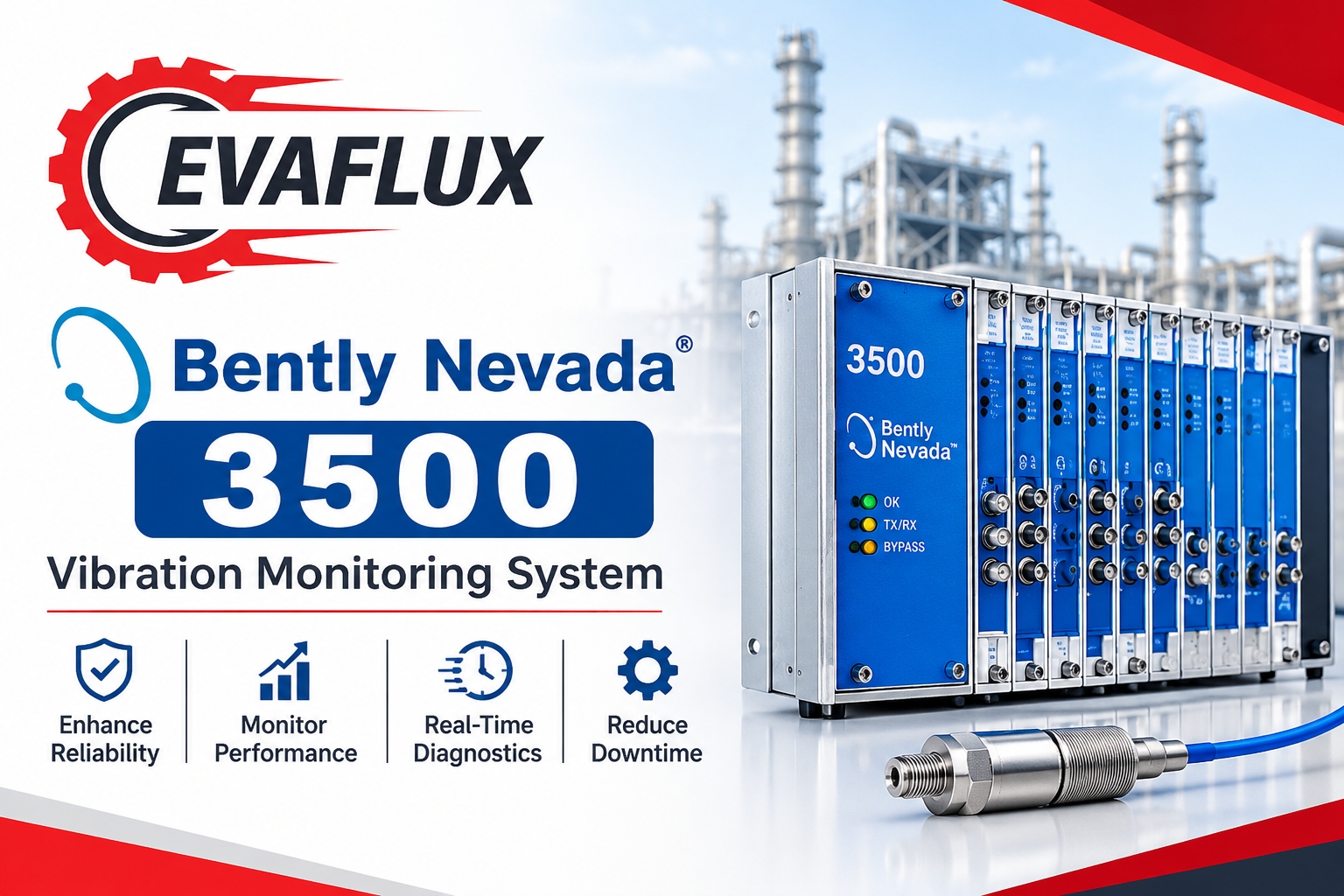
A Buyer's Perspective
Buying machinery protection hardware is different from buying general industrial components. Parts must be compatible with an existing rack, match specific sensors and meet the plant's safety and documentation requirements. A wrong order can delay a project or leave a machine unprotected. This guide helps procurement managers, engineers and technicians approach purchasing the Bently Nevada 3500 with fewer surprises.
Understand the System Before You Order
The 3500 series is modular, which means a complete system is the sum of many parts. Before requesting a quote, gather information about the rack and the machines it protects:
Rack type and size: Standard, panel-mount or other formats.
Installed modules: Full part numbers, including option codes.
Firmware and revision levels: Replacement modules should match or be confirmed compatible.
Transducer types: Proximity probes, accelerometers, speed sensors and temperature elements.
Communication needs: Protocols and integration with DCS or PLC systems.
Having this information ready speeds up quoting and reduces the chance of errors.
Common Module Categories
Procurement teams typically deal with these categories:
Power supplies: Usually purchased in pairs for redundancy.
Rack interface modules: Manage configuration and communication.
Monitor modules: Vibration, position, speed, temperature and reciprocating machinery monitors.
Relay modules: Provide alarm and trip outputs.
Communication gateways: Connect the rack to external systems.
Display modules: Provide local data viewing.
I/O modules: Connect transducers and external signals, with variations for different transducer types.
Part Number Accuracy
Small differences in part numbers or option codes can mean different functionality. A monitor may look identical to another yet support a different transducer type or approval. Always confirm:
The base part number and any suffix or option code.
Whether the I/O module must be paired with a specific monitor.
Hazardous area or approval requirements for the site.
Whether firmware needs to match other modules in the rack.
New, Surplus and Refurbished Options
Availability and budget often drive the choice between condition types:
New: Maximum confidence and full documentation, usually at the highest price.
New surplus: Unused hardware from excess inventory, often a good balance of price and availability.
Refurbished or tested: A cost-effective choice for older revisions, provided testing and warranty terms are clear.
For critical protection functions, ask what testing has been performed and what warranty applies.
Supplier Evaluation Checklist
A strong supplier reduces risk. Consider asking:
Can you provide clear photos and documentation of the item?
How is the condition verified and tested?
What warranty or return terms apply?
Can you help confirm compatibility with my rack?
What are the lead times, and is stock available now?
How is packaging handled to protect sensitive electronics?
A knowledgeable supplier will ask you questions in return, which is a good sign that they understand the product.
Lifecycle and Obsolescence Planning
Industrial plants operate for decades, but individual products move through lifecycle stages. Plan ahead instead of waiting for a failure:
Maintain a critical spares list: Identify modules whose failure would stop protection or production.
Track revisions: Know which firmware and hardware revisions are in service.
Plan upgrades: Schedule modernization during planned outages.
Document everything: Keep configuration backups, test records and part lists in one place.
The Bently Nevada 3500 has a long service history, which means plenty of installed units and a mature ecosystem of support knowledge. That makes lifecycle planning easier than with many proprietary alternatives.
Total Cost of Ownership
The cheapest module is not always the lowest-cost choice. Consider:
Downtime risk: A delayed repair can cost far more than the part.
Compatibility: A wrong part wastes freight and time.
Training: A consistent platform reduces technician learning curves.
Spares: Standardization lowers inventory across multiple racks.
Support: Access to documentation and guidance reduces troubleshooting time.
Installation and Commissioning Considerations
After purchase, correct installation protects your investment. Confirm that modules are seated properly, configuration is loaded and verified, and alarm and trip functions are tested before the machine returns to service. Use anti-static handling and store spares in a clean, dry environment to preserve reliability.
Documentation to Request
For audits and project records, collect:
Datasheets and manuals for each module.
Certificates or approvals where applicable.
Test or inspection records for non-new items.
Packing lists with serial numbers and part details.
Conclusion
A smooth purchase of the Bently Nevada 3500 comes down to preparation: know your rack, verify every part number, choose the right condition level and work with a supplier who understands machinery protection. Good lifecycle planning then keeps your spares ready and your machines protected. Browse the Evaflux product category page or contact our team with your part list for fast, accurate assistance.
Frequently Asked Questions
1. What information should I send when requesting a quote?
Full part numbers, option codes, firmware revisions, quantity and any site approval requirements.
2. Are surplus modules reliable?
New surplus items are unused, but you should still confirm documentation, packaging and warranty.
3. Can I mix different revisions in one rack?
Sometimes, but compatibility must be confirmed for the specific modules and firmware involved.
4. How many spares should I hold?
Prioritize critical modules such as power supplies, monitors and relay modules for the machines that matter most to production.
5. What documents should come with an order?
Datasheets, serial numbers, packing details and any test records or certificates applicable to the items.