Learn how chamfer tool angle affects CNC machining accuracy, surface finish, edge quality, and tool performance, with tips for choosing the right angle.
How Chamfer Angle Affects CNC Machining Accuracy and Surface Finish
In precision manufacturing, even a small change in edge geometry can affect the quality of a finished component. A chamfer tool helps create angled edges on workpieces, improving edge quality, assembly fit, and overall appearance. However, selecting the correct chamfer angle is essential for achieving consistent machining results. The angle influences material removal, dimensional accuracy, surface finish, and the performance of the cutting tool. Understanding these factors helps machinists produce reliable components while reducing rework and unnecessary tool wear.
What Is a Chamfer Angle in CNC Machining?
A chamfer angle is the angle formed between a machined beveled edge and the adjacent surface of a workpiece. It replaces a sharp corner with a sloping edge, making components safer to handle and easier to assemble.
Common chamfer angles include 30°, 45°, and 60°, although the appropriate angle depends on the component design, drawing specifications, and machining requirements. A 45-degree chamfer is widely used for general-purpose applications, while other angles are selected when a particular edge profile or assembly requirement is necessary.
A CNC chamfer tool removes material along a controlled cutting path to create the required geometry. The final result depends not only on the angle but also on tool condition, cutting parameters, material properties, and machine rigidity.
How Chamfer Angle Affects CNC Machining Accuracy
Dimensional accuracy is important when manufacturing components that must fit together precisely. The selected chamfer angle influences the width, depth, and geometry of the beveled edge.
1. Controls Chamfer Dimensions
The chamfer angle and cutting depth determine the dimensions of the finished edge. For example, a 45-degree chamfer produces equal axial and radial dimensions under the usual geometric definition. At other angles, these dimensions differ.
If the programmed angle does not match the engineering drawing, the chamfer may become too wide, too narrow, or too deep. This can affect component assembly and reduce dimensional consistency.
Using the correct CNC chamfer tool and verifying tool geometry before machining helps maintain the required specifications.
2. Improves Edge Consistency
Consistent chamfer geometry is important when producing multiple components in a production run. Incorrect tool positioning, machine vibration, tool wear, or inaccurate programming can cause variations in the finished edges.
The correct chamfer angle, combined with proper tool alignment and stable machining conditions, helps produce repeatable results. Regular inspection is particularly useful when working with precision components that require close dimensional control.
3. Supports Proper Component Fit
Chamfers are frequently used to guide fasteners, remove sharp edges, and make assembly easier. The selected angle must match the functional requirements of the component.
For example, a chamfer around a hole may help a fastener enter more easily. However, an excessively large chamfer can remove material from the surrounding surface and interfere with the required contact area. Following the engineering drawing is therefore essential.
How Chamfer Angle Affects Surface Finish
Surface finish describes the texture and quality of a machined surface. Although the chamfer angle plays an important role in edge geometry, it does not determine surface finish by itself. Cutting speed, feed rate, tool sharpness, material hardness, and machine stability also influence the final result.
1. Influences Cutting Conditions
Different chamfer angles change the relationship between the cutting edge and the workpiece. Depending on the tool design and machining setup, this can affect cutting forces, chip formation, and heat generation.
If the cutting conditions are unsuitable, the machined edge may develop roughness, burrs, or visible tool marks. Choosing an appropriate chamfer angle and optimizing the machining parameters helps achieve a cleaner finish.
2. Helps Reduce Burr Formation
Burrs can form when material deforms instead of being cleanly removed during cutting. Their formation depends on the workpiece material, edge geometry, cutting direction, tool sharpness, and machining parameters.
A suitable chamfering operation can remove sharp edges and reduce unwanted material projections. However, changing the angle alone will not eliminate burrs in every application.
A sharp chamfering tool, suitable feed rate, and stable cutting conditions are important for producing clean edges.
3. Affects Edge Appearance
A correctly machined chamfer creates a uniform transition between adjacent surfaces. An incorrect angle or inconsistent tool movement can produce uneven bevels, visible marks, or irregular edge widths.
For applications involving visible components or close-fitting parts, the chamfer should be inspected for both dimensional accuracy and surface quality.
Choosing the Right Chamfer Tool for Different Angles
Selecting a suitable cutting tool is essential for achieving the specified edge geometry. The choice depends on the workpiece material, chamfer dimensions, machine capability, and production volume.
CNC Chamfer Tool
A CNC chamfer tool is suitable for programmed machining operations where consistent angles and repeatable edge profiles are required. Correct tool selection and toolpath programming help maintain dimensional accuracy across multiple components.
Carbide Chamfer Tool
A carbide chamfer tool offers high hardness and wear resistance, making it suitable for many demanding machining applications. Its performance depends on the carbide grade, cutting-edge design, workpiece material, and operating conditions.
Chamfer Cutter
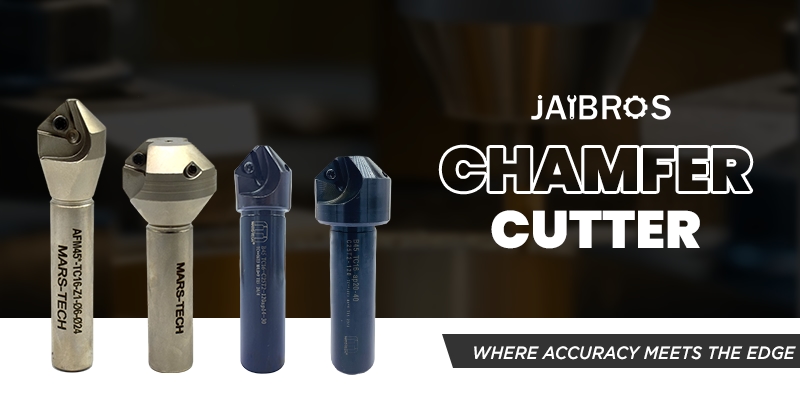
A chamfer cutter is available in different geometries and cutting configurations. Before selecting one, check its included angle, cutting diameter, compatible material range, and the chamfer dimensions required by the component drawing.
The correct tool geometry should match the intended operation rather than being selected solely on the basis of its material or price.
Best Practices for Accurate Chamfering
To achieve consistent machining results, follow these practical guidelines:
Follow the engineering drawing: Confirm the specified angle, width, depth, and dimensional tolerances before starting the operation.
Select suitable cutting parameters: Adjust speed and feed according to the tool manufacturer's recommendations and the workpiece material.
Check tool condition: Inspect the cutting edges for wear, chipping, or damage that could affect the finish.
Maintain machine stability: Secure the workpiece properly and minimize tool overhang where possible.
Use accurate toolpaths: Verify tool offsets, positioning, and programmed geometry before machining production parts.
Inspect the finished edge: Use suitable measuring instruments to verify the chamfer dimensions and check for burrs or surface defects.
These practices help improve consistency, reduce rejected components, and maintain reliable machining quality.
Understanding Chamfer Tool Applications in Manufacturing
Chamfer tool applications extend across several manufacturing industries. In automotive manufacturing, chamfered edges can support component assembly and help remove sharp corners. In aerospace machining, controlled edge geometry is important for components manufactured to strict drawing specifications. General engineering, metal fabrication, and CNC production also use chamfering to prepare holes, shafts, and component edges.
The required chamfer angle varies according to the function of each component. A general-purpose edge break may require a different geometry from a chamfer designed to accommodate a fastener or prepare a component for assembly.
Machinists should therefore evaluate the component's purpose and dimensional requirements before selecting a tool and programming the operation.
Conclusion
The chamfer tool angle is an important factor in CNC machining because it determines edge geometry and influences how the cutting operation interacts with the workpiece. Selecting the correct angle helps maintain dimensional accuracy, achieve the required surface finish, and produce components that meet their design specifications.
By combining suitable tool geometry with appropriate cutting parameters, stable machining conditions, and regular inspection, manufacturers can improve chamfer quality and reduce rework. Understanding these principles makes it easier to select the right chamfering solution for different manufacturing requirements.




