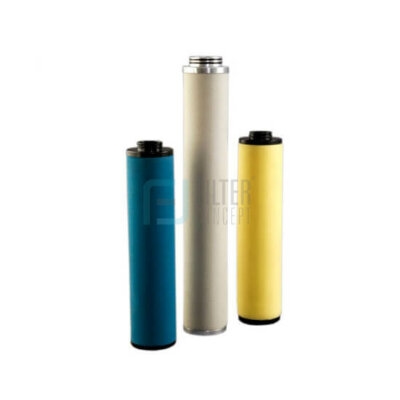
Introduction to Compressed Air Filter Pressure Drop
A compressed air filter plays an important role in keeping industrial compressed air clean, reliable, and suitable for different applications. It removes contaminants such as dust, oil aerosols, water droplets, and other unwanted particles before they reach sensitive equipment.
However, even a high-quality filter can create resistance to airflow. This resistance is known as pressure drop. If the pressure drop becomes too high, your system may consume more energy, reduce equipment performance, and increase operating costs. So, what causes this problem, and how can you prevent it? Let's explore the answers.
What Is Pressure Drop in a Compressed Air Filter?
Pressure drop refers to the difference between the air pressure entering a filter and the pressure leaving it. As compressed air passes through the filter element, it encounters resistance that reduces its pressure.
For example, if the inlet pressure is 8 bar and the outlet pressure is 7.7 bar, the pressure drop is 0.3 bar.
A small pressure drop is normal. However, an unusually high pressure drop may indicate a dirty filter element, an incorrectly sized filter, or excessive airflow demand. Monitoring this difference helps you identify problems before they affect your production process.
Common Causes of Compressed Air Filter Pressure Drop
Several factors can increase pressure drop in an industrial compressed air system. Understanding them makes troubleshooting easier.
1. Clogged or Dirty Filter Elements
Over time, dust, oil, and solid particles accumulate inside the filter element. These contaminants restrict airflow, forcing the compressor to work harder to maintain the required pressure.
Think of a dirty air filter like a blocked straw. The more obstruction you have, the harder it becomes to move air through it.
Solution: Inspect filter elements regularly and replace them according to the manufacturer's recommendations or differential-pressure readings.
2. Incorrect Filter Sizing
A filter that is too small for your system's airflow requirements can create excessive resistance. Even a clean filter may experience a high pressure drop when it handles more air than its rated capacity.
Solution: Select a compressed air filter based on the required flow rate, operating pressure, air quality, and manufacturer's pressure-drop specifications.
3. Excessive Airflow Demand
When production equipment requires more compressed air than the filtration system can comfortably handle, air velocity through the filter increases. This can result in a higher pressure drop.
Solution: Review peak airflow demand and select filters that can handle actual operating conditions, including periods of maximum consumption.
4. Moisture, Oil, and Particle Buildup
Water, oil aerosols, and contaminants can accumulate within the filtration system, especially when upstream drying and separation equipment is not working effectively. This buildup can restrict airflow and reduce filtration efficiency.
Solution: Maintain condensate drains, inspect upstream separators, and ensure the air dryer and filtration stages are suitable for your application.
Effects of High Pressure Drop on Compressed Air Systems
Increased Energy Consumption
A high pressure drop can force operators to increase compressor discharge pressure to maintain adequate pressure at the point of use. This often increases energy consumption and operating expenses.
Over time, even a seemingly small pressure loss can become costly in a system that operates continuously.
Reduced Equipment Performance
Insufficient pressure at pneumatic tools, automated machines, and production equipment can affect operating speed, consistency, and reliability. In applications requiring clean, dry air, poor filtration maintenance can also compromise air quality.
That is why pressure-drop monitoring should be part of routine compressed air system maintenance.
How to Reduce Compressed Air Filter Pressure Drop
1. Perform Regular Filter Maintenance
Inspect filter housings, check differential-pressure indicators, and replace filter elements when required. Avoid waiting until equipment performance noticeably declines.
2. Choose the Right Compressed Air Filter
Select a filter designed for your system's flow rate, operating pressure, and required air purity. Different applications may need particulate, coalescing, or activated-carbon filtration.
Check Flow Rate and Operating Pressure
Always compare the filter's rated capacity with your actual operating conditions. Follow manufacturer correction factors where applicable, because rated flow and pressure-drop values depend on specific test conditions.
3. Monitor Differential Pressure
Use a differential-pressure gauge or suitable monitoring device to track the pressure difference across the filter. Record readings during normal operation and compare them with the manufacturer's recommended replacement limits.
A sudden increase can indicate blockage, while a consistently high reading may point to under sizing or excessive airflow demand.
Conclusion
Compressed air filter pressure drop is a normal part of filtration, but excessive pressure loss can increase energy costs and reduce equipment performance. The best way to control it is to maintain clean filter elements, choose the correct filter size, manage moisture, and monitor differential pressure regularly. By taking these practical steps, you can improve compressed air system efficiency, protect downstream equipment, and support reliable industrial operations.