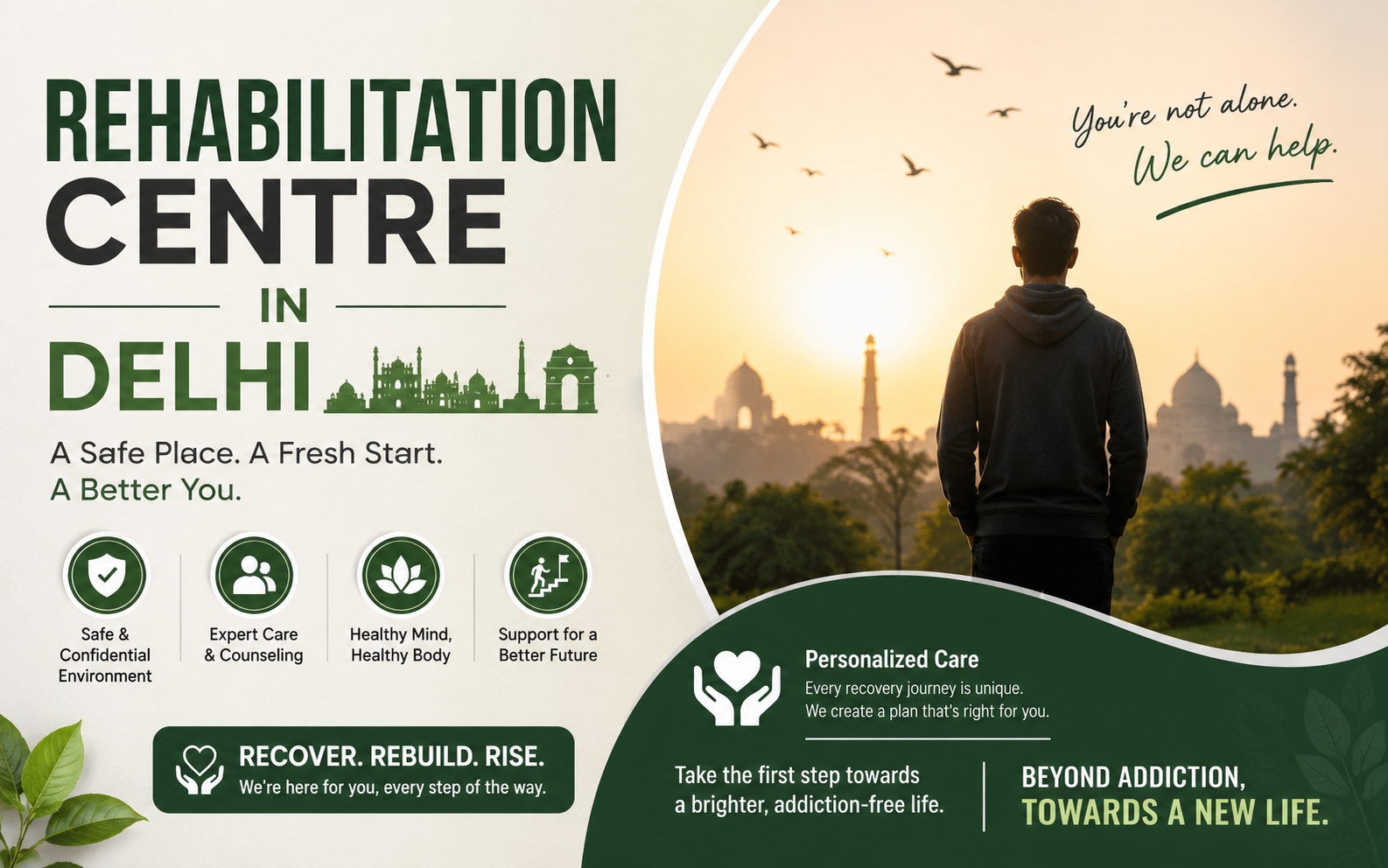
When people decide to break free from addiction, one question often comes up first: Should detox happen before rehabilitation, or can both happen together?
It's an important question because detox and rehabilitation are not the same thing. Many people believe that once the body is free from alcohol or drugs, recovery is complete. Unfortunately, addiction doesn't work that way. Detox addresses the physical effects of substance use, while rehabilitation helps people understand and change the habits, emotions, and behaviours that fuel addiction.
Think of it this way: detox clears the road, but rehabilitation teaches you how to drive safely on it.
Understanding how these two stages work together can help individuals and families choose the right path toward lasting recovery.
What Is Detox?
Detox, or detoxification, is the process of allowing the body to remove alcohol, drugs, or other addictive substances. During this stage, the body adjusts to functioning without the substance it has become dependent on.
Some people experience only mild discomfort, while others may develop more serious withdrawal symptoms depending on the substance, the duration of use, and their overall health.
For substances such as alcohol, opioids, and certain prescription medications, withdrawal can sometimes become medically complex. In these situations, professional supervision improves both safety and comfort throughout the process.
Detox is an essential first step, but it does not treat addiction itself.
What Is Rehabilitation?
Rehabilitation focuses on helping people stay substance-free after detox. Instead of concentrating only on physical recovery, rehabilitation addresses the emotional, psychological, and behavioural aspects of addiction.
A structured rehabilitation centre provides counselling, therapy, group sessions, family involvement, and practical strategies that help individuals develop healthier coping skills.
Recovery becomes much more sustainable when people learn how to handle stress, relationships, emotions, and daily challenges without returning to substance use.
Why Detox Usually Comes First
In most situations, detox happens before rehabilitation because people often need to become physically stable before they can fully participate in therapy.
Imagine trying to study for an important exam while running a high fever. Your body simply isn't ready to focus. The same principle applies during addiction recovery.
Withdrawal symptoms can affect concentration, sleep, mood, and emotional stability. Completing detox first allows individuals to enter rehabilitation with a clearer mind and better physical health.
For this reason, many professionals recommend beginning treatment at a Nasha Mukti Kendra in Delhi where detox and rehabilitation can be planned as connected stages instead of separate experiences.
What Happens During Detox?
Every detox programme looks different because each person's recovery needs are unique.
During detox, professionals may:
Monitor physical health and withdrawal symptoms.
Provide medical support when necessary.
Help manage discomfort safely.
Encourage hydration, nutrition, and rest.
Prepare individuals for the next stage of treatment.
Detox generally lasts a few days to over a week, depending on the substance involved and the person's condition.
Completing detox successfully creates a stronger foundation for long-term addiction recovery.
Why Rehabilitation Matters After Detox
Many people feel better after detox and believe they no longer need treatment. Unfortunately, this is where many relapses happen.
Detox removes substances from the body, but it does not erase habits, emotional triggers, or unhealthy coping patterns.
That's where de-addiction treatment becomes essential.
During rehabilitation, individuals learn to:
Identify personal triggers.
Develop healthy coping strategies.
Improve communication skills.
Rebuild confidence.
Strengthen relationships.
Create realistic relapse prevention plans.
Recovery is much more than simply saying no to alcohol or drugs. It involves building a lifestyle that supports long-term health.
Can Someone Skip Detox?
It depends on the individual and the substance involved.
Some people with mild substance use problems may not require a medically supervised detox. Others may need immediate medical attention before rehabilitation begins.
Attempting to quit certain substances suddenly without professional advice can increase health risks, especially with alcohol or sedative dependence.
A qualified assessment helps determine the safest treatment plan rather than relying on guesswork or internet advice.
After all, searching symptoms online often ends with someone believing they have three rare diseases and a vitamin deficiency.
How Detox and Rehabilitation Work Together
Instead of viewing detox and rehabilitation as separate treatments, it's better to see them as two parts of the same recovery journey.
Detox focuses on physical stability.
Rehabilitation focuses on lasting behavioural change.
Together, they support complete substance abuse treatment by helping individuals recover physically, emotionally, and socially.
Many modern treatment programmes coordinate both stages to create a smoother transition from withdrawal into therapy and long-term recovery planning.
Benefits of Choosing a Complete Recovery Programme
When detox and rehabilitation happen under one treatment plan, individuals often receive more consistent care.
Some advantages include:
Better Continuity
Professionals already understand the individual's medical history and recovery goals.
Stronger Emotional Support
People continue working with experienced counsellors instead of starting over after detox.
Individualised Care
Treatment plans can adapt as recovery progresses rather than following a one-size-fits-all approach.
Many families choose a Nasha Mukti Kendra in Delhi because it provides structured care from the beginning of detox through rehabilitation and ongoing relapse prevention planning.
Recovery Doesn't End After Rehabilitation
Completing rehabilitation is a major achievement, but recovery continues long after treatment ends.
Many individuals benefit from:
Regular counselling.
Family support.
Healthy daily routines.
Support group participation.
Continued drug addiction treatment follow-up when needed.
Lifestyle changes that reduce relapse risk.
Long-term alcohol addiction recovery depends on consistency rather than perfection. One positive decision repeated every day creates meaningful progress over time.
Choosing the Right Time to Seek Help
Many people wait until addiction causes major problems before asking for help. In reality, earlier treatment often makes recovery easier.
If substance use has started affecting health, relationships, work, finances, or emotional wellbeing, speaking with professionals can provide valuable guidance before the situation becomes more difficult.
A Nasha Mukti Kendra in Delhi can assess whether detox, rehabilitation, or both are appropriate based on each person's unique circumstances rather than applying the same treatment to everyone.