A good pair of earrings can become part of a daily routine rather than something saved for special occasions. Diamonds work particularly well for this because their neutral appearance pairs easily with different colors, fabrics, and jewelry.
Still, choosing diamond earrings involves more than deciding how much sparkle you want. Cut, setting, metal, proportions, and lifestyle all affect how a pair looks and feels. Understanding those details can make the difference between jewelry that stays in a box and earrings worn for years.
Start With the Earring Style
Studs remain a familiar choice because they sit close to the ear and rarely compete with other jewelry. A single round or princess-cut stone creates a clean appearance, while halo designs add more visible sparkle around the center.
Drop earrings create movement and tend to feel more formal. Depending on their length, they can work with evening clothes, wedding attire, or a simple neckline that leaves room for the jewelry.
Hoops offer another option for people who want more visual presence. Diamonds may cover the front section of a hoop or continue around its entire surface. Inside-out designs place stones where they remain visible from several angles.
Diamond Shape Changes the Character
Round brilliant diamonds are popular in earrings because their faceting is designed to return plenty of light. Their balanced shape also works with nearly any setting.
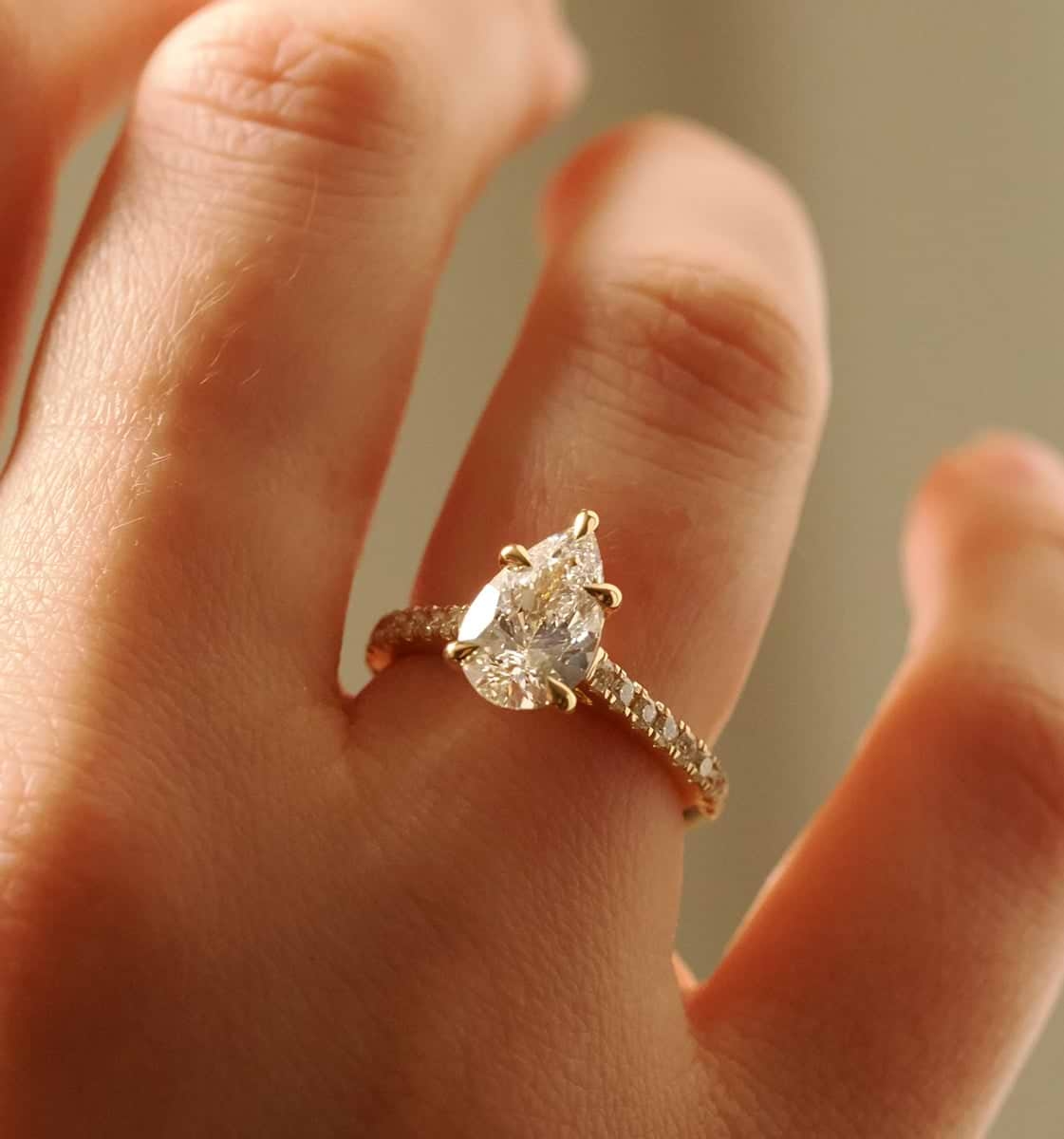
Other cuts create a noticeably different impression. Oval and pear shapes can give the ear a longer visual line. Emerald-cut stones produce broader flashes of light and a more geometric appearance. Princess cuts have sharp lines that suit contemporary settings.
Matching matters, especially with studs. The two stones do not need identical grading reports, but similar dimensions, color, and cutting characteristics help them look balanced when worn together.
Size Is More Than Carat Weight
Carat measures weight, not visible diameter. Two diamonds with the same carat weight can face up differently because their proportions are not identical.
For earrings, shoppers often see a total carat weight covering both stones. A one-carat-total-weight pair, for example, may contain roughly half a carat in each ear if the stones are evenly matched. Checking the individual stone weights prevents confusion.
Consider proportions alongside hairstyle and everyday clothing. Smaller studs may suit someone who wears headphones frequently or prefers understated jewelry. Larger stones have more visual impact but may need secure backs and supportive settings to sit correctly.
Settings Affect Both Appearance and Security
Prong settings expose more of the stone, allowing light to enter from several directions. Four-prong designs can make a round diamond appear slightly more angular, while six prongs create a rounder outline.
Bezel settings surround the stone with a thin metal rim. They offer a smooth profile with fewer exposed edges, which can be useful for active routines. The surrounding metal also changes the visual character of the jewelry.
Martini settings taper toward the ear, while basket settings provide a broader base. Neither design is automatically right for everyone. Ear shape, piercing position, stone size, and personal comfort all influence the better choice.
Think About Diamond Quality Differently for Earrings
The familiar four Cs, cut, color, clarity, and carat, still matter. However, priorities can differ from those used when shopping for a solitaire engagement ring.
Earrings are usually viewed from farther away. Tiny internal characteristics may therefore be difficult to notice without magnification. This can give buyers more flexibility with clarity while directing more of the budget toward cut quality or size.
Color also interacts with the chosen metal. Slight warmth may be less noticeable in yellow or rose gold. White gold and platinum create a cooler backdrop, which some buyers prefer with colorless or near-colorless stones.
Cut deserves careful attention because it affects brightness and light performance. For round stones in particular, strong proportions and symmetry can contribute more to the visible result than paying for a clarity grade that cannot be distinguished by eye.
Natural and Laboratory-Grown Options
Buyers now have more choice in stone origin. Natural diamonds form through geological processes, while lab made diamonds are produced in controlled environments using technology that recreates conditions needed for diamond crystal growth.
Laboratory-grown diamonds have essentially the same crystal structure and core physical properties as natural diamonds. They should not be confused with simulants such as cubic zirconia. Independent grading reports can document characteristics including carat weight, color, clarity, and measurements.
Origin can also influence price and purchasing priorities. Some shoppers value the geological history of natural stones. Others prefer laboratory-grown options because they may allow a larger size or different quality combination within a given jewelry budget.
Choose Metal With Daily Wear in Mind
Metal affects color, maintenance, weight, and the way a diamond appears against the setting. Platinum is dense and naturally white. Gold provides more color choices, including yellow, rose, and white.
White gold is commonly alloyed with other metals and often receives rhodium plating for a bright white finish. That surface can wear gradually, so occasional replating may be part of long-term maintenance.
People with known metal sensitivities should ask about alloy composition rather than relying only on the color or karat label. Earring posts remain in direct contact with the piercing for long periods, making comfort particularly relevant.
A Pair Worth Wearing Regularly
The most useful diamond earrings are not necessarily the largest or highest graded. They are the pair whose proportions, setting, backing, and metal suit the person wearing them.
Compare measurements rather than relying on carat weight alone, and inspect how closely the two stones match. Ask for grading information when available and consider how the earrings will fit into daily routines. Buyers comparing natural stones with lab made diamonds should also consider origin, price, and personal preferences alongside appearance.
A thoughtful choice can result in jewelry that works beyond formal occasions. With a secure setting, comfortable fit, and proportions you genuinely like, a pair can become one of the easiest pieces to wear regularly.