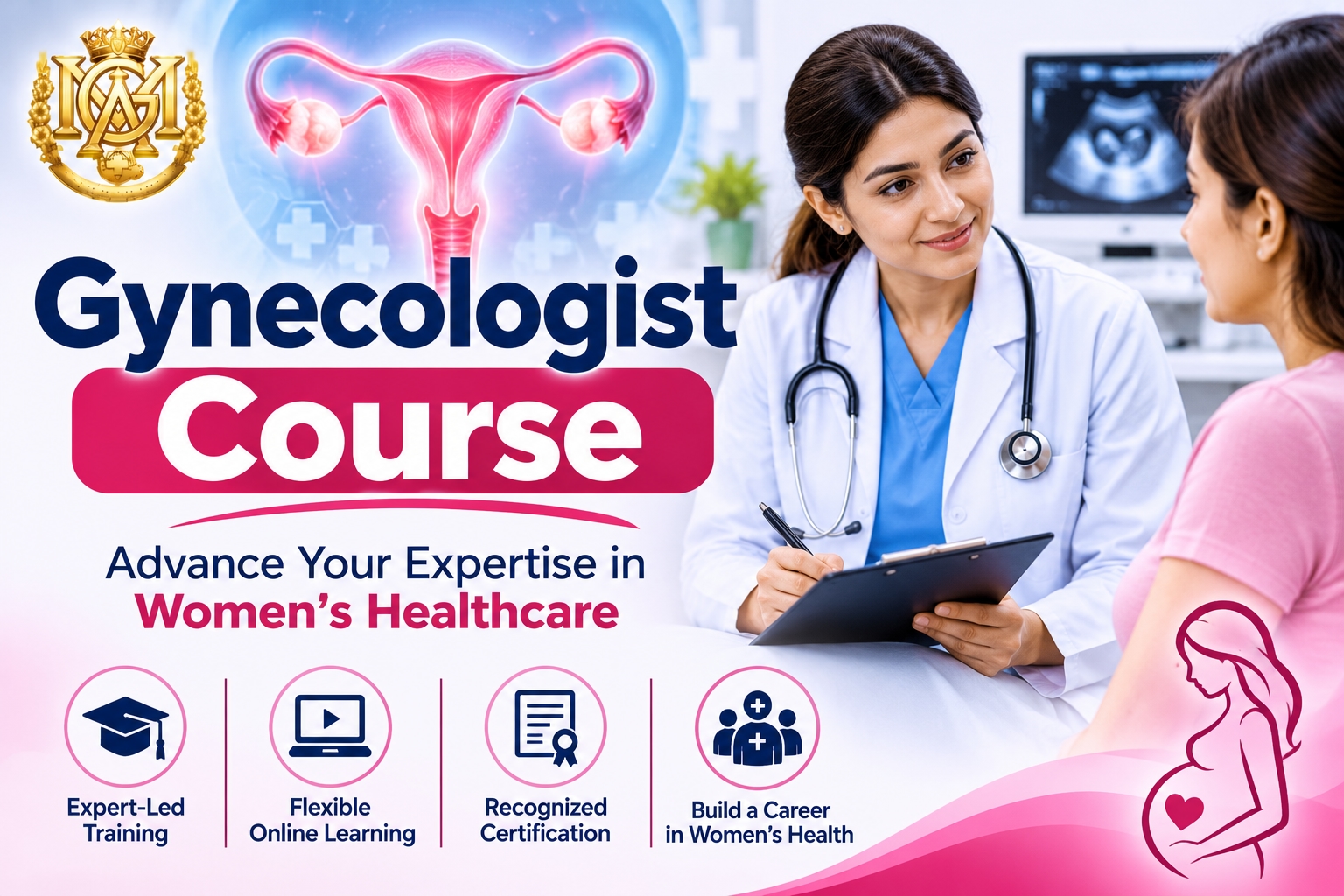
Women's healthcare is constantly evolving, and medical professionals need to stay updated with the latest developments in reproductive health, pregnancy management and gynaecological conditions. From routine examinations to complex clinical situations, providing quality care requires a strong foundation of medical knowledge and continuous learning.
A gynecologist course can help eligible medical professionals expand their understanding of obstetrics and gynaecology while exploring specialised areas of women's healthcare. After all, medical education doesn't end with a degree. It continues throughout a doctor's professional journey, opening doors to new knowledge, confidence and career opportunities.
Why Advanced Gynaecology Education Matters
Gynaecology is a specialised medical field concerned with the health of the female reproductive system. It covers several important areas, including menstrual disorders, fertility concerns, reproductive infections and conditions affecting women's overall well-being.
For doctors interested in developing their knowledge in this field, advanced education can provide a structured opportunity to explore subjects beyond basic medical training.
Here are some reasons why continuous learning matters:
Updated medical knowledge: Helps doctors understand evolving guidelines, research and developments in women's healthcare.
Better clinical understanding: Strengthens knowledge of common and complex gynaecological conditions.
Specialised learning: Provides exposure to different aspects of reproductive and maternal health.
Professional development: Supports doctors who want to explore further learning opportunities within their medical careers.
It's worth remembering that theoretical knowledge and practical experience serve different purposes. Structured online education can strengthen academic understanding, while hands-on clinical training requires appropriate supervised clinical settings.
What Can Doctors Learn Through Advanced Gynaecology Programmes?
A well-structured educational programme may cover multiple subjects related to women's reproductive health. The exact curriculum depends on the institution, course structure and academic objectives.
Some important learning areas include:
1. Reproductive Anatomy and Physiology
Understanding the female reproductive system is essential for studying gynaecological health. Doctors can explore hormonal regulation, reproductive organs, menstrual cycles and physiological changes throughout different stages of life.
2. Menstrual Health and Related Disorders
Menstrual irregularities are among the common concerns encountered in women's healthcare. Studying conditions such as polycystic ovary syndrome (PCOS), endometriosis and abnormal uterine bleeding helps doctors develop a deeper understanding of their causes and clinical presentation.
3. Obstetrics and Pregnancy-Related Knowledge
Obstetrics focuses on pregnancy, childbirth and the postpartum period. Learning about antenatal care, pregnancy-related complications and maternal health can help doctors understand the different stages of pregnancy and their medical considerations.
4. Fertility and Reproductive Health
Fertility is another important area of women's healthcare. Doctors may explore reproductive hormones, infertility-related conditions and the medical factors that influence conception.
Exploring Specialised Learning Opportunities for Doctors
Medical professionals often reach a stage in their careers when they want to explore a particular speciality more deeply. Rather than limiting themselves to general medical knowledge, they may look for structured academic programmes that cover specific clinical subjects.
This is where choosing the right educational programme becomes important.
Before enrolling, doctors should consider:
Whether the curriculum matches their learning objectives.
The academic qualifications required for admission.
Faculty expertise and teaching methodology.
Course duration and learning schedule.
Accreditation and certification details.
Whether the programme is academic or includes supervised practical training.
These factors can make a real difference when selecting an educational opportunity.
How a Gynecologist Course Can Support Professional Development
For doctors interested in women's healthcare, selecting an appropriate gynecologist course is an important step towards structured academic development.
Medical Global Academy offers specialised online medical education programmes designed for qualified doctors who want to expand their subject knowledge while managing their existing professional commitments.
Doctors interested in exploring this speciality can visit the gynecologist course programme page to learn more about the available Obstetrics and Gynaecology learning opportunity.
Online learning offers several advantages:
Flexible Learning: Doctors can access educational resources without necessarily following a traditional classroom schedule.
Structured Curriculum: Organised modules help learners study different subjects systematically.
Continued Education: Medical professionals can explore additional academic knowledge alongside their existing responsibilities.
Specialised Exposure: Focused programmes introduce learners to important topics within a particular medical speciality.
However, online academic programmes should not be confused with clinical residency or hands-on specialist training. Doctors must follow applicable professional and regulatory requirements when providing clinical services.
Career Opportunities in Women's Healthcare
Women's healthcare includes several medical disciplines, creating opportunities for doctors with relevant qualifications and training.
Depending on their existing medical qualifications, recognised credentials and professional experience, doctors may explore different areas, such as:
General gynaecological practice.
Maternal and reproductive healthcare.
Fertility and reproductive medicine.
Women's hormonal health.
Academic teaching and medical education.
Clinical research related to reproductive health.
It's important to understand that completing an online educational programme does not automatically grant specialist registration or independent clinical practice rights. Career progression depends on recognised qualifications, regulatory requirements and the doctor's existing professional background.
What Should Doctors Consider Before Enrolling?
Choosing an educational programme deserves careful thought. With several learning options available, doctors should look beyond promotional claims and examine the actual academic value.
A few important questions can help:
Does the programme cover subjects relevant to your professional interests?
Are the eligibility criteria clearly explained?
Is the course delivered through live sessions, recorded lectures or both?
Does the institution provide transparent information about certification?
Is the programme suitable for your existing qualifications and career goals?
Taking time to evaluate these details can help doctors make a more informed decision.
Conclusion
Women's healthcare is a broad and continuously developing medical field. From reproductive health and menstrual disorders to pregnancy-related conditions and fertility, doctors have plenty of opportunities to expand their academic understanding.
Continuous education plays an important role in keeping medical professionals informed and prepared for changing healthcare requirements. By selecting a relevant programme, reviewing its curriculum and understanding its professional scope, doctors can make meaningful progress in their learning journey.
Ultimately, becoming a better-informed medical professional is not about collecting certificates; it's about developing knowledge that supports responsible and informed healthcare practice.



