Introduction
Mexico has become one of the most important manufacturing hubs for global supply chains, particularly as companies continue to expand nearshoring initiatives across North America. While cost efficiency, geographic proximity, and manufacturing capabilities remain key drivers of sourcing decisions, environmental compliance has become an equally important consideration for foreign manufacturers evaluating suppliers. Regulatory expectations are evolving alongside increased industrial investment, making environmental responsibility an integral part of supplier performance rather than a separate compliance function.
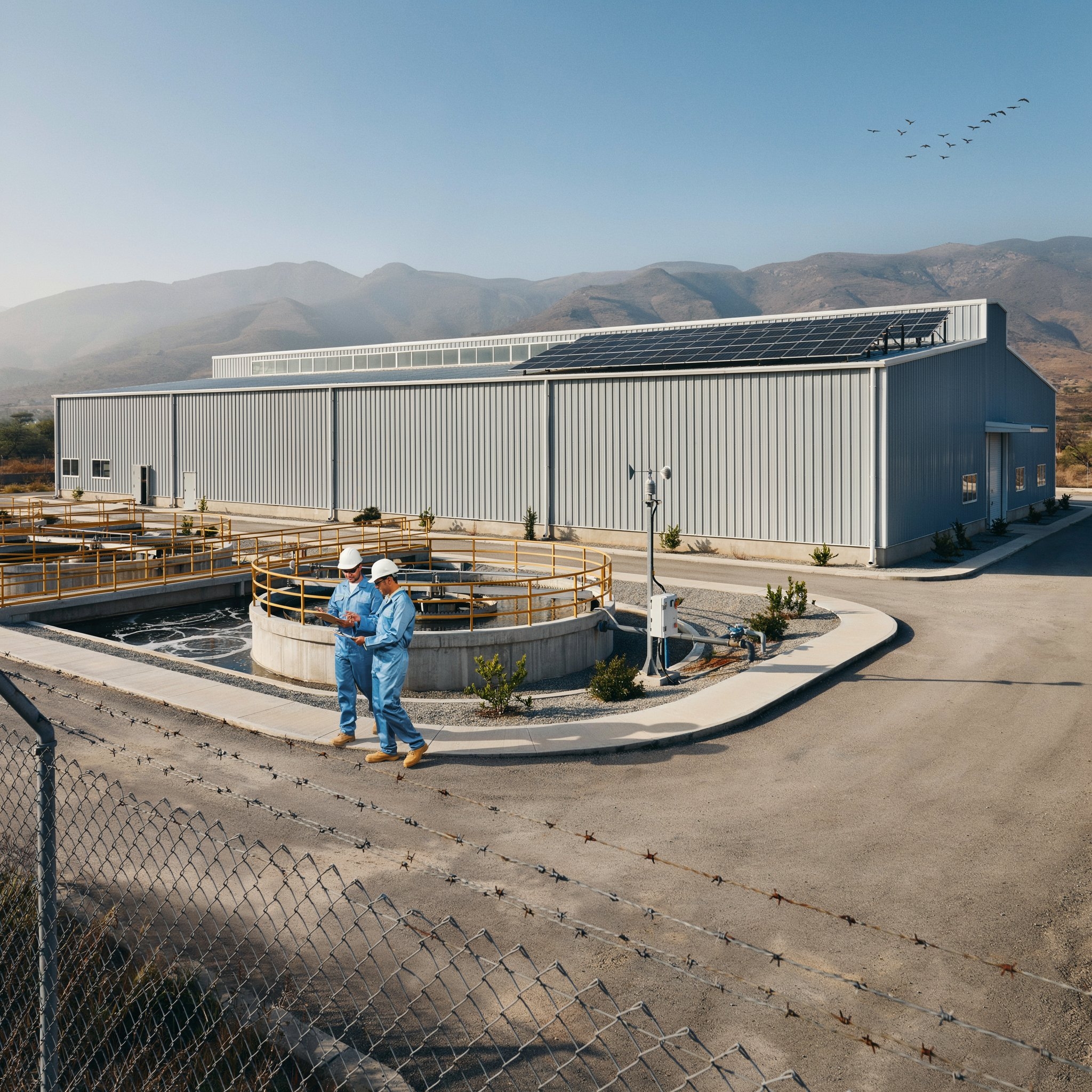
For procurement teams, quality managers, and OEMs, understanding how Mexico's environmental laws influence supplier operations can help reduce business risks and strengthen long-term supply chain resilience. Rather than treating environmental regulations as isolated legal requirements, many organizations now recognize them as indicators of operational maturity, process discipline, and sustainable manufacturing practices. As supplier qualification standards continue to evolve, environmental compliance is becoming closely connected with supplier quality management.
Environmental Regulations Are Becoming a Core Part of Manufacturing Excellence
Mexico's environmental framework is designed to support industrial growth while protecting natural resources and promoting responsible manufacturing. Manufacturing facilities must comply with federal regulations governing emissions, waste management, water usage, hazardous materials, and environmental reporting.
Several government agencies oversee these responsibilities. The Secretariat of Environment and Natural Resources (SEMARNAT) develops environmental policies and establishes many of the regulatory standards affecting industrial operations. The Federal Attorney for Environmental Protection (PROFEPA) conducts inspections and enforces environmental compliance, while the National Water Commission (CONAGUA) regulates water use, wastewater discharge, and related permitting requirements.
Manufacturers may also need to comply with various Official Mexican Standards (Normas Oficiales Mexicanas or NOMs), which define technical requirements for environmental protection across different industries.
Although these regulations primarily address environmental performance, they also influence manufacturing consistency. Facilities with structured environmental management systems often demonstrate stronger operational controls, better documentation practices, and improved process discipline—all characteristics commonly associated with reliable supplier quality.
As global customers increasingly evaluate suppliers through broader environmental, social, and governance (ESG) criteria, environmental compliance has become an important component of overall manufacturing excellence.
The Connection Between Environmental Compliance and Supplier Quality
Supplier quality extends beyond product specifications and inspection results. Modern supplier evaluations increasingly consider how effectively manufacturers manage operational risks, regulatory responsibilities, and continuous improvement initiatives.
Environmental compliance contributes to supplier quality in several practical ways.
Facilities that maintain organized environmental documentation generally demonstrate stronger document control systems, which often support quality management processes as well. Companies that consistently monitor emissions, wastewater, and waste handling typically operate with disciplined procedures that reduce variability across manufacturing operations.
Preventive maintenance programs designed to maintain environmental compliance frequently improve equipment reliability, helping manufacturers maintain consistent production quality. Similarly, employee training related to environmental responsibilities often reinforces broader operational awareness and process adherence.
These relationships do not mean environmental compliance automatically guarantees product quality. However, organizations that invest in comprehensive compliance programs often establish management systems that support both regulatory performance and manufacturing consistency.
For procurement teams, environmental management practices provide additional insight into a supplier's overall operational maturity.
Why Foreign Manufacturers Are Expanding Supplier Evaluation Criteria
The rapid growth of nearshoring has encouraged many foreign manufacturers to strengthen supplier qualification processes before establishing long-term production partnerships in Mexico.
Traditional supplier assessments typically focused on manufacturing capability, quality certifications, production capacity, delivery performance, and pricing. While these factors remain essential, environmental compliance has become another valuable indicator when evaluating supplier reliability.
Companies increasingly review whether suppliers maintain current environmental permits, implement documented compliance procedures, conduct internal environmental audits, and respond effectively to regulatory changes. These evaluations help identify operational risks that could potentially affect production continuity.
International trade relationships also reinforce the importance of responsible manufacturing. Although environmental regulations remain governed by Mexican law, broader frameworks such as USMCA encourage greater attention to environmental governance and sustainable industrial development across North American supply chains.
Environmental due diligence therefore serves multiple objectives. It helps organizations better understand regulatory compliance while also providing confidence that suppliers maintain stable operational practices capable of supporting long-term manufacturing relationships.
Integrating Environmental Compliance Into Supplier Quality Programs
As supplier qualification programs continue to mature, environmental performance is increasingly evaluated alongside quality management systems rather than as a separate review process.
Supplier quality management firms such as AMREPMexico, which has worked with Mexican manufacturers since 1994, recommend incorporating environmental compliance verification and documented sustainability management practices into standard supplier evaluations.
This integrated approach allows procurement teams to develop a more complete understanding of supplier capabilities.
Environmental assessments commonly examine areas such as:
Valid environmental permits and regulatory documentation
Waste management and hazardous material handling procedures
Water management and wastewater controls
Environmental training and employee awareness
Internal compliance monitoring
Corrective action and continuous improvement processes
Rather than functioning as standalone audits, these reviews often complement supplier quality assessments, production audits, and process evaluations.
When environmental compliance is incorporated into broader supplier quality programs, organizations gain greater visibility into operational risks while encouraging suppliers to maintain consistent management systems across multiple business functions.
Building More Resilient Supply Chains Through Proactive Compliance
Environmental compliance is increasingly recognized as an important element of supply chain resilience. Companies that evaluate environmental risks early are often better prepared to avoid disruptions that could affect production schedules or supplier performance.
Foreign manufacturers can strengthen supplier relationships by adopting several practical strategies.
First, environmental due diligence should begin during supplier selection rather than after production starts. Early evaluations help identify compliance gaps before they become operational challenges.
Second, supplier agreements should clearly define environmental expectations alongside quality, delivery, and performance requirements. Clearly documented responsibilities improve accountability throughout the supplier relationship.
Third, periodic supplier audits should include environmental compliance reviews as part of broader operational assessments. Regular evaluations encourage continuous improvement while providing opportunities to verify ongoing compliance.
Finally, organizations should monitor regulatory developments affecting their manufacturing sectors. Environmental requirements naturally evolve as industrial practices, sustainability priorities, and regulatory expectations change over time. Maintaining awareness helps companies adapt their supplier management programs accordingly.
Rather than viewing compliance as a reactive obligation, successful manufacturers increasingly integrate environmental management into long-term operational planning and supplier development initiatives.
Looking Ahead: The Future of Supplier Quality in Mexico
Mexico's manufacturing sector continues to attract international investment, and environmental governance is expected to remain an important consideration for companies building resilient supply chains. As customer expectations evolve and sustainability becomes more closely linked with operational performance, environmental compliance will likely continue influencing supplier qualification processes.
Manufacturers are also adopting digital compliance systems, improved environmental monitoring technologies, and more transparent reporting practices. These developments support greater consistency across supplier networks while helping companies demonstrate responsible manufacturing practices.
For procurement teams and OEMs, supplier quality is no longer defined solely by inspection results or production capability. Environmental management increasingly reflects how effectively suppliers control risks, maintain operational discipline, and support long-term manufacturing reliability.
Organizations that integrate environmental considerations into supplier evaluations are generally better positioned to develop stable partnerships capable of adapting to changing regulatory and business expectations.
Conclusion
Mexico's environmental laws are influencing supplier quality in ways that extend well beyond regulatory compliance. Strong environmental management often supports better operational controls, more disciplined manufacturing processes, and greater supply chain resilience. For foreign manufacturers sourcing from Mexico, understanding these connections can improve supplier selection and reduce long-term operational risk.
As manufacturing continues to evolve, integrating environmental compliance into supplier quality programs will remain an increasingly valuable practice for building responsible and reliable supply chains.