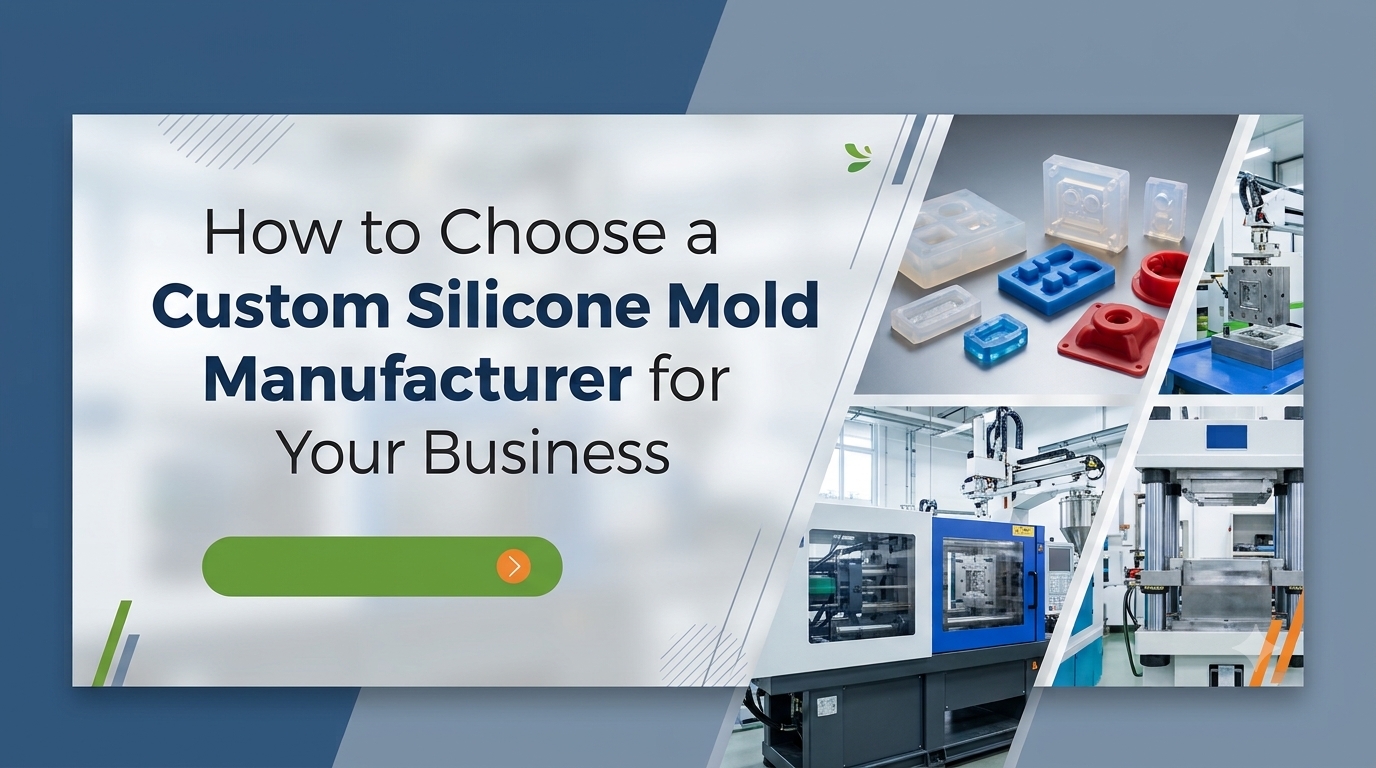
Product developers, food brands, and craft businesses often reach a point where off-the-shelf tooling stops working. A reliable custom silicone mold manufacturer turns a rough concept into a repeatable production tool that delivers consistent shapes, smooth surfaces, and sharp detail. However, the market is crowded, and quality varies widely between suppliers. This guide explains what to look for, how the process works, and which questions separate dependable partners from risky ones, so you can make a confident decision before investing in tooling.
Why Tailor-Made Tooling Matters
Standard molds rarely match the exact geometry, size, or finish a brand needs. Custom silicone molds solve this problem by following your own design, whether it is a candle, a resin piece, a chocolate shape, or an industrial part. Silicone also flexes easily, which makes demolding simple even with deep undercuts. It withstands wide temperature ranges, resists sticking, and lasts through hundreds of cycles. These strengths explain why designers, bakers, jewelers, and engineers increasingly prefer tailor-made tooling over generic shapes from a catalog.
How the Mold Making Process Works
The journey starts when engineers review your drawing, 3D file, or sample, which is the first step of any silicone mold making . They check draft angles, wall thickness, and parting lines to prevent defects later. After approval, a master pattern is created and the mold box is prepared for casting. Clear communication at every step keeps timelines realistic and prevents surprise costs. Skipping even one stage often causes air bubbles, tearing, or inaccurate replicas. The main stages usually include:
Design review
Master pattern creation
Silicone pouring and curing
Demolding and inspection
Sample approval
Choosing the Right Silicone Material
Every silicone mold company should explain material options clearly instead of pushing a single product, because the choice affects durability, safety, and surface finish. Platinum-cure silicone suits food, medical, and skin-safe applications since it produces no by-products. Tin-cure silicone is more economical and works well for resin, concrete, and plaster casting. Hardness is measured on the Shore A scale, where softer grades capture fine detail and firmer grades hold shape for heavy-duty parts. Always request a data sheet and compliance certificates before approving any material.
What to Look for in a Manufacturing Partner
Experience matters more than promises. Reliable custom silicone mold makers can show previous projects, explain their process, and share realistic lead times. They also own proper curing, vacuum, and inspection equipment, which reduces bubbles and surface flaws. Ask how they protect your design files, since confidentiality is essential for new products. A transparent partner answers technical questions quickly and documents every revision. Visiting the facility, even virtually, reveals how organized and disciplined the team really is. Use the following checklist while comparing suppliers:
Proven portfolio
Material certificates
Clear lead times
Sample approval policy
Common Mistakes to Avoid
Custom silicone molds fail most often because of rushed planning rather than poor material. Buyers sometimes skip sample testing, ignore shrinkage allowances, or choose the lowest quote without checking quality. Others submit incomplete drawings, which forces guesswork during design. Each shortcut can lead to warped parts, rejected batches, and delayed launches. Taking time to finalize specifications, request a prototype, and confirm tolerances in writing protects your budget and keeps production on schedule. A small upfront investment in planning usually saves far more than it costs later.
What Affects the Cost of Custom Tooling
Pricing from any silicone mold company depends on several measurable factors rather than a fixed rate. Size and complexity influence the amount of silicone used and the labor needed for finishing. Cavity count changes unit cost, while surface texture and special inserts add extra steps. Material grade and certification requirements also affect the quote. Understanding these drivers helps you compare offers fairly and negotiate sensible terms without sacrificing quality. Ask for an itemized estimate so every cost is visible before you approve production.
Industries That Rely on Custom Molds
Demand for tailored tooling keeps growing across sectors, and experienced custom silicone mold makers support many of them. Food producers use molds for chocolate, candy, and baked shapes that must stay consistent. Candle and soap brands rely on them for detailed patterns. Jewelers and artists cast resin pieces with fine textures, while engineers create prototypes and low-volume parts without expensive metal tooling. This flexibility makes silicone suitable for startups and large manufacturers alike. Each application demands different hardness and finish. Common uses include:
Food and confectionery
Candles and soaps
Resin art and jewelry
Prototyping and small batches
How to Get Started
A trusted silicone mold making service makes getting started easy. Prepare a clear brief with dimensions, material preferences, expected quantities, and target budget. Share drawings or samples, and request a prototype before approving mass production. Compare at least three quotations, and focus on communication quality as much as price. Check customer feedback, delivery history, and after-sales support to confirm reliability. Starting with a small pilot batch, as custom rubber silicone molds often recommends, lets you test fit, finish, and performance, which reduces risk and builds confidence for larger orders.
Conclusion
Selecting the right partner for custom silicone molds comes down to clear communication, proven experience, and transparent pricing. Evaluate materials, request samples, and compare quotations carefully before committing to production. Avoid shortcuts, because poor planning leads to defects, delays, and wasted budget. When you follow the steps in this guide, you can build a dependable supply relationship that supports consistent quality, faster launches, and long-term growth. Take your time, ask detailed questions, and choose a team that values your product as much as you do.
Frequently Asked Questions
Q1. What does a silicone mold making service include?
It covers design review, master pattern creation, silicone casting, curing, demolding, and inspection. Many providers also offer prototyping, material selection, and small-batch production, so you receive a ready-to-use mold that matches your specifications.
Q2. How long does a silicone mold last?
With proper care, a silicone mold can last for hundreds of casting cycles. Lifespan depends on material grade, casting temperature, and cleaning habits. Avoid sharp tools and harsh chemicals to extend durability.
Q3. Can a silicone mold company make food-safe molds?
Yes, when platinum-cure silicone is used, molds can meet food-grade requirements. Always ask for certificates such as FDA or LFGB compliance, and confirm that the supplier follows clean production practices.
Q4. What information should I share to get an accurate quote?
Share your drawings or 3D files, preferred material, hardness, quantity, and finish requirements. A sample or reference image also helps engineers estimate cost and lead time accurately.