Choosing reliable cosmetic contract manufacturers can help beauty and personal care businesses develop products with suitable formulations, quality controls and production support. Discover what to consider when selecting a manufacturing partner for your cosmetic brand.
The beauty and personal care industry offers opportunities for businesses interested in launching skincare, haircare and other cosmetic products. However, developing a product range requires more than selecting a product idea. Businesses must consider formulation, ingredient compatibility, manufacturing processes, testing and packaging.
Working with experienced cosmetic contract manufacturers can help brands access relevant production capabilities without independently managing every stage of manufacturing.
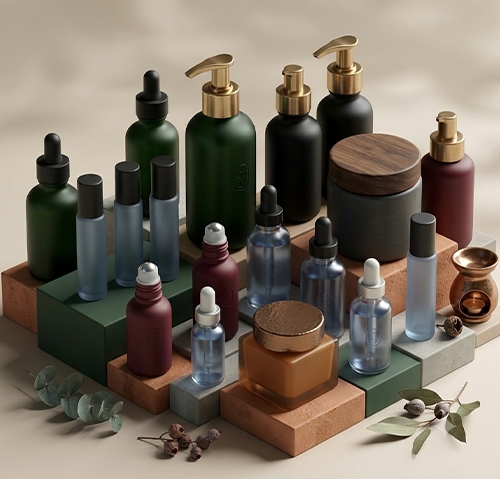
What Do Cosmetic Contract Manufacturers Do?
Cosmetic contract manufacturers produce beauty and personal care products for other businesses according to agreed specifications. Depending on their facilities and services, they may support formulation development, ingredient sourcing, manufacturing, quality checks and packaging.
The scope of work varies, so businesses should confirm exactly which activities are included in the manufacturing agreement.
Common Cosmetic Products Developed Through Contract Manufacturing
Depending on the manufacturer's capabilities, product categories may include:
Face creams and moisturisers
Cleansers and face washes
Serums and gels
Body lotions and personal care products
Herbal and botanical skincare
Hair oils and selected haircare products
Each product requires suitable formulation planning, ingredient evaluation and quality checks.
Benefits of Working with a Contract Manufacturer
Access to Manufacturing Facilities
Brands can work with an established production facility instead of investing in their own infrastructure.
Formulation Expertise
A suitable manufacturer may provide support with ingredient selection, product texture, formulation development and sample refinement.
Production Planning
Businesses can discuss manufacturing quantities, timelines and packaging requirements according to their market plans.
Focus on Brand Development
By outsourcing agreed production activities, businesses can give more attention to branding, sales, distribution and customer service.
Opportunity to Expand Product Categories
A manufacturer with suitable capabilities may help brands explore additional cosmetic and personal care categories.
What to Check Before Selecting a Manufacturer
Product expertise: Confirm experience with your intended cosmetic categories.
Ingredient quality: Ask how raw materials are sourced, evaluated and stored.
Testing procedures: Understand the relevant stability, microbial quality and product safety evaluations.
Manufacturing infrastructure: Check whether the facility and equipment are suitable for the product.
Packaging options: Review packaging formats and their compatibility with the formulation.
Regulatory compliance: Verify relevant licences, product requirements and labelling obligations.
Commercial terms: Discuss minimum order quantities, production timelines, pricing and delivery conditions.
Understanding the Cosmetic Manufacturing Process
The process usually begins with a discussion about the product concept, target audience and preferred formulation. The manufacturer reviews the requirements and discusses the available development and production options.
The project may then move through formulation selection or development, sample preparation, evaluation, ingredient procurement, manufacturing, quality checks and packaging. The final product should meet the agreed specifications and applicable requirements.
Creating Products Customers Can Trust
A successful cosmetic brand needs products that are consistent, suitable for their intended use and accurately described. Businesses should avoid unsupported claims and ensure that product labels and marketing materials comply with applicable cosmetic regulations.
Dharmanis International provides manufacturing-related solutions across personal care and other product categories. Businesses exploring cosmetic production can contact the company to discuss their requirements and confirm the specific services and capabilities available.
Frequently Asked Questions
What are cosmetic contract manufacturers?
They are manufacturers that produce cosmetic products for other brands under agreed specifications and commercial terms.
Can startups work with cosmetic contract manufacturers?
Yes. Startups can explore contract manufacturing, depending on the manufacturer's minimum order quantities and project requirements.
Do contract manufacturers provide custom formulations?
Some offer customised formulation development, while others work with existing formulations. Confirm the available services before proceeding.
What should I check before selecting a cosmetic manufacturer?
Review product expertise, ingredient sourcing, testing, quality procedures, packaging, regulatory compliance and production terms.
Conclusion
Selecting a suitable manufacturing partner is an important part of building a cosmetic business. By evaluating formulation expertise, manufacturing infrastructure, testing procedures and commercial conditions, brands can make more informed decisions. Reliable cosmetic contract manufacturers can help businesses organise production and develop a stronger foundation for their beauty and personal care product ranges.