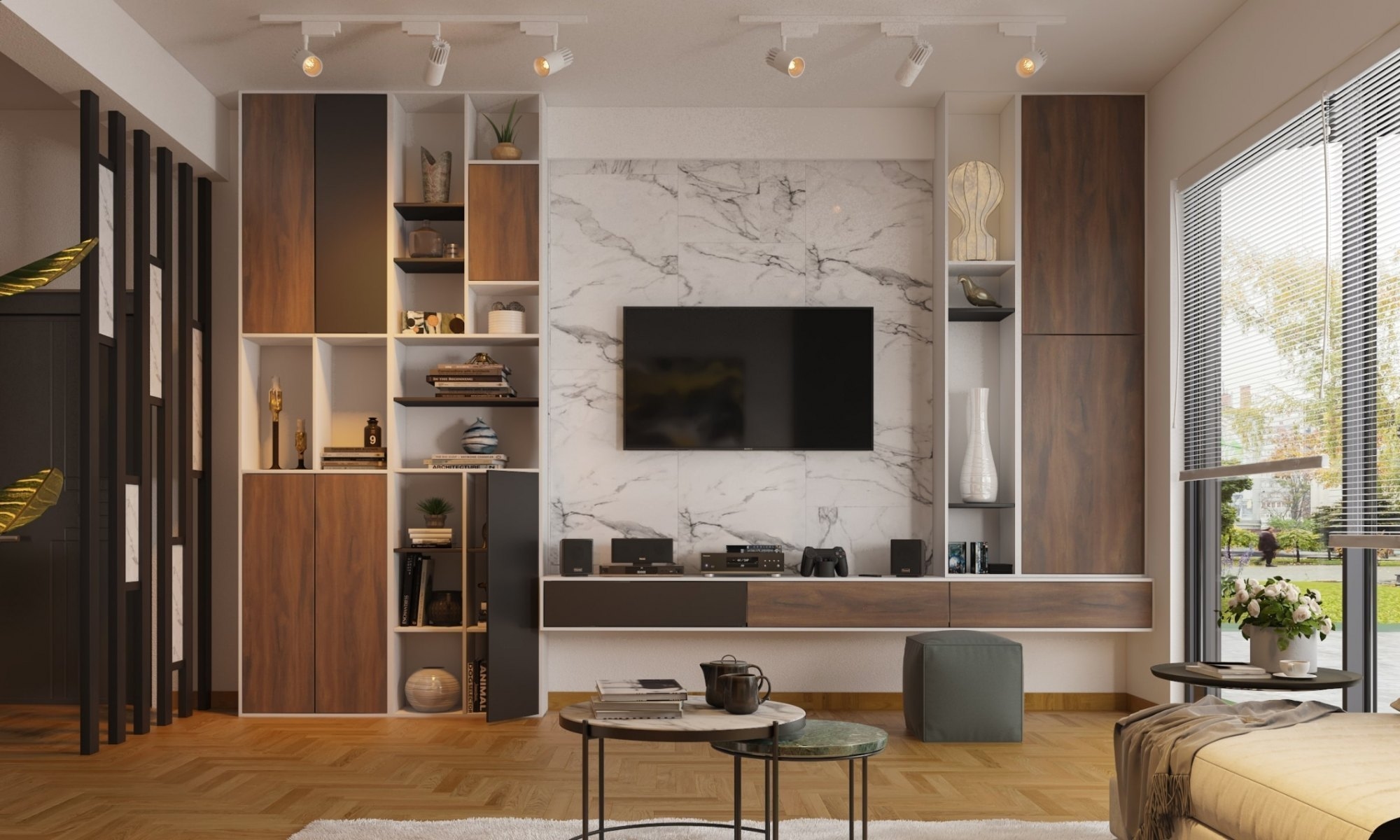
Capturing the exterior of a property in the best light is essential to attract potential buyers. First impressions matter, and when it comes to real estate, curb appeal can make or break a listing. Whether you’re a professional photographer or a homeowner looking to sell, learning how to photograph real estate exteriors effectively is crucial. The goal is to showcase the home’s character, size, and surrounding environment in a way that draws attention and entices buyers to learn more.
Understand the Importance of Curb Appeal
Curb appeal is the visual attractiveness of a property as seen from the street. Buyers often make instant judgments based on the exterior, so your photos need to highlight the property’s best features. A well-photographed exterior can emphasize the home’s design, the quality of the landscaping, and even the neighborhood atmosphere. In many cases, potential buyers decide whether to visit a property based solely on exterior images.
A clean, well-maintained exterior with inviting landscaping, fresh paint, and clear pathways can create a sense of welcome. Your photographs should emphasize these elements, making viewers feel as though they could imagine themselves living there. Even small details, like a polished door handle or a neatly trimmed hedge, can make a significant difference.
Choose the Right Time of Day
Lighting plays a huge role in exterior photography. The best times to photograph homes are during the “golden hours,” which occur shortly after sunrise and just before sunset. During these times, the sunlight is soft and warm, casting long shadows that add depth to the structure. Midday light is harsh and can create unflattering shadows or overly bright spots that obscure details.
Cloudy days can also be excellent for exterior shots because the light is diffused, reducing contrast and allowing colors to appear more balanced. Avoid photographing in rainy or overly dark conditions unless you want to create a dramatic mood, as poor lighting can make a home look uninviting.
Prepare the Property
Before taking photos, prepare the exterior carefully. Remove clutter such as garden hoses, trash bins, or toys that can distract from the home’s features. Ensure that the lawn is mowed, plants are trimmed, and any flowers are blooming if possible. Power-wash dirty siding, clean windows, and sweep driveways and walkways.
Small details, like placing a welcome mat or setting out potted plants, can enhance the appeal. Consider staging outdoor furniture to show how spaces like patios or decks can be used. Attention to detail in preparation ensures that your photographs highlight the property’s strengths rather than its flaws.
Use the Right Equipment
While smartphones today can take high-quality images, a professional camera with a wide-angle lens can capture a more comprehensive view of the property. Wide-angle lenses allow you to fit more of the structure and surrounding yard into a single frame, giving buyers a better sense of scale.
A tripod is highly recommended for keeping shots steady and maintaining consistent framing. It’s especially helpful when shooting in lower light or when using slower shutter speeds. Additionally, a polarizing filter can reduce glare from windows and shiny surfaces, ensuring that colors remain vivid and true to life.
Consider Composition and Angles
The composition of your shots is key to creating appealing photographs. Avoid taking pictures from eye level only. Explore different angles to find the most flattering perspective of the home. Shooting slightly from the side, rather than straight on, can add depth and make the property appear more inviting.
Include the surrounding environment when appropriate, such as trees, gardens, or attractive streetscapes. This contextual information helps buyers understand the neighborhood and adds to the overall charm of the property. At the same time, avoid cluttered backgrounds or distracting elements that draw attention away from the home.
Highlight Architectural Features
Every home has unique architectural features that should be emphasized in your photographs. This could include ornate doors, bay windows, gables, porches, or decorative brickwork. Use close-up shots to capture these details while keeping wide-angle shots to show the entire structure.
Pay attention to symmetry, as well. Many buyers are drawn to balanced compositions, and capturing the home in a way that highlights symmetry can create a pleasing visual effect. Even small details like lighting fixtures, shutters, or railings can enhance the perception of quality and care in the property.
Use Leading Lines and Framing
Leading lines guide the viewer’s eye toward the subject and create a sense of depth. Driveways, walkways, fences, and garden paths are natural leading lines that can draw attention to the home. Positioning yourself so that these lines converge toward the entrance or a key feature can make your photos more dynamic.
Framing is another technique to enhance exterior shots. Use natural elements such as trees, archways, or pergolas to frame the home. Framing not only adds visual interest but also creates a sense of scale and context.
Mind the Weather and Seasons
Weather and seasons can significantly affect the appeal of a property. Bright sunny days can make colors pop and create cheerful images, while overcast days can soften shadows and highlight details. For seasonal homes, showcase them at their best: lush green lawns in spring and summer, vibrant foliage in fall, and a pristine snowy setting in winter.
Consistency matters if you’re photographing multiple properties for a listing. Aim for similar lighting and weather conditions to create a cohesive portfolio. Keep in mind that certain weather conditions, such as extreme winds or heavy rain, can damage equipment or make exterior shots challenging.
Post-Processing Enhancements
Editing your photos can improve their visual appeal and help correct minor issues. Adjust brightness, contrast, and color balance to ensure that the images represent the property accurately. Avoid over-editing, as unrealistic images can lead to buyer disappointment and reduce credibility.
Removing small distractions, enhancing the sky, or correcting lens distortion are common post-processing tasks that make a significant difference. Professional editing ensures that your final images are polished and compelling.
Work With Professionals When Needed
While anyone can take a decent photo, professional expertise can elevate exterior real estate photography. Working with a skilled photographer can provide access to high-quality equipment, advanced editing skills, and an understanding of composition that makes the property stand out. For sellers in the region, hiring someone experienced in Orange County real estate photography ensures that homes are presented in the most marketable way possible.
Professional photographers know how to highlight the property’s strengths, compensate for challenging lighting, and capture images that appeal to potential buyers’ emotions. Their work often results in faster sales and higher offers because well-presented homes generate more interest.
Conclusion
Photographing real estate exteriors for maximum curb appeal requires attention to detail, understanding of light, and an eye for composition. By preparing the property, choosing the right time of day, and using proper equipment, you can capture images that showcase a home’s best features. Paying attention to angles, framing, architectural details, and seasonal elements ensures that your photos attract and engage potential buyers.
Whether you’re an aspiring photographer or a homeowner looking to sell, applying these techniques can make a significant difference in how a property is perceived. High-quality exterior photography not only highlights the home itself but also communicates care, quality, and attention to detail, all of which increase the likelihood of a successful sale. Investing time and effort into well-crafted images ultimately pays off by making your property stand out in a competitive market.