Introduction
Japan is a fascinating destination where ancient traditions, modern technology, beautiful landscapes, and efficient transportation come together. For Indian travellers, planning a trip to Japan can be an exciting experience, but it also requires careful attention to flights, accommodation, visa requirements, transportation, sightseeing, and travel schedules. A well-organised Japan Tour from India can make the entire journey smoother and more enjoyable.
With the right itinerary, travellers can explore famous destinations such as Tokyo, Kyoto, Osaka, Mount Fuji, Hakone, Nara, and Hiroshima without spending unnecessary time travelling between locations. Edutour focuses on creating organised travel experiences according to the traveller's dates, group size, interests, and preferred pace.
Why Plan a Japan Tour from India?
Japan offers something for different types of travellers. Couples can enjoy peaceful surroundings and traditional experiences, families can discover interactive attractions and cultural landmarks, while groups can combine sightseeing with educational or corporate activities.
Japan is also known for its organised public transportation, clean cities, well-maintained attractions, and clear signage at major stations. The Shinkansen, commonly known as the bullet train, makes travelling between major cities convenient and helps visitors cover several destinations during one holiday.
Some important benefits of planning a structured Japan trip include:
● Better organisation of flights and accommodation
● Convenient transportation between major cities
● Planned sightseeing and local experiences
● Assistance with travel documentation
● Flexible itineraries for families, couples, and groups
● Better control over travel time and overall budget
Popular Destinations to Include
A Japan itinerary can be customised according to the duration of the trip. First-time visitors often choose a combination of Tokyo, Kyoto, and Osaka, while longer holidays can include additional destinations.
Tokyo
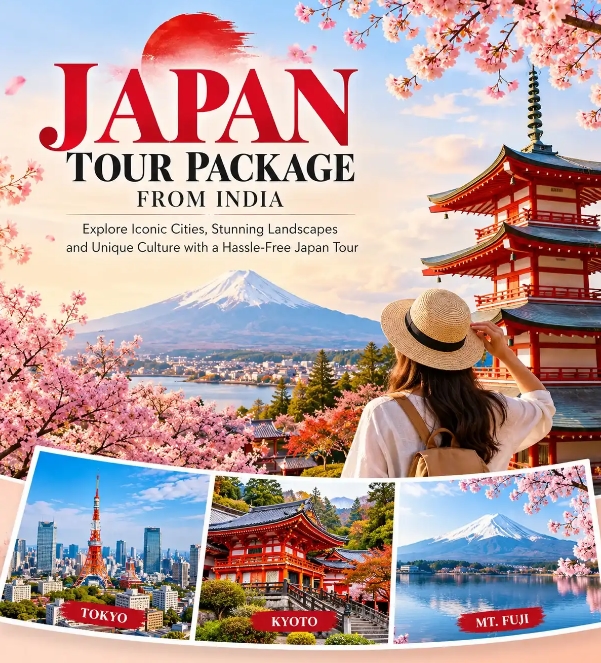
Tokyo combines modern architecture, shopping districts, traditional temples, entertainment, and vibrant neighbourhoods. Popular places include Shibuya, Asakusa, and Meiji Shrine. The city is an excellent starting point for travellers visiting Japan for the first time.
Kyoto
Kyoto provides a glimpse into Japan's traditional side. Visitors can explore historic temples, gardens, tea houses, and traditional streets. Fushimi Inari and Kinkaku-ji are among the attractions commonly included in Kyoto itineraries.
Osaka
Osaka is known for its lively atmosphere, food culture, shopping, and entertainment. Osaka Castle and the city's popular food districts can add variety to a Japan holiday.
Mount Fuji and Hakone
Mount Fuji is one of Japan's most recognisable landmarks. A day trip can be planned around scenic viewpoints, while Hakone offers opportunities to enjoy Lake Ashi, hot springs, and surrounding mountain scenery.
Nara and Hiroshima
Nara is suitable for travellers interested in temples and traditional attractions, including Todaiji Temple and its famous deer park. Hiroshima provides an important historical experience through places such as the Peace Memorial Park and nearby Miyajima.
Flights, Hotels, and Transportation
Planning transportation is an important part of an international holiday. Flight options depend on the departure city in India, travel dates, airline schedules, and connections. Travellers from major Indian cities may have different routing options, so flights should be selected according to convenient departure and arrival times.
Accommodation should ideally be selected according to the itinerary. Hotels near major railway stations can make city travel easier, particularly when travellers are moving between destinations with luggage.
Within Japan, trains are an important part of the travel experience. Bullet trains can connect major destinations efficiently, allowing travellers to spend more time exploring rather than travelling by road.
Visa and Travel Preparation
Indian passport holders require a visa before travelling to Japan. Preparing the necessary documentation in advance is therefore an important part of the trip-planning process. Requirements can vary, so travellers should verify the current requirements before submitting an application.
A practical preparation checklist can include:
● Valid passport
● Appropriate visa documentation
● Confirmed travel itinerary
● Accommodation details
● Flight information
● Proof of funds where required
● Travel insurance
● Emergency contact information
Starting preparations several months before the intended travel period can provide additional time to organise documents and reservations.
Choosing the Right Travel Season
Japan changes considerably throughout the year, making the travel season an important consideration.
Spring is particularly popular for cherry blossoms, especially around late March and early April, although exact flowering dates vary each year. Autumn, particularly October and November, can offer colourful foliage in destinations such as Kyoto and Tokyo.
Winter can be attractive for travellers interested in snow experiences and Hokkaido, while summer brings festivals and seasonal activities. Each season has different weather conditions and travel demand, so the itinerary should match the traveller's interests and comfort level.
Japan Tour Planning for Different Travellers
Not every traveller needs the same type of itinerary. Couples may prefer a relaxed schedule with comfortable hotels and romantic experiences. Families may benefit from shorter travel days and attractions suitable for different age groups.
Groups, educational institutions, and corporate travellers may need additional coordination for transportation, accommodation, sightseeing, and group activities.
A customised approach allows travellers to decide how many cities they want to visit, how much sightseeing they prefer, and how much free time they want during the trip. Edutour can help structure these elements into a practical itinerary rather than using the same schedule for every traveller.
How to Plan a Smooth Japan Holiday
A successful Japan holiday depends on balancing sightseeing with sufficient rest. Trying to cover too many cities in a short period can make the trip tiring. For a first visit, around seven to ten nights can provide enough time to explore major destinations at a comfortable pace.
Before confirming the trip, travellers should consider:
● Departure city in India
● Total number of travel days
● Preferred hotel category
● Number of destinations
● Transportation requirements
● Desired sightseeing experiences
● Visa preparation timeline
● Seasonal weather and crowd levels
Keeping these points clear makes it easier to create a realistic travel plan.
Conclusion
A Japan holiday can combine cultural discovery, modern attractions, scenic landscapes, excellent transportation, and memorable experiences. From the energetic streets of Tokyo to the historic charm of Kyoto and the food culture of Osaka, travellers can create an itinerary that matches their interests and available time.
A carefully planned Japan Tour from India can reduce the stress associated with international travel by organising major elements such as flights, hotels, transfers, sightseeing, and documentation in advance. The key is to choose a suitable travel season, allow enough time between destinations, and build an itinerary that is comfortable rather than unnecessarily crowded.
Final Thoughts
Japan is a destination that rewards thoughtful planning. Whether the purpose is a family holiday, honeymoon, group journey, educational experience, or cultural exploration, the right itinerary can make the trip more comfortable and meaningful. From transportation and accommodation to sightseeing and visa preparation, each element contributes to the overall travel experience.
With personalised planning and practical guidance, Edutour can help travellers organise their Japan holiday around their preferred dates, destinations, group size, and travel expectations.
Frequently Asked Questions
1. How many days are enough for a Japan trip from India?
Seven to ten nights can work well for a first-time visit. Seven nights can cover major cities such as Tokyo, Kyoto, and Osaka, while a longer trip allows additional destinations such as Hakone or Hiroshima.
2. Do Indian travellers need a visa for Japan?
Yes. Indian passport holders need a Japanese visa before travelling. Travellers should check the latest documentation requirements before applying.
3. What are the main places to visit in Japan?
Tokyo, Kyoto, Osaka, Mount Fuji, Hakone, Nara, and Hiroshima are popular choices. The final selection depends on the duration and purpose of the trip.
4. What is a good season to visit Japan?
Spring is popular for cherry blossoms, while autumn is known for colourful foliage. Winter is suitable for snow experiences, and summer is associated with festivals and seasonal activities.
5. Can Japan trips be planned for families and groups?
Yes. Itineraries can be adjusted for families, couples, friends, educational groups, and corporate travellers according to their preferred pace, activities, and accommodation requirements.