
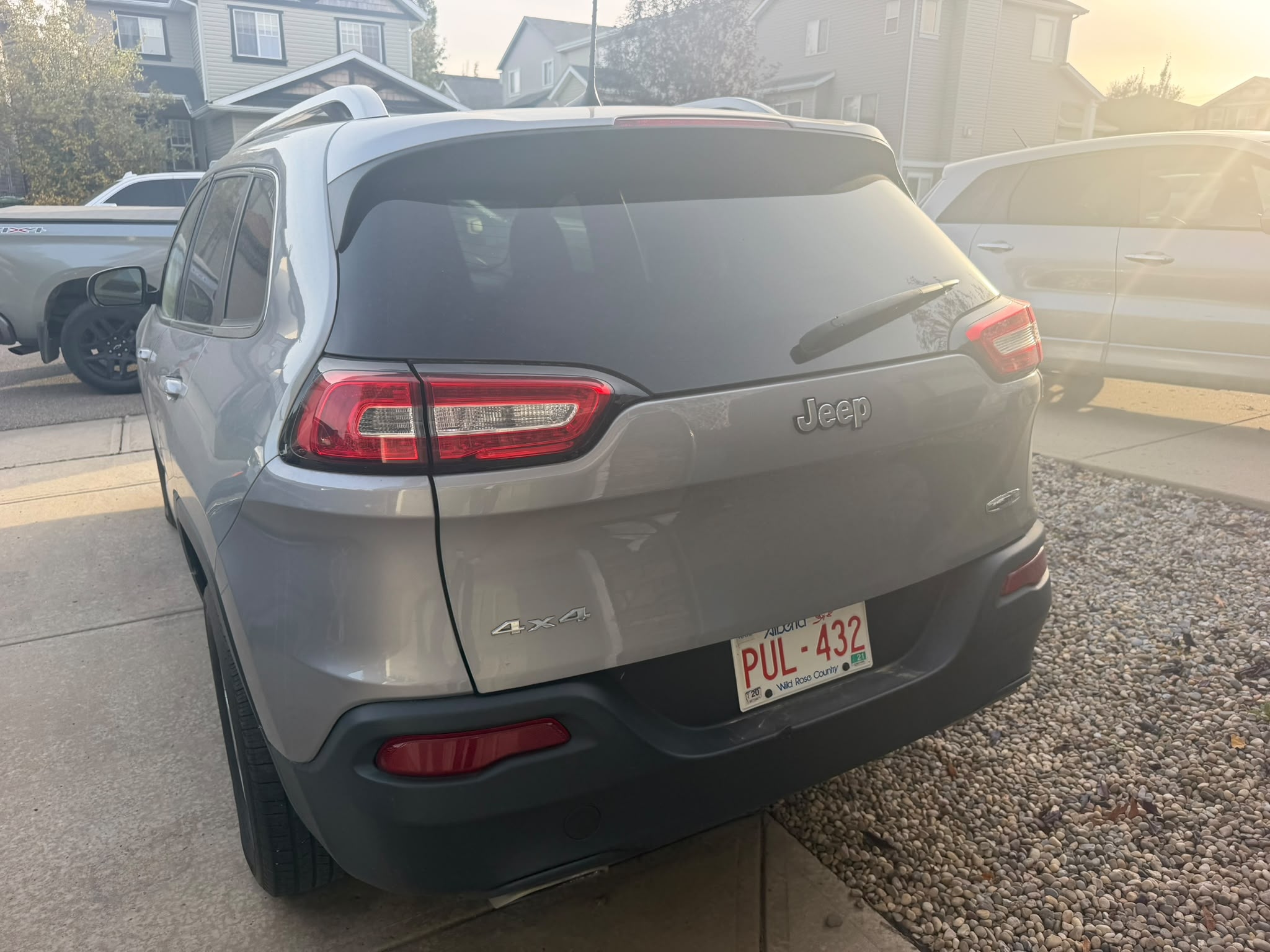
The unit is empty, the keys are back, the damage deposit is being sorted out — and there's still a car in the parking stall. Maybe it doesn't run. Maybe it has expired plates. Maybe the former tenant said they'd "come back for it next week" three months ago and stopped answering texts.
For Edmonton landlords and property managers, an abandoned tenant vehicle is a surprisingly common headache. It takes up a stall you could rent, it can attract complaints from other residents, and in winter it gets in the way of snow clearing. The frustrating part is that you can't simply sell it or scrap it, because it isn't yours.
This guide walks through what you can do, in the right order, so you get your stall back without creating a legal problem for yourself.
This article is general information, not legal advice. Rules can change and every situation is different. If the stakes are high or the tenant disputes anything, talk to a lawyer or a landlord association before acting.
Why You Can't Just Have It Hauled Away
It's tempting to call a tow truck or a scrap buyer and be done with it. The problem is ownership. A vehicle belongs to its registered owner, not to whoever owns the land it's parked on. A legitimate buyer will ask for proof of ownership and photo ID matching the registration before they take a vehicle, and a reputable one won't touch a car the seller can't prove they own.
If you dispose of a tenant's vehicle without the right authority, you risk a claim from the tenant, a lender who still holds a lien on the car, or both. Taking the right steps first protects you.
Step 1: Document Everything
Before you do anything else, build a simple paper trail:
• Photos of the vehicle from all sides, including the plate and the date.
• The make, model, colour and licence plate number. Note the VIN if it's visible through the windshield.
• The date the tenancy ended and the date you first noticed the car was left behind.
• Copies of the lease, especially any clauses about parking, vehicles or items left behind.
• Every attempt to contact the tenant, with dates.
This record matters if anyone later asks why the vehicle was removed.
Step 2: Contact the Tenant in Writing
Most abandoned cars are resolved right here. Send a clear, polite written notice by text, email and, if you have a forwarding address, regular mail. Say which vehicle you mean, where it is, that it needs to be removed, and a reasonable deadline.
Often the tenant simply didn't know what to do with a car that no longer runs. Offering a solution helps: if they don't want it, they can sell it themselves to a buyer who tows it away, or sign it over properly. Either way, the owner is the one who signs the paperwork, and your stall is cleared.
Step 3: Understand How Alberta Treats Abandoned Vehicles
If the tenant doesn't respond, the law gives you a route. Under Alberta's Traffic Safety Act, a vehicle left on private property for more than 72 consecutive hours without the consent of the owner or the person in control of the property can be treated as abandoned. Peace officers have authority to deal with abandoned vehicles, including having them removed and stored.
The key word is consent. If the car was parked in an assigned stall as part of the lease, the consent may have ended when the tenancy ended — which is why your lease terms and your written notice to the tenant matter so much.
Separately, the City of Edmonton treats vehicles that are derelict, wrecked or dismantled as a nuisance issue rather than an abandoned-vehicle issue. If the car is clearly a wreck, the city's community standards process may be relevant. Calling 311 is a good way to find out which route applies to your situation.
Step 4: Check the Lease and Tenancy Rules
Alberta's Residential Tenancies Act includes rules about personal property that a tenant leaves behind after a tenancy ends, and those rules can affect what you're allowed to do and when. Read your lease and the current rules carefully, or ask your landlord association or a lawyer, before you dispose of anything a former tenant owned.
For future leases, consider adding a clear clause about vehicles: that inoperable or unregistered vehicles aren't allowed in stalls, and what happens to a vehicle left after move-out. It won't override the law, but it makes your expectations and the tenant's consent much clearer.
Step 5: Choose the Right Way to Remove It
Once the situation is clear, there are three common outcomes:
Situation | Usual route | Who signs |
Tenant responds and wants to get rid of it | Tenant sells it to a buyer who tows it away | The tenant, as registered owner |
Tenant responds and wants to keep it | Tenant arranges their own tow by your deadline | Not needed |
Tenant can't be reached | Follow the abandoned-vehicle process through a peace officer, bylaw or 311 | Handled through the official process |
When the tenant does cooperate, the easiest fix is usually a buyer that offers car removal in Edmonton with free towing. The tenant gets paid for a car they no longer want, the buyer handles the tow and paperwork, and you get your stall back the same day. It's often the quickest way to turn a dispute into a non-issue.
Mistakes That Create Bigger Problems
• Scrapping it without the owner's signature. Even if the car looks worthless, it may still have a lien, and the owner may still want it.
• Taking the plates off yourself. The plate belongs to the registered owner. Leave it alone.
• Deducting tow costs from the deposit without checking the rules. Damage deposits have their own rules in Alberta. Get advice before making deductions related to a vehicle.
• Ignoring it for months. An unregistered car sitting in a stall can become a safety, insurance and snow-clearing problem for the whole property.
• Skipping the paper trail. If there's ever a dispute, your dated photos and written notices are your best protection.
How to Prevent It Next Time
1. Add a vehicle clause to your lease covering inoperable, unregistered and abandoned vehicles.
2. Record every tenant's vehicle details — make, model, plate — at move-in.
3. Include vehicles on your move-out checklist and inspection.
4. Remind tenants before move-out that any car left behind needs to go, and offer them easy options for getting rid of one that doesn't run.
Quick Answers
How long before a car on my property is considered abandoned?
Under Alberta's Traffic Safety Act, a vehicle left on private property for more than 72 consecutive hours without the consent of the owner or person in control of the property can be deemed abandoned.
Can I sell my former tenant's car to recover unpaid rent?
Not on your own. You don't own the vehicle. Talk to a lawyer about recovering unpaid rent through the proper process.
Who do I call if I can't reach the tenant?
Start with 311. They can tell you whether the situation falls under abandoned-vehicle rules or the city's nuisance and community standards process.
The Bottom Line
An abandoned tenant vehicle feels like a big problem, but most cases resolve quickly with clear documentation, a written notice and an easy way for the tenant to get rid of the car. When the tenant has disappeared, follow the official abandoned-vehicle process rather than taking matters into your own hands. Either way, you'll get your parking stall back without trading one headache for a bigger one.






