
Las Vegas is the trade show capital of the United States. Big events like CES, SEMA, and NAB fill its halls every year. If you work with Trade Show Booth Builders in the USA, you know that each city has its own habits. Vegas has more than most.
Here is the part that surprises many first-time exhibitors. Nevada is a right-to-work state. So many marketing teams think they can skip the unions and build the whole booth with their own people. That is a costly mistake. Once you step onto the show floor, a different set of rules takes over. Those rules come from labor agreements between the official show contractor, like Freeman or GES, and local unions.
This guide breaks down the rules in plain English. You will learn who does what, where the costs hide, and how to plan. Think of it as a short trade show marketing guide for your next trip to Sin City. Whether you want a custom build or a rental, the same labor rules apply.
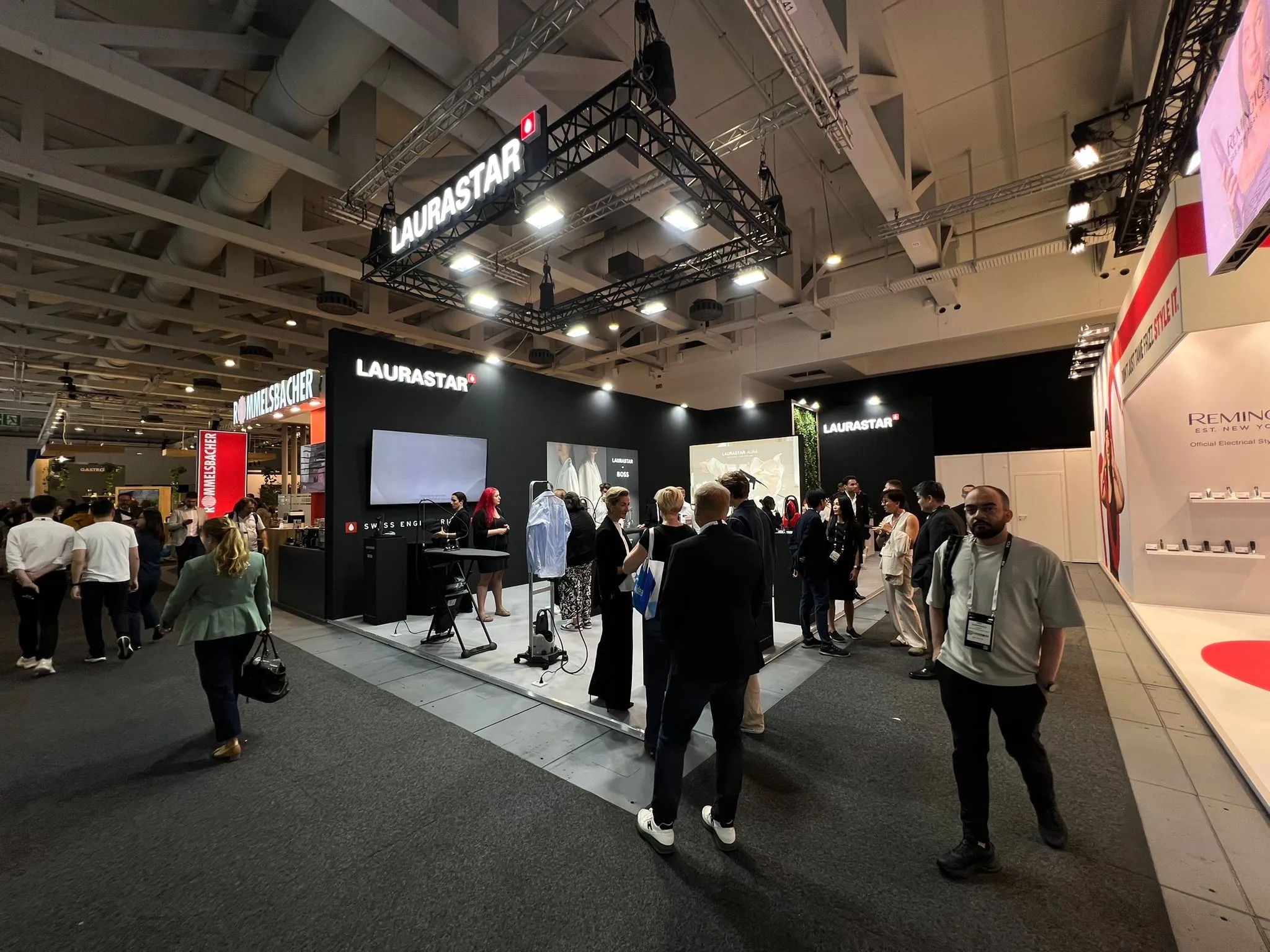
Right-to-Work Does Not Mean Union-Free
Right-to-work laws affect how people get hired and whether they must join a union. They do not remove union control on the show floor. Venues and show contractors sign binding agreements that give certain jobs to certain trades. A trade show booth design company Las Vegas exhibitors trust will know these trades by heart.
Teamsters Local 631: This group handles freight and material handling. They also install and dismantle many prefabricated exhibits. They run dollies, hand trucks, and forklifts.
IBEW: This is the electrical union. Its members run cables under your carpet, hardwire equipment, and hang lighting from trusses.
IATSE Local 720: You will mostly meet this group at venues like Caesars Forum. They handle rigging and AV.
Carpenters and decorators: Depending on the contractor, these crews may set up custom exhibits, hang signs, and lay carpet.
The most important paper you will read is the Exhibitor Service Manual, or ESM. It tells you which union owns which task for your show.
Rules Change From Venue to Venue
Here is a trap that catches many teams. Labor rules are not the same in every building. A rule that works at one venue can get you in trouble at another. So before you book anything, check the Las Vegas Convention Center calendar and your show's venue page. Then read the rules for that exact building.
Las Vegas Convention Center
This quick Las Vegas Convention Center Guide starts with two documents. You need the LVCVA Building User's Manual and your show's ESM. Together they set the rules. Outside contractors, called EACs, must be licensed to work on LVCVA property. They also need an annual permit, often weeks before move-in. Full-time employees of your company may have self-install rights, but those rights are tight. If your displays are heavy, expect to pay for union labor.
Mandalay Bay
At Mandalay Bay, Freeman usually handles material handling and some rigging. But the venue keeps tight control of heavy rigging. Anything that hangs over your space and weighs 200 pounds or more belongs to the in-house team. That includes electrical signs, trusses, and chain motors. Free-climbing is banned. Other contractors can only hang signs that weigh under 200 pounds and have no electrical parts. Picture a 300-pound lit logo over your booth. You cannot hang it yourself. You must order it from the venue.
Venetian Expo
This Venetian Expo Guide is short because the main rule is simple. All electrical work, even booth lighting, must be done by Venetian Expo electricians. No exceptions. You may self-install other parts of your booth under your show's rules, but power is off limits. One more thing: EACs must wear official venue wristbands. The color changes every day, and only registered EAC supervisors can pick them up.
Caesars Forum
Caesars Forum is a ballroom venue, not a concrete hall. Teamsters Local 631 handles freight and booth labor. IATSE Local 720 handles rigging and AV. AV, electrical, internet, and rigging are all venue exclusives. The ballroom floors also limit big equipment. Standard forklifts are often not allowed, so crews rely on pallet jacks and dollies. That slows down move-in and move-out for heavy exhibits.
Can You Install Your Own Booth?
Many brands look at Trade Show Exhibit Rentals In Las Vegas and think they can save money by building the booth themselves. It is not that easy. Self-install rights belong only to full-time, permanent employees of the exhibiting company.
That means temp workers do not count. Promo models do not count. Freelancers and an unregistered contractor's crew do not count either. Union stewards can ask for proof, like a W-2, a pay stub, or a medical card. If you cannot show it, your team has to stop.
Even for full-time staff, the limits are narrow. Some shows only allow setup work that one person can finish in 30 minutes with no hand tools. Need a ladder? Need a drill? Need more time? Then it is union work.
CES is a good example. Exhibitors can set up their own displays with full-time employees. But they cannot use flatbed carts, dollies, or hand trucks. You can only hand-carry items onto the floor. So a rental booth is not a free pass. The rules care about who does the work and what tools they use. They do not care whether the booth is custom or rented.
The Big Three Exclusives
If you are pricing Las Vegas trade show booth rentals, plan for three services you almost never get to do yourself. These are drayage, electrical, and rigging.
Drayage
Drayage means moving your freight from the dock to your booth. It also covers storing your empty crates and bringing them back at move-out. In Las Vegas, the official show contractor is the only provider. You cannot move your own crates. You cannot bring your own forklift. You cannot hire an outside crew to haul freight inside the hall.
Drayage is priced by the hundredweight, or CWT. One CWT is 100 pounds. Rates come with minimums. For 2025 to 2027, Las Vegas Convention Center drayage runs about $71 to $210 per CWT round trip. The price depends on the show, the contractor, and whether you ship to the advance warehouse or straight to the site. Here is a quick example. A 2,000-pound shipment is 20 CWT. At $100 per CWT, that is $2,000 before any extras. The only exception is hand-carrying what one person can bring in one trip.
Electrical
Electrical work is almost always exclusive to the venue or its in-house electrical contractor. IBEW covers cables under carpet, hardwiring, and wiring through trusses. Say you bring backlit panels or complex AV gear and try to wire them yourself. You will likely get stopped. Then you will pay venue electricians at show-site rates, which are not cheap.
Rigging and Hanging Signs
Rigging is a safety job, so it is almost always exclusive. Think of the 200-pound rule at Mandalay Bay or IATSE at Caesars Forum. Overhead rigging must be planned, ordered early, and done by the venue or the official contractor.
Labor Costs and Budget Blowouts
The base hourly rate is only part of the story. Timing matters more. When the work happens and how crews get called can double your bill. Straight time usually runs Monday to Friday, 8:00 AM to 4:30 PM. After that, overtime starts, often 50% higher or more. Sundays and holidays can bring double time.
Published rates for upcoming Las Vegas events put straight time at about $98 to $172 per hour. Overtime can run from $157 to over $300 per hour.
Then there are minimum calls. A common rule is a two-person crew with a four-hour minimum. Say a union worker helps you adjust one wall panel. It takes 30 minutes. You still pay the four-hour minimum. That is why smart planning is mostly about logistics. If your truck shows up late and your call slides into Saturday overtime, your labor budget can double.
Working With Exhibitor-Appointed Contractors
An Exhibitor-Appointed Contractor, or EAC, is an outside company you hire for booth setup, photos, or flowers. It is separate from the official show contractor. Many brands like to use their own trusted trade show booth builder Las Vegas instead of the show's labor pool. That is common, but it comes with rules.
Deadlines: EAC forms are due by a show-specific date, often 30 to 60 days before the event. Miss it, and your builder is locked out.
Insurance: Your EAC must send a certificate of insurance. It must name show management, the facility, and the official contractor as additional insureds.
Union labor: Hiring an EAC does not remove union rules. Your EAC brings the plan and the supervision. Local union workers from the hiring hall still do the physical build.
A Simple Checklist for Your Show
Use this trade show exhibitor checklist to keep your Las Vegas show on track.
Before the show:
Read the current ESM. Do not trust last year's version.
Check if your booth qualifies for self-install.
Register your EAC by the deadline and send a correct COI.
Order labor, electrical, and rigging early to get advance rates.
At move-in:
Confirm your dock window 48 hours before arrival.
Carry W-2s or pay stubs for anyone doing self-install work.
Take disputes to the contractor's floor manager, not the union workers.
Write down any delays, missing crates, or issues.
At move-out:
Never tear down before the official show close. Fines or bans can follow.
Schedule dismantle labor to match the return of your empty crates.
Check your final invoice against the ESM rates. Look for overlapping minimum calls and wrong overtime charges.
Plan Early and Save Money
Labor rules in Las Vegas can feel strict, but they’re easy to handle when you plan. Start by reading your Exhibitor Service Manual (ESM) carefully, so you know exactly what’s required, what’s allowed, and when deadlines apply. Then place your orders early. Advance rates are usually lower than on-site prices, and you’ll avoid costly rush fees. Finally, work with partners who know each venue well. They understand the local rules, the union requirements, and the little details that often trip up first-time exhibitors.
When you follow these three steps, your next show will run more smoothly, your team will deal with fewer surprises on the floor, and your budget will go further. A little preparation now saves a lot of stress and money later.




