
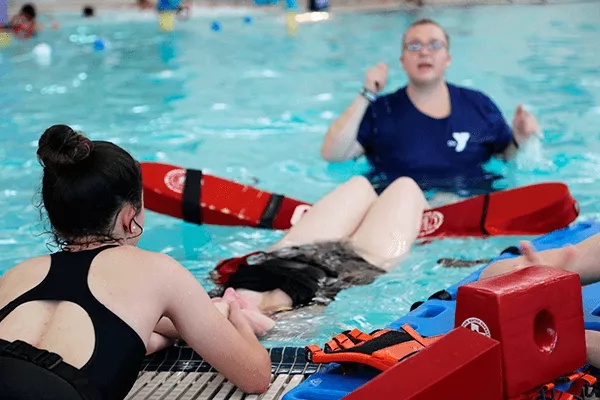
Water safety is a shared responsibility, but certified lifeguards play a critical role in preventing accidents and responding to emergencies. Whether you're looking for a rewarding summer job, a career in aquatic safety, or an opportunity to develop lifesaving skills, earning a lifeguard certification is the first step toward making a meaningful impact.
A lifeguard certification program goes beyond teaching swimming techniques. It prepares participants to recognize potential hazards, perform water rescues, administer first aid, provide CPR and AED care, and manage emergencies with confidence. This guide explains what lifeguard certification involves, why it matters, and how to choose the right training program.
What Is Lifeguard Certification?
Lifeguard certification is a credential awarded to individuals who successfully complete an approved training program and demonstrate competence in water rescue, emergency response, first aid, CPR, and professional lifeguarding practices.
Certification indicates that a candidate has met the training standards established by the certifying organization. Many employers require current certification before hiring lifeguards for pools, beaches, water parks, fitness centers, camps, and other aquatic facilities.
What You'll Learn During Certification
A comprehensive lifeguard certification course combines classroom learning with hands-on practice and realistic rescue scenarios.
Water Rescue Skills
Rescue training is the foundation of lifeguard certification. Participants learn how to respond safely and effectively to a variety of aquatic emergencies.
Typical instruction includes:
Active and passive victim rescues
Front and rear rescue approaches
Surface dives
Deep-water recoveries
Rescue tube techniques
Team rescue procedures
Spinal injury management
Practical exercises help candidates develop the confidence needed to perform rescues under pressure.
CPR, AED, and First Aid
Lifeguards must be prepared for emergencies both in and out of the water.
Certification programs commonly include training in:
Adult CPR
Child CPR
Infant CPR
Automated External Defibrillator (AED) operation
Rescue breathing
Choking emergencies
Bleeding control
Shock management
Heat-related illnesses
Medical emergencies and injuries
Students practice these skills repeatedly to improve speed, accuracy, and teamwork during emergencies.
Surveillance and Prevention
One of a lifeguard's primary responsibilities is preventing incidents before they occur.
Training focuses on:
Effective scanning techniques
Recognizing distressed swimmers
Identifying hazardous conditions
Enforcing facility rules
Monitoring high-risk areas
Communicating with patrons
Maintaining constant vigilance
Strong surveillance skills help reduce the likelihood of emergencies and improve overall aquatic safety.
Emergency Action Plans
Certification programs also teach participants how to follow an Emergency Action Plan (EAP).
Topics often include:
Emergency communication
Coordinating rescue teams
Activating emergency medical services
Evacuation procedures
Severe weather response
Incident documentation
Practicing emergency scenarios ensures lifeguards understand their responsibilities during critical situations.
Certification Prerequisites
Most organizations require candidates to meet certain prerequisites before beginning lifeguard training.
These often include:
Minimum age requirements
Timed swimming tests
Continuous swimming without assistance
Treading water
Retrieving an object from deep water
Specific requirements vary by training provider, so applicants should review eligibility before enrolling.
Benefits of Lifeguard Certification
Learn Lifesaving Skills
Certification equips individuals with practical skills that may help save lives during aquatic and medical emergencies.
Expand Employment Opportunities
Certified lifeguards are employed in a variety of settings, including:
Public pools
Private clubs
Beaches
Water parks
Resorts
Summer camps
Universities
Recreation centers
Build Leadership Skills
Lifeguards develop communication, teamwork, critical thinking, and decision-making abilities that are valuable in many careers.
Increase Personal Confidence
Successfully completing rescue scenarios and emergency simulations helps participants remain calm and effective under pressure.
Choosing a Certification Provider
Several nationally recognized organizations offer lifeguard certification. When selecting a provider, consider:
Employer acceptance in your area
Instructor qualifications
Hands-on training opportunities
CPR and first aid included
Class schedules
Recertification requirements
A reputable training provider should emphasize practical experience alongside classroom instruction.
Maintaining Your Certification
Lifeguard certification is typically valid for a limited period and must be renewed through recertification courses. Renewal programs refresh rescue skills, CPR techniques, first aid knowledge, and emergency response procedures.
Many employers also conduct regular in-service training to help lifeguards maintain proficiency, practice teamwork, and stay prepared for facility-specific emergencies.
Ongoing education ensures lifeguards continue to meet current standards and provide effective care when needed.
Tips for Success
Before attending your certification course:
Improve your swimming endurance.
Practice water treading and underwater retrievals.
Stay physically active.
Review basic first aid concepts.
Participate fully during practical exercises.
Ask instructors for feedback to strengthen your skills.
Preparation and consistent practice will help you perform confidently throughout the course.
Conclusion
Lifeguard certification is much more than a professional credential—it represents a commitment to protecting lives and promoting water safety. Through comprehensive training in water rescue, CPR, AED use, first aid, surveillance, and emergency response, certified lifeguards gain the skills needed to respond quickly and effectively when emergencies occur.
Whether you're pursuing your first job, exploring a career in aquatic safety, or simply wanting to develop lifesaving abilities, earning a lifeguard certification is a valuable investment in your future and your community.
Author Bio
Jordan Mitchell is a water safety writer and emergency preparedness researcher specializing in lifeguard training, CPR, first aid, and aquatic risk management. He has written extensively on evidence-based safety practices and professional training standards, helping readers make informed decisions about certification and water safety education. His goal is to make complex lifesaving concepts accessible to aspiring lifeguards and aquatic professionals alike.




