
The mullet has made a strong comeback in men's hairstyling, but today's versions are much cleaner and more versatile than the classic cuts of decades past. Modern barbers combine textured layers, fades, tapers, and different lengths to create styles that suit a wide range of looks.
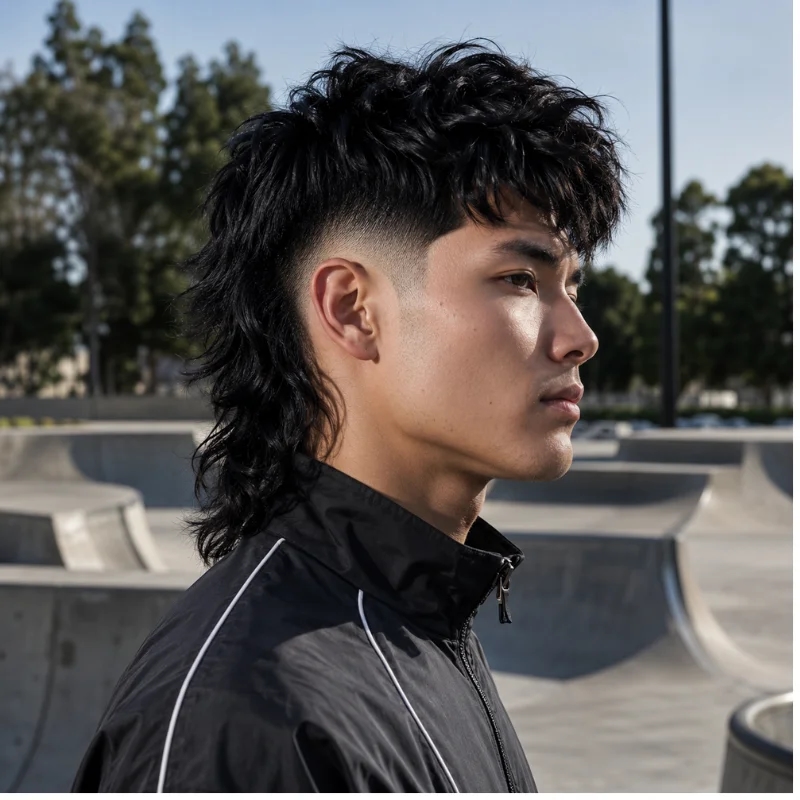
If you're considering a Mullet Haircut, there are now plenty of modern variations to choose from. The right version can be subtle and professional or bold and expressive, depending on your hair type, face shape, and personal style.
What Is a Mullet?
A mullet is traditionally characterized by shorter hair at the front and sides with longer hair toward the back. Modern interpretations maintain this recognizable shape while introducing cleaner transitions, texture, and contemporary barbering techniques.
Instead of simply growing the back long, today's mullets are usually carefully layered and shaped. The sides may feature a taper, low fade, mid fade, or burst fade, while the top can be textured, slicked back, parted, or left naturally messy.
Why Is the Modern Mullet Popular?
One of the biggest reasons for the mullet's renewed popularity is its versatility. Men no longer have to choose an exaggerated version with an extremely long tail. A barber can create a shorter and more understated shape that still has the distinctive mullet profile.
The style also works with different hair textures. Straight hair can benefit from layers and texturing, while wavy and curly hair can use natural movement to create volume through the back.
Another advantage is that the haircut can be personalized around the sides. A taper gives a softer appearance, while a fade creates stronger contrast and a more noticeable modern finish.
Popular Mullet Styles for Men
Textured Mullet
A textured mullet features layered sections throughout the top and back. The additional texture creates movement and gives the haircut a relaxed, modern appearance. It is particularly suitable for men who prefer a casual hairstyle that does not look overly polished.
Burst Fade Mullet
The burst fade curves around the ears and gradually blends into the longer hair at the back. This creates a distinctive contrast while keeping the sides clean. It is a popular choice for men who want a sharper and more noticeable variation.
Taper Mullet
A taper mullet provides a more subtle transition around the temples, sideburns, and neckline. Because it does not remove as much hair from the sides as some fades, it can produce a softer and more wearable appearance.
Curly Mullet
Curly hair can make a mullet look especially full and dynamic. Keeping enough length through the back allows the natural curl pattern to become part of the haircut, while shorter sides keep the overall shape controlled.
Short Mullet
A short mullet keeps the distinctive longer-back structure without requiring a long tail. It can be easier to maintain and is a practical option for men who want to experiment with the trend without making a dramatic change.
Choosing the Right Mullet for Your Hair
Your natural hair texture should influence the style you choose. Straight hair often benefits from strategic layering because layers prevent the back from looking flat. Wavy hair naturally adds movement and can create a relaxed finish with minimal styling.
Curly and coily hair can produce impressive volume, but the haircut should be shaped carefully to avoid excessive bulk. A skilled barber can adjust the length and proportions according to your curl pattern.
Face shape is another consideration. Oval faces can generally accommodate many variations, while round faces may benefit from additional height and texture on top. Stronger jawlines can work well with softer layers that balance the overall shape.
How to Explain the Cut to Your Barber
It's better to describe the exact result you want instead of simply asking for a mullet. Tell your barber how much length you want to keep at the back and what type of finish you prefer around the sides.
For example, you could ask for shorter sides, textured length on top, and a longer layered back. If you want a fade or taper, mention it specifically and show a reference photo.
A reference image is especially useful because modern mullets can vary significantly in length, texture, and side detailing.
How to Style a Modern Mullet
Styling requirements depend on your hair type. Start with damp hair and use a lightweight product designed to provide texture or definition. A texture spray can add movement, while a matte paste or clay can provide stronger separation.
Avoid making every strand perfectly controlled. Modern mullets generally look more natural when the texture has some movement.
For curly and wavy hair, use a curl-enhancing product and allow the natural pattern to develop. A diffuser can also help preserve volume while reducing frizz.
Is the Mullet Still in Style?
The modern mullet continues to be a popular choice for men who want a distinctive haircut. Its current appeal comes from customization rather than following one fixed shape.
Today's versions can be adapted to different workplaces, lifestyles, and personal preferences. A short taper mullet can be relatively understated, while a textured burst fade version can create a much stronger statement.
Final Thoughts
The modern mullet has evolved far beyond its traditional image. With fades, tapers, layers, texture, and different lengths available, it can be customized to suit almost any hair type and personal aesthetic.
The most important step is choosing proportions that work with your natural hair and face shape. A good barber can help create a balanced silhouette that looks intentional from the front, side, and back.




