
Facial harmonization is a modern approach to aesthetics that looks at the face as a whole instead of treating one feature at a time. Rather than chasing bigger lips or higher cheekbones in isolation, it aims to balance proportions, contours, and skin quality so the result looks natural and cohesive. If you are exploring Dermal fillers in Dubai (حقن الحشوات الجلدية الفيلر) as part of a broader plan, this guide explains how non-surgical facial harmonization works and why consultation and mapping are the foundation of good results.
What Is Non-Surgical Facial Harmonization?
Non-surgical facial harmonization is a personalized treatment plan that uses minimally invasive procedures to improve balance and symmetry. It may combine several treatments, such as:
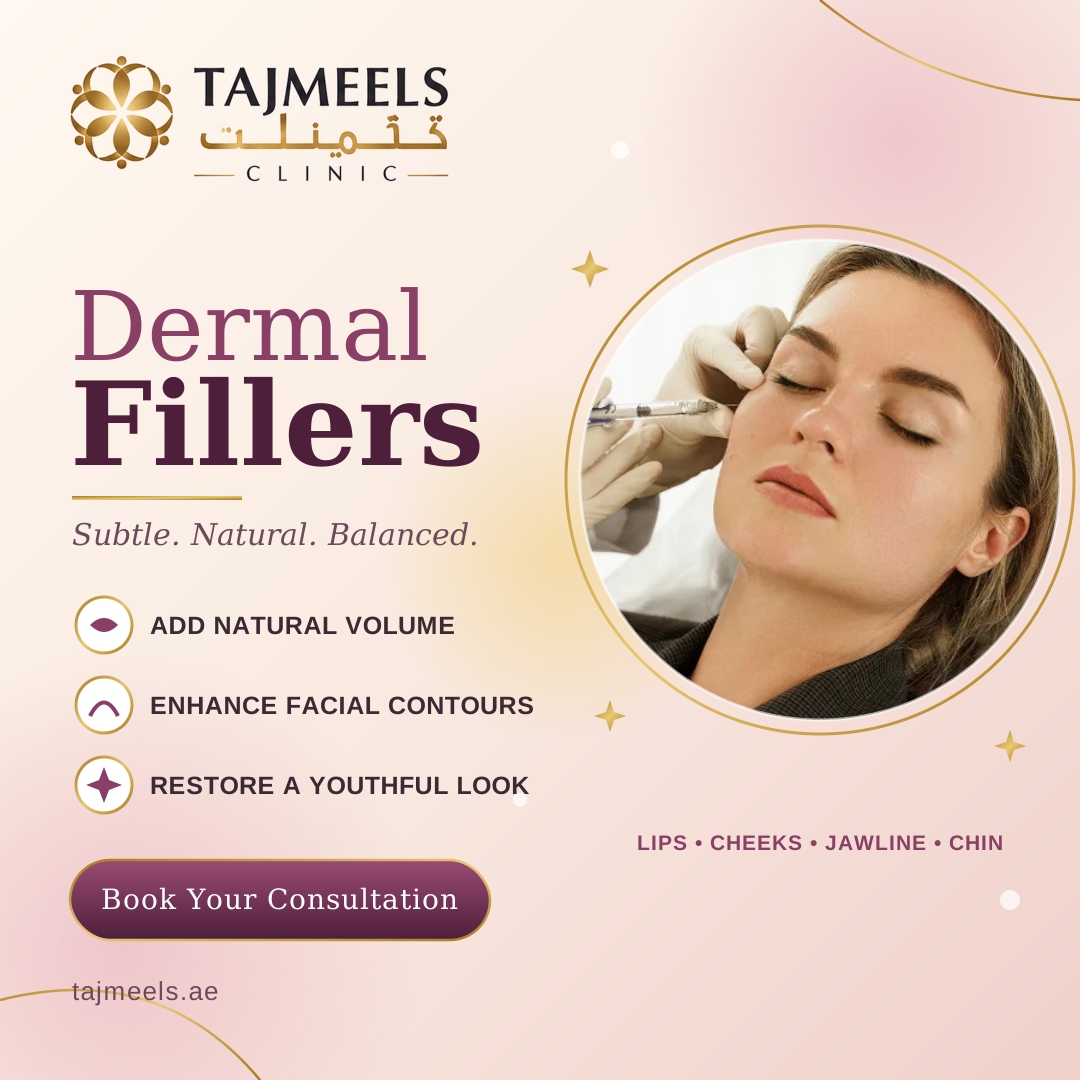
Dermal fillers to restore volume, define contours, and refine proportions
Botulinum toxin (Botox) to soften expression lines and balance muscle activity
Skin quality treatments to improve texture, tone, and glow
Skin-tightening or collagen-stimulating options where suitable
The goal is not to change who you are. It is to bring out your natural features in proportion with one another.
Why a Whole-Face Approach Works Better
Treating one area without considering the rest can throw the face out of balance. For example:
Large lips on a recessed chin can look disproportionate
Cheek filler without midface support can create an unnatural, heavy look
Smoothing the forehead without balancing the brows can change the eye area
Harmonization avoids these problems by looking at how each feature relates to the others, including from the side and at an angle, not just face-on.
The Importance of Consultation
A thorough consultation is the first and most important step. It is where your practitioner learns what you want, what you are worried about, and what is realistic.
What a good consultation usually includes
Your goals and concerns: what bothers you, what you like, and what you want to change
Medical history: allergies, medications, previous treatments, pregnancy or breastfeeding status, and skin conditions
Lifestyle factors: sun exposure, skincare routine, smoking, and activity level
Expectations: an honest conversation about what injectables can and cannot do
Budget and timeline: so the plan can be phased sensibly
Good practitioners also listen for what you do not want, such as looking “done” or losing your natural expressions.
What Is Facial Mapping?
Facial mapping is a detailed assessment of your face that guides where and how treatment should be done. It combines visual examination, measurement, and sometimes photography to study:
Facial proportions: the balance between the forehead, midface, and lower face
Symmetry: natural differences between the left and right sides
Bone structure: how your skeleton shapes the cheeks, chin, and jaw
Volume distribution: areas of fullness or hollowing
Skin quality: thickness, elasticity, texture, and pigmentation
Muscle movement: how your expressions create lines and affect your features
Profile view: how the nose, lips, and chin relate to each other from the side
How mapping helps
Mapping turns a general wish (“I want to look fresher”) into a specific plan (“support the midface, define the chin, and soften the frown lines”). It also helps your practitioner decide the order and amount of treatment.
Key Areas Considered in Harmonization
Area | What Is Assessed | Possible Approach |
|---|---|---|
Cheeks and midface | Volume, lift, projection | Dermal filler for support and contour |
Chin and jawline | Projection, definition, balance | Filler for structure and profile |
Lips | Proportion, symmetry, border definition | Subtle filler enhancement |
Under-eyes and tear troughs | Hollowing, shadows | Careful, conservative filler |
Forehead and brows | Lines, brow position | Botox for expression lines |
Temples | Hollowing | Filler to restore youthful contour |
Skin surface | Texture, tone, dullness | Skin quality treatments |
Building a Personalized Treatment Plan
After the consultation and mapping, a plan is usually created in stages:
Priority areas: treating the features that make the biggest difference to balance first
Product selection: choosing the right filler or toxin for each area
Phasing: spreading treatments across visits so changes look gradual and natural
Maintenance: scheduling touch-ups as results fade
A phased approach also lets you and your practitioner review how your face responds before moving on to the next step.
What to Expect During Treatment
Preparation: the skin is cleansed, and a numbing cream may be applied
Injections: products are placed with a fine needle or cannula at the points identified in your plan
Duration: sessions often take 30 to 60 minutes, depending on the number of areas
Immediate results: some changes are visible right away, though swelling can mask the final look
Downtime: usually minimal, with possible mild swelling or bruising
Final results typically settle within about two weeks, and your practitioner may offer a review to fine-tune the outcome.
Benefits of Facial Harmonization
Natural-looking results that preserve your identity
Balanced proportions across the whole face
Minimal downtime compared with surgery
Customization based on your anatomy and goals
Flexibility, since many treatments are temporary or adjustable
Risks and Safety Considerations
As with any injectable treatment, side effects can include swelling, bruising, asymmetry, lumps, and, rarely, serious complications such as vascular problems. To reduce risks:
Choose a licensed medical practitioner
Make sure products are genuine and approved
Share your full medical history
Follow aftercare instructions
Avoid pushing for more than your practitioner recommends
Choosing the Right Clinic in Dubai
Look for a clinic that prioritizes consultation, uses a whole-face approach, and is honest about what is needed. Be cautious about clinics that push large packages or offer the same plan to everyone.
Tajmeels Clinic Dubai offers cosmetic injectable treatments with a focus on personalized consultation and natural-looking results. Each plan starts with understanding your features, goals, and preferences, so treatments are chosen to enhance your face in proportion rather than follow a template.
Frequently Asked Questions
Is facial harmonization the same as getting fillers?
No. Fillers are one tool within harmonization, which may also include Botox and skin treatments.
How long does it take to see results?
Some effects are immediate, and the final result usually settles within one to two weeks.
Will I look different or “done”?
When planned conservatively, results should look like a refreshed version of you.
How often are touch-ups needed?
It depends on the products and areas treated, but many people return every 6 to 18 months.
Do I need to treat everything at once?
Not necessarily. Many plans are phased over several visits.
Final Thoughts!
Non-surgical facial harmonization works because it starts with understanding, not injecting. A careful consultation and facial mapping help turn your goals into a balanced, realistic plan that respects your natural features. If you are considering Dermal fillers in Dubai or حقن الحشوات الجلدية الفيلر, book a consultation with a qualified specialist for a personalized facial mapping and treatment plan.
Note: Results vary by individual. This article is for informational purposes and is not a substitute for professional medical advice.





