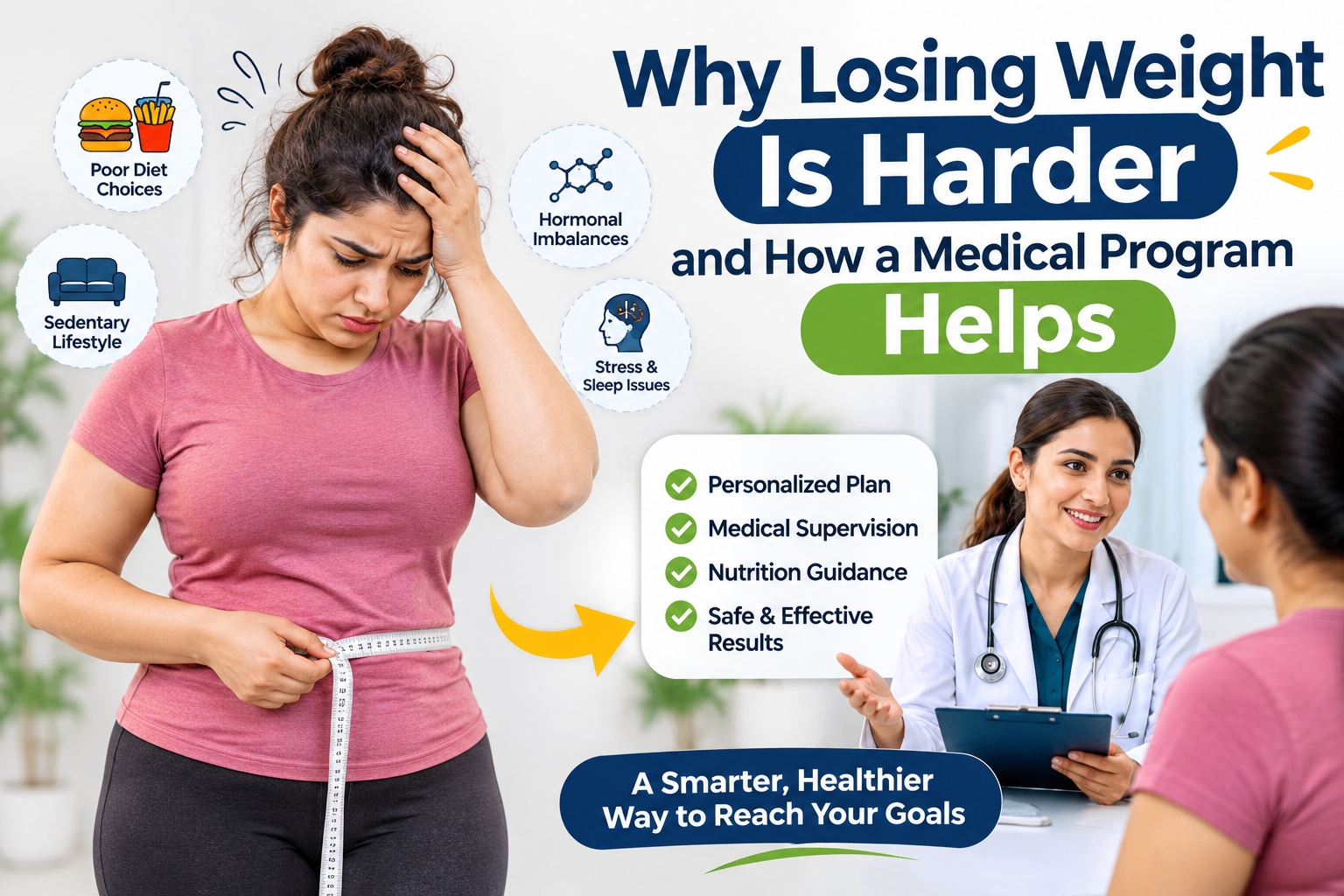
Polycystic ovary syndrome (PCOS) is one of the most common hormonal conditions affecting women of reproductive age, and weight is often the most frustrating part of living with it. Many women with PCOS eat carefully, stay active and still watch the scale climb, or lose a little weight only to regain it within weeks. This is not a failure of willpower. PCOS changes the way the body handles insulin, hunger and fat storage, which means the standard advice of simply eating less and moving more often works more slowly, and sometimes barely works at all. Understanding what is happening inside the body is the first step towards a plan that actually fits the condition.
What PCOS Does to Weight and Appetite
PCOS involves an imbalance of reproductive hormones, including higher levels of androgens, and it is closely linked with insulin resistance. When the body becomes less sensitive to insulin, the pancreas produces more of it to keep blood sugar under control. Higher insulin levels, in turn, encourage the body to store fat, particularly around the waist, and can drive stronger hunger and cravings for sweet and starchy foods. The NHS explains that being overweight can also worsen the symptoms of PCOS, which creates a difficult cycle: the condition makes weight gain more likely, and the extra weight makes the condition harder to manage. Stress, poor sleep and certain long-term eating patterns can add to the problem, which is why PCOS weight management usually needs to address several factors at once rather than relying on a single change.
Why Standard Diets Often Fail Women with PCOS
A generic diet plan is written for an average metabolism, and a body with insulin resistance does not respond like one. Crash diets can be especially counterproductive: severe restriction increases hunger hormones, slows energy levels and makes long-term adherence almost impossible, so the weight that comes off usually returns. The Endocrine Society and other clinical bodies consistently emphasize lifestyle management as the foundation of PCOS care, but lifestyle management means a structured, sustainable approach designed around the condition, not a one-size-fits-all diet sheet handed to every patient. Diagnosis also matters. PCOS shares symptoms with other conditions, including thyroid disorders, so proper medical assessment, including blood tests where needed, should come before any weight loss plan is built.
What Even Modest Weight Loss Can Improve
The encouraging news is that women with PCOS do not need to reach an ideal weight before they see benefits. Research and clinical guidance indicate that losing a modest amount of weight, where a person is above a healthy range, can help improve insulin sensitivity, support more regular cycles, improve fertility prospects and reduce some long-term health risks linked with PCOS, such as type 2 diabetes. Progress may be slower than it is for someone without the condition, and results vary from person to person depending on their hormonal profile, other health conditions and consistency with the plan. That is precisely why realistic targets, set with a doctor who understands your test results, are far more useful than promises of rapid transformation.
What a Doctor-Supervised Program Adds
A medical program approaches PCOS weight gain as a clinical issue rather than a cosmetic one. It starts with assessment: medical history, current symptoms, previous attempts, and any related conditions that need to be considered. From there, a clinician-designed diet plan can be matched to the patient's metabolic profile instead of a generic calorie target, and progress can be measured regularly so the plan is adjusted when the body responds differently than expected. At Health360, structured PCOS weight loss treatment combines this kind of medical supervision with non-surgical technologies such as radiofrequency, ultrasound cavitation, HIFU and fat-dissolving treatments aimed at stubborn fat areas, alongside dietary support. A broader overview of how these technologies fit together is covered in this complete guide to body contouring and weight loss treatments in Pakistan.
Fitting Treatment Around Real Life in Pakistan
Consistency is easier when treatment is practical. Programs at clinics such as this top slimming center in Faisalabad are built around regular, non-invasive sessions that patients in Faisalabad and Islamabad can attend alongside work and family commitments, with no surgery and no recovery time away from daily life. For a woman with PCOS, that structure matters: steady attendance, steady monitoring and steady adjustments are what turn a plan from a short attempt into a managed process. It is important to be clear about what such a program is and is not. It supports weight management and body contouring; it does not replace your own doctor, gynaecologist or endocrinologist, and it does not replace any medication prescribed for PCOS or related conditions. The best outcomes come when clinic-based treatment, medical care and daily habits work together.
Building Habits That Support the Program
Clinic sessions work best alongside a few sustainable habits. Balanced meals with adequate protein and fibre help manage hunger and blood sugar swings. Regular movement, including resistance exercise, supports insulin sensitivity and helps preserve muscle as weight falls. Sleep deserves attention too, because poor sleep worsens cravings and hormonal symptoms. The aim is a pattern that can be maintained for months, not a strict regime that collapses after a fortnight.
Frequently Asked Questions
Does PCOS make it impossible to lose weight? No. It usually makes weight loss slower and requires a plan designed around insulin resistance, but many women with PCOS do lose weight with structured medical and lifestyle support. Results vary between individuals.
Do I need a confirmed diagnosis before starting a program? Yes. A proper medical assessment should come first, because conditions such as thyroid problems can cause similar symptoms and need different management. Do not stop or change prescribed medication without speaking to your own doctor.
Are the treatments surgical? No. The program described here is non-surgical and based on technologies such as radiofrequency, cavitation and HIFU, combined with a medical diet plan and doctor monitoring.
How quickly will I see results? Timelines differ depending on your starting point, condition and adherence to the plan. Your doctor should set realistic expectations at consultation and track your progress throughout the program.
This article is general information only and is not a substitute for a professional consultation or diagnosis.