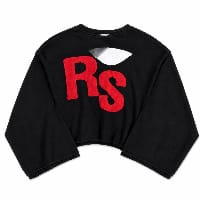
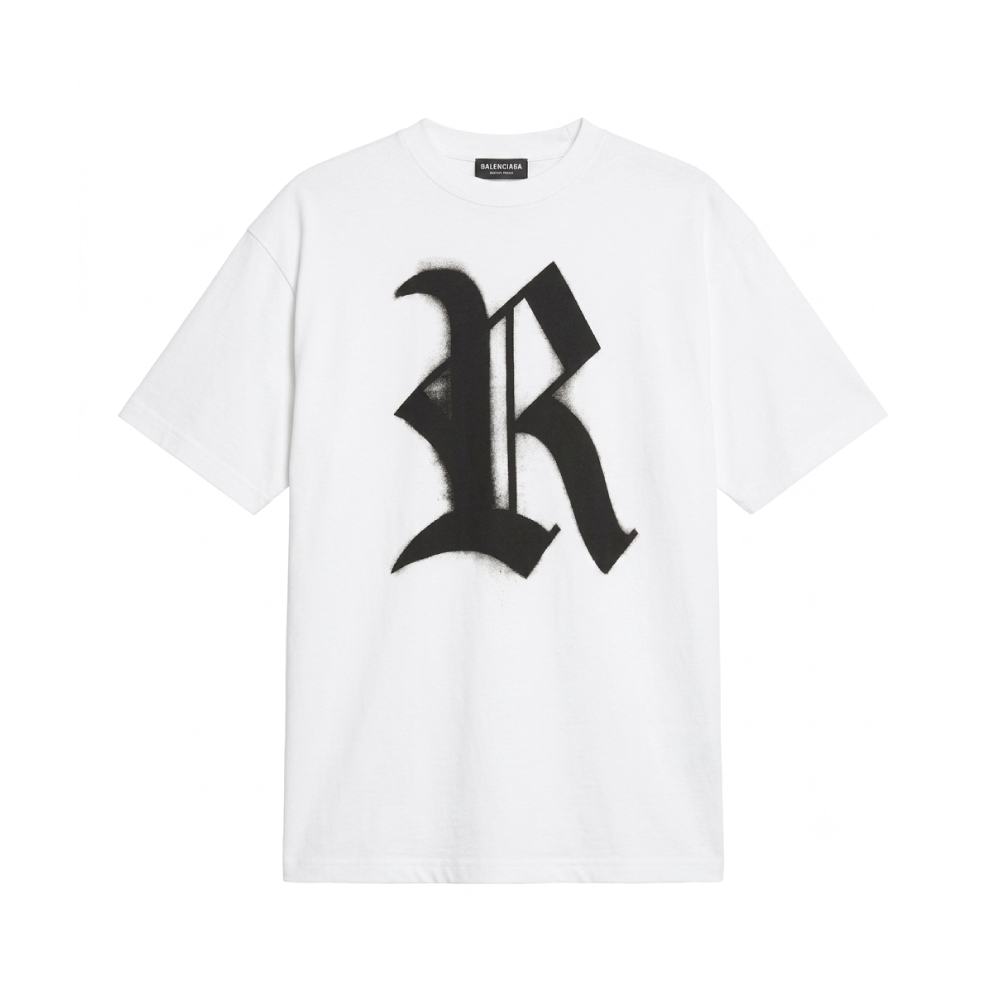
Fashion has a funny way of blurring the lines between what we consider "art" and what we consider "clothing." Few designers have made that blur as intentional, as thoughtful and as culturally resonant as the man behind one of the most talked-about labels in contemporary streetwear. When people talk about pieces that feel more like wearable statements than basic wardrobe fillers, the conversation almost always circles back to Raf Simons. His t-shirts, in particular, have become a kind of shorthand for a specific mindset: one that treats fashion as a canvas for ideas, emotion, and rebellion, rather than just fabric stitched together to cover a body.
The Origins of a Cult Following
To understand why these t-shirts matter so much, it helps to look at where the brand came from. Long before streetwear became a billion-dollar global obsession, there was a designer working quietly at the intersection of fashion and subculture, pulling inspiration from things most luxury houses wouldn't touch teenage rebellion, alternative music scenes and the raw energy of youth who felt like outsiders. That sensibility never really left. Even as the label grew and evolved, the DNA stayed intact.
It's part of why Raf Simons t-shirts feel less like merchandise and more like artifacts from a specific emotional moment. They carry weight. They tell a story. And unlike a lot of designer basics that simply rely on a logo to justify the price tag, these shirts tend to have something to say whether that's through unsettling imagery, cryptic text or nods to films and cultural moments that shaped a generation.
Why the Designs Feel So Different
A lot of streetwear today leans heavily on repetition. Once a brand finds a design that sells, it gets recycled endlessly across different colorways until the excitement fades. That's not really the approach here. Each collection tends to introduce new visual language, new references and new emotional textures. One drop might lean into distorted photography and grainy film stills, while another leans into stark, almost brutalist typography.
This constant evolution is part of what keeps collectors and everyday fans coming back. There's an unpredictability to it; you genuinely don't know what the next design will look like, and that uncertainty is exciting in a fashion landscape that can otherwise feel formulaic. It's also worth noting how texture and fit play into the experience. These aren't just printed shirts; the fabric weight, the cut and the finishing all contribute to a garment that feels intentional from every angle, not just the front-facing graphic.
Streetwear With an Art-School Edge
What separates these pieces from typical streetwear is the sense that every shirt has been through a genuine creative process, almost like a piece of gallery art that happens to be wearable. That art-school sensibility thinking about composition, contrast, and narrative shows up again and again. It's the reason fans often describe wearing one of these shirts as "wearing a mood" rather than simply wearing a top.
A Favorite Among Collectors and Everyday Wearers Alike
It would be easy to assume that anything this design-driven is only for hardcore fashion collectors, but that's not really true. Plenty of people who wear these shirts aren't chasing resale value or rarity; they just connect with the imagery or the message on a personal level. That dual appeal, resonating with both casual wearers and serious collectors, is rare in fashion. Most brands lean one way or the other. Here, both worlds coexist naturally.
Secondhand marketplaces and resale platforms have only added to the mystique. Certain runs become nearly impossible to find and prices can climb well beyond the original retail cost. But even setting aside the resale hype, there's a genuine emotional pull to these pieces that keeps them relevant season after season.
Styling Tips: Making the Statement Piece Work
Because the graphics and typography often carry so much visual weight, styling doesn't need to be complicated. Oversized fits, simple denim and minimal accessories usually let the shirt do the talking. Layering under an open jacket or coat is another popular approach, letting just enough of the design peek through to spark curiosity without overwhelming the outfit.
For those newer to this aesthetic, starting with a more subdued design with subtle typography rather than a bold, loud print can be an easy entry point before working up to more expressive pieces.
FAQs
1. What makes these t-shirts different from other designer streetwear?
The biggest difference is intent. Many designer tees rely on logos or simple branding, while these shirts are built around concepts, imagery and cultural references that change with every collection, giving each piece its own identity.
2. Are these shirts worth the investment?
For fans of the aesthetic, yes the quality, unique design language, and cultural relevance make them stand out. Resale value on certain drops also tends to hold up well, though that shouldn't be the only reason to buy one.
3. How should I care for a graphic tee like this to preserve the print?
Washing inside out in cold water and avoiding high heat when drying will help protect the print and fabric over time, keeping the design crisp for longer.
4. Can these shirts be dressed up, or are they strictly casual?
While they're rooted in streetwear, pairing one with tailored trousers or a structured jacket can create a smart-casual look that still lets the graphic shine.
Conclusion
At the end of the day, what makes these t-shirts so compelling isn't just the name attached to them, it's the philosophy behind every print, cut, and detail. They exist at a genuine crossroads of art and fashion, refusing to be just another basic layer in someone's closet. Whether you're drawn in by the storytelling, the cultural references, or simply the way a shirt makes you feel when you put it on, it's clear why Raf Simons continues to hold such a distinct place in modern streetwear. It's not just clothing, it's a perspective, stitched into cotton and worn proudly by people who understand the difference.