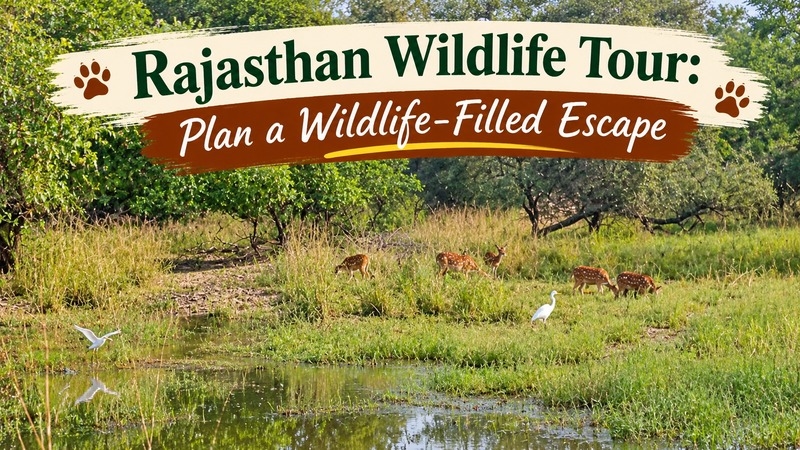
Rajasthan can take you from dry scrub and rocky hills to marshes alive with birds. A Rajasthan Wildlife Tour offers a fresh way to see the state beyond its forts and palaces, with time for forests, wetlands, and desert habitats. Ranthambore and Sariska draw visitors hoping to spot tigers, while Keoladeo is known for its birdlife and Desert National Park for its arid setting and conservation work. Wildlife sightings depend on the season, habitat, and luck, so no park can promise a particular animal. The best trip leaves room to enjoy the smaller details too: tracks in the dust, birds over a lake, or changing light across the hills. Choose parks that suit your interests, check current rules, and plan travel time between stops.
Find the Rajasthan Wildlife Tour That Matches Your Interests
Rajasthan’s varied habitats make it possible to shape a trip around the experience you want. Some visitors focus on forest safaris, while others prefer quiet birdwatching or a look at desert life. Think about the pace you enjoy and how much time you can give each park before choosing your route.
Choose tiger country for a forest safari
Ranthambore National Park and Sariska Tiger Reserve are well-known choices for travelers interested in tiger habitats. Both offer guided safaris through set areas, but an animal sighting is never certain. Even without seeing a tiger, you may spot deer, birds, or signs of wildlife along the route.
The terrain is part of the appeal. Dry forest, open clearings, and rocky slopes create changing views during a drive. Go with patience and curiosity, rather than treating a tiger sighting as the only measure of a good safari.
Explore wetlands and desert habitats
Keoladeo National Park, near Bharatpur, offers a very different outing. Its wetland setting attracts a wide range of birds, and visitors can explore at a slower pace than on a typical vehicle safari. Birdlife changes with the season and water conditions, so check what to expect before you go.
Desert National Park gives you a closer look at arid habitats and the species adapted to them. The area is also linked to efforts to protect the great Indian bustard, a rare bird facing serious conservation challenges. Check current access rules and local guidance before setting out.
Discover the Standout Parks and Their Wildlife
Each park has its own character, so it helps to choose based on more than a headline animal. Forest reserves offer a chance to observe wildlife from a guided vehicle, while wetlands reward careful watching and time outdoors. Park rules, routes, and conditions can change, so confirm details with official sources before booking.
Look beyond tigers in Ranthambore and Sariska
Ranthambore and Sariska feature woodland and dry deciduous forest, with open areas where animals may be easier to spot. A safari might bring views of birds or deer, or signs such as tracks and calls. Guides can help explain what you see, even when larger animals stay out of sight.
Both reserves have designated safari areas and booking procedures. Reserve through authorized channels, and confirm your permitted zone, departure point, and reporting time in advance. A good guide can add context to the landscape and help you follow park rules.
Make time for birds at Keoladeo and in the desert
Keoladeo’s wetlands make it a strong choice for birdwatchers and travelers who enjoy a slower visit. Take binoculars if permitted, move at a relaxed pace, and give yourself time to notice birds at different distances. The best viewing conditions vary with the season and the state of the wetlands.
Desert National Park offers a contrast: dry terrain, sparse plant life, and wildlife suited to harsh conditions. It’s a chance to learn how animals use limited water and shelter. Ask about current routes and conservation guidance, especially if you’re visiting to learn about the great Indian bustard.
Plan a Smoother Rajasthan Wildlife Tour
A well-paced itinerary gives you more time to enjoy each place and less time spent rushing between stops. Distances, road conditions, park schedules, and weather can all affect your plans. Choose a few locations that fit together, then check the details before you book.
Choose a season and itinerary with care
Weather affects comfort and what you may see. Park opening dates, safari hours, and wildlife movement can also change during the year. Check the latest official information for each destination rather than relying on old travel plans or fixed schedules.
Allow enough time for road travel between parks and towns. Trying to fit every reserve into a short visit can leave little time for a safari or a relaxed meal. If birdwatching is a priority, check seasonal conditions at Keoladeo before setting dates.
Book safaris and accommodation responsibly
Use authorized booking channels and read the terms before paying. Confirm which safari area you’ve booked and whether transport to the entry point is included. If plans change, cancellation rules may affect your options.
Choose accommodation based on park access, transport, and the level of comfort you want. A place close to your departure point can make an early safari easier. Ask staff about local rules and use licensed guides or transport providers where available.
Make Every Safari Safer and More Rewarding
Good preparation helps you stay comfortable and focused during a wildlife outing. Conditions can shift between open sun and shaded forest, and some visits involve long periods outside. Follow park instructions throughout the trip.
Prepare for changing conditions in the field
Carry drinking water, sun protection, and clothing suited to the weather. Binoculars can help with distant birds, while a camera is useful if you can use it without distracting others. Check park-specific rules on photography, bags, and equipment before arrival.
Listen to your guide and stay in the vehicle when required. Keep personal items secure, and avoid bringing anything the park does not allow. A little preparation makes it easier to pay attention to the wildlife around you.
Watch wildlife without disturbing it
Keep a respectful distance and speak quietly. Never feed animals, call them, or ask a driver to move closer for a photograph. These actions can stress wildlife and may break park rules.
Stay patient when an animal doesn’t appear. Watch the habitat, listen for calls, and notice tracks or movement in the trees. Respectful viewing protects the animals and makes the outing more enjoyable for everyone.
Extend the Rajasthan Tour with Nature and Culture
Wildlife stops can fit into a wider Rajasthan Tour that includes local towns and heritage sites. The right pairing depends on your route, transport, and available time. Check journey details before adding another stop, and avoid treating long drives as short transfers.
Pair park visits with nearby cultural stops
Research towns, local markets, and heritage sites near your chosen reserve. Around Bharatpur, for example, you can look for nearby places to visit before or after time at Keoladeo. Check opening hours and transport options, since they may vary by day or season.
Leave space in the plan for rest as well as sightseeing. A slower schedule can make early safaris and long drives easier to manage. Select one or two cultural stops that interest you instead of trying to cover too much.
Support local communities and conservation
Choose licensed local guides and businesses when possible. Their knowledge can help you understand local customs and the needs of nearby communities. Follow park rules and ask before taking photos of people or private property.
For conservation information, rely on park authorities or reputable conservation groups. Avoid claims about animal sightings or close encounters that encourage unsafe behavior. Thoughtful choices help keep wildlife viewing respectful and support the people who live near these protected areas.
Conclusion: Take Your Rajasthan Wildlife Tour at a Steady Pace
A Rajasthan Wildlife Tour can include tiger habitat, bird-rich wetlands, or the open spaces of the desert. Choose parks that match your interests, check current official guidance, and book safaris through authorized channels. Leave enough time for travel, and give wildlife the space it needs.
A wider Rajasthan Tour can bring nature and heritage into one trip without rushing either. Pick your first park, confirm the details, and plan a visit that gives you time to observe, listen, and enjoy the place.