Many families across the emirate live in villas built decades ago, solid homes with generous plots but tired layouts, ageing services and finishes that no longer suit modern life. Before spending anything, it helps to get two perspectives: architecture firms in abu dhabi can assess the structure and planning potential, while interior design companies in al ain can show how far a thoughtful refresh might take the existing space. This guide walks through the questions that help you decide whether to renovate, extend or start again.
Start With an Honest Assessment
The renovate-or-rebuild question is rarely about taste alone. It is about what the building can realistically become, how much disruption you can accept, and what each path will cost over the long term.
Look Beyond the Surface
Cracked tiles, dated kitchens and faded paint are cosmetic. They make a home feel old, but they are usually the easiest things to fix. The real questions sit underneath:
· Is the structure sound, or are there signs of cracking, settlement or concrete deterioration?
· Are there damp patches, salt marks or rusting reinforcement?
· How old are the electrical wiring, plumbing and drainage?
· Is the roof well insulated and properly waterproofed?
· Do the air conditioning units and ducting still perform efficiently?
Get a Professional Survey
A structural and services survey is the most valuable early investment you can make. It turns guesswork into facts. If the frame is healthy, renovation becomes far more attractive. If major structural repairs are needed throughout, rebuilding may offer better value.
Signs That Renovation Makes Sense
Renovation is often the smarter choice when the bones of the house are good. Older villas sometimes have advantages new builds lack, such as thicker walls, larger gardens and mature trees.
The Structure Is Healthy
When engineers confirm the frame, foundations and slabs are sound, you can focus your budget on layout, finishes and services instead of rebuilding what already works.
The Layout Only Needs Adjusting
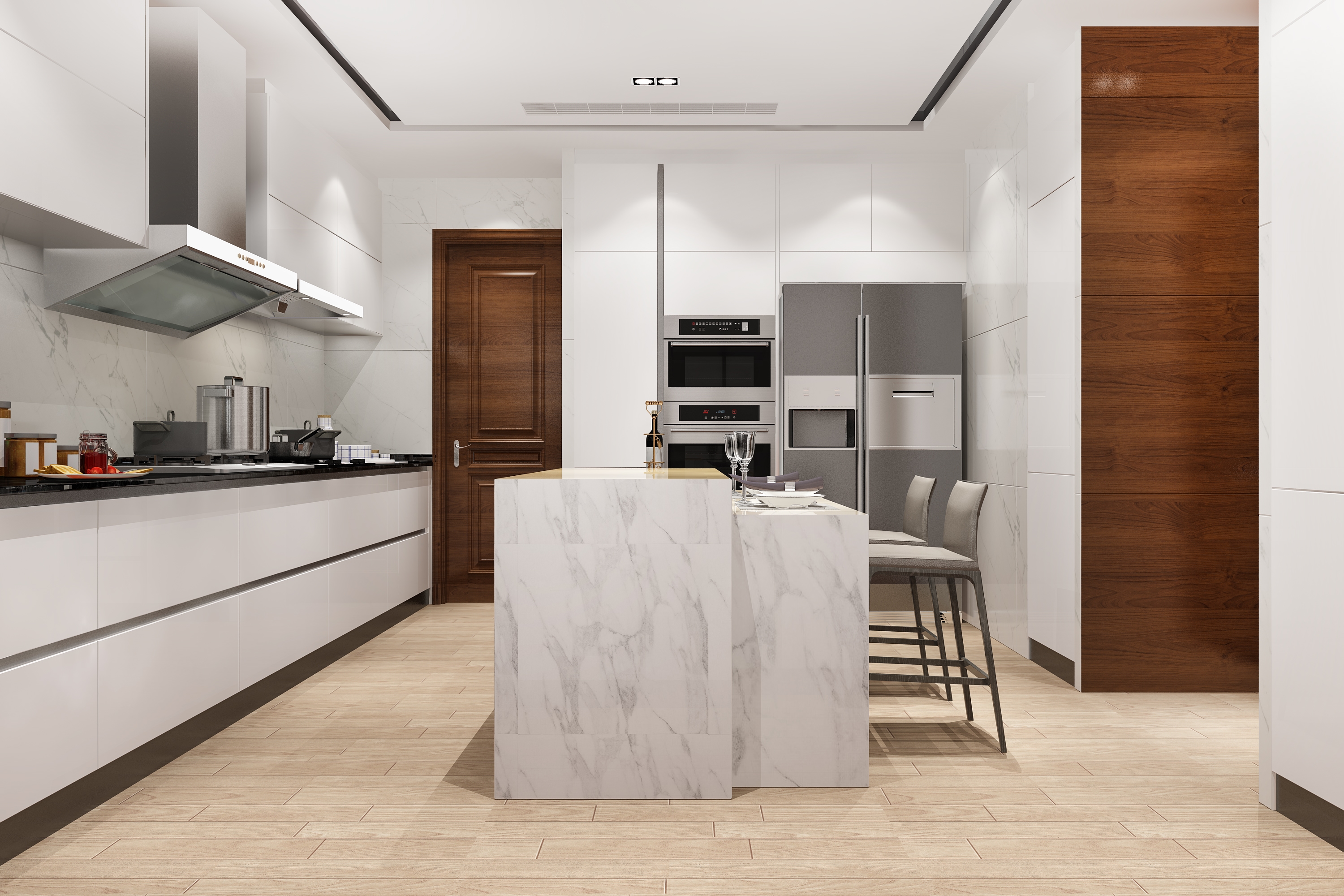
Many older homes suffer from small, closed-off rooms and dark corridors. Removing selected non-structural walls, combining the kitchen with family areas or reworking a staircase can transform how a house feels. Skilled interior design companies in al ain are often able to reorganise flow, storage and lighting without major structural work.
You Value Character and Mature Planting
A shaded garden with established palms and fruit trees takes years to grow. Renovation lets you keep that setting intact, which is especially valuable in a city known for its greenery.
You Want to Stay in the Home
Phased renovation can sometimes be done while the family remains on site, room by room or floor by floor. This is not always comfortable, but it can avoid the cost and upheaval of renting elsewhere.
Signs That Rebuilding Is the Better Path
Sometimes the most expensive option on paper is the most sensible one in practice.
Serious Structural Problems
Widespread concrete decay, corroded steel, or failing foundations can make repairs costly and uncertain. Spending heavily on patching a weak structure rarely pays off.
The Plot Is Underused
Older villas were often designed for different family sizes and lifestyles. If your plot can accommodate a larger or better-arranged home, rebuilding lets you capture that potential properly. Experienced architecture firms in abu dhabi can advise on what current planning rules allow on your plot and how best to use it.
Energy Performance Is Poor
Older buildings may have limited insulation, single glazing and poor orientation. While upgrades are possible, a new build can integrate shading, insulation, efficient cooling and solar-ready roofs from day one, lowering running costs for decades.
The Layout Fights Modern Life
If almost every room needs to move, the stairs are in the wrong place and service areas cut through living spaces, the cost of rearranging everything can approach the cost of starting again.
The Middle Ground: Extend and Remodel
The choice is not always binary. Many families choose a hybrid approach.
Common Hybrid Options
· Keeping the main structure while adding a new wing for a growing family
· Adding a first floor where the structure can support it
· Converting an outdated service block into a guest suite or home office
· Rebuilding only the kitchen and family zone while refreshing the rest
· Creating a new shaded courtyard or terrace that links old and new spaces
A hybrid plan lets you preserve what works and replace what does not. It does, however, require careful coordination so the new and old parts feel like one home.
Comparing Costs and Timelines
Every project is different, so be wary of anyone who offers firm figures before seeing the property. Instead, compare the options using the same set of factors.
Factors to Weigh
· Construction cost, including hidden repairs uncovered during works
· Time on site and how long the family must live elsewhere
· Rental or temporary housing costs during the project
· Approval and permit timelines for each option
· Long-term maintenance and energy savings
· The resale or rental value of the finished home
Plan for the Unexpected
Older buildings often hold surprises once walls and ceilings are opened. A sensible contingency allowance protects your budget and reduces stress when something unexpected appears.
Climate Considerations in the UAE
Whichever path you choose, design for the climate. Long, intense summers place heavy demands on buildings.
Practical Priorities
· Shade west-facing windows with deep overhangs, screens or planting
· Upgrade roof insulation and waterproofing as a first priority
· Use high-performance glazing on exposed elevations
· Plan cross-ventilation for the cooler months
· Choose finishes that resist dust, sun and heavy daily use
Traditional ideas such as courtyards, thick walls and filtered light through mashrabiya-style screens remain highly effective and can be adapted for modern homes.
How Designers and Architects Work Together
The best outcomes come when architectural and interior thinking start at the same time. An architect looks at structure, planning, orientation and services. An interior designer looks at how each space is used day to day, from storage and lighting to materials and furniture.
A Sensible Process
1. Commission a structural and services survey
2. Define your brief: family size, lifestyle, budget and timeline
3. Ask for concept options covering renovation, hybrid and rebuild
4. Compare the options against cost, disruption and long-term value
5. Develop the chosen option in detail before construction begins
When you bring in architecture firms in abu dhabi for the structural and planning side and interior design companies in al ain for the way the home will look and function, the decisions support each other instead of clashing on site.
A Quick Example From Family Life
Imagine a family living in a single-storey villa built in the late nineties. The structure is sound, but the kitchen is cut off at the back, the bedrooms are small, and the majlis is rarely used except during Eid. Their children are growing, and grandparents visit for long stays.
Two Possible Routes
In one scenario, the family keeps the existing frame, opens the kitchen to a new family room, converts the underused majlis into a flexible guest suite, and adds a shaded terrace overlooking the garden palms. This approach, often led by interior design companies in al ain working alongside an engineer, preserves the garden and keeps costs predictable.
In another, the survey reveals failing slabs and outdated services throughout. Here, architecture firms in abu dhabi might recommend a full rebuild on the same plot, with a courtyard plan, better orientation and room for a future first floor. Neither answer is wrong. The survey and the brief decide which one fits.
Questions to Ask Yourself
Before you commit, sit down as a family and talk through a few honest questions:
· How long do we plan to stay in this home?
· What frustrates us most about the current house?
· Can we live elsewhere for a year or more if needed?
· Is keeping the garden and existing character important to us?
· Would we rather spend more now to reduce running costs later?
Your answers will often point clearly towards one path.
Final Thoughts
Deciding between renovation and rebuilding is one of the biggest choices a homeowner can make. The right answer depends on the health of the structure, the potential of the plot, the needs of your family and your appetite for disruption.
Start with facts from a proper survey, explore more than one option, and involve design professionals early. With a clear brief and a realistic budget, an older property can become a comfortable, efficient home that serves your family for many years to come.