
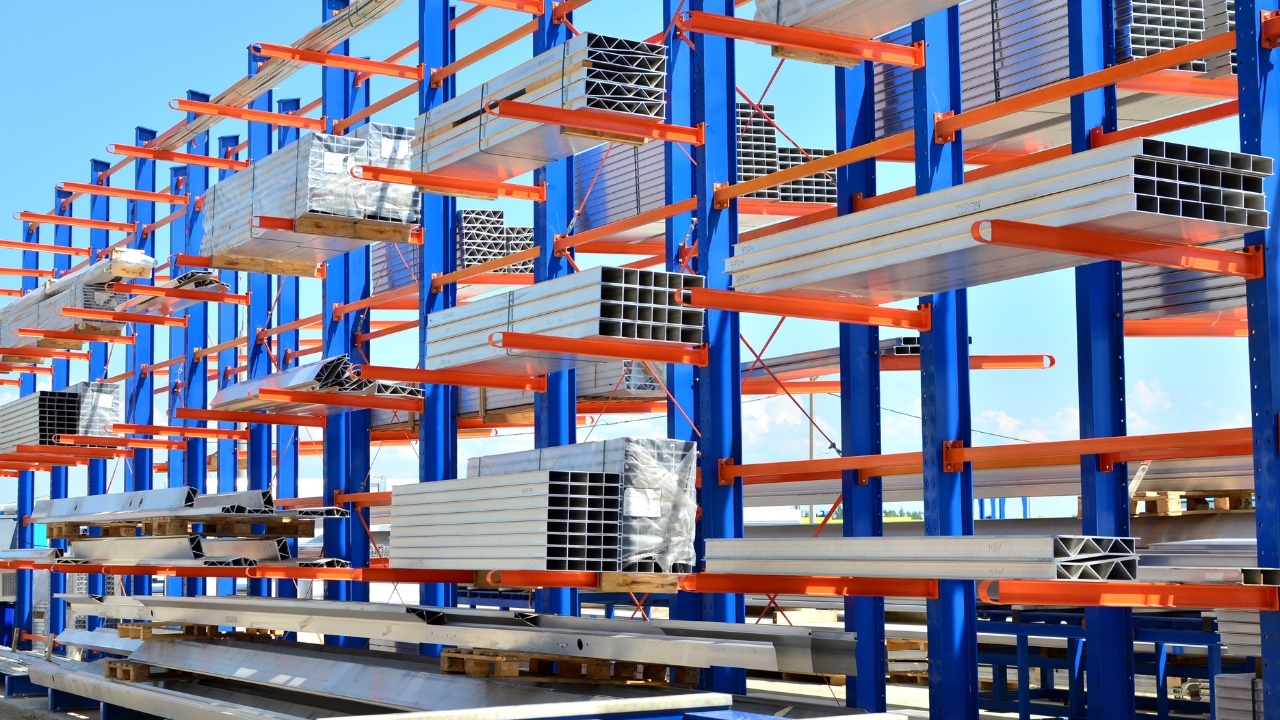
Introduction
Deep Pallet Racking systems are widely used in modern warehouses to increase storage density and maximize available space. However, proper safety practices are essential for smooth operations. With professional solutions from Master Racks Limited, warehouses can implement reliable storage systems while maintaining high safety standards.
Understanding Deep Pallet Racking Systems
Modern warehouses manage large volumes of inventory, making efficient storage systems essential. Deep Pallet Racking allows businesses to store pallets in multiple rows, increasing storage capacity without expanding the warehouse footprint.
Unlike standard pallet racking, deep racking systems store pallets deeper within the rack structure. This design increases storage density but also requires careful handling and safety management.
Companies such as Master Racks Limited design advanced racking systems that support efficient storage while maintaining strong safety standards.
Why Safety is Important in Deep Pallet Racking Operations
High-density storage systems can create additional risks if not managed properly. Improper loading, equipment misuse, or structural damage can lead to accidents and product losses.
Following proper Deep Pallet Racking safety guidelines ensures:
Protection for warehouse workers
Stability of storage structures
Reduced product damage
Efficient warehouse operations
A safe warehouse environment also improves employee confidence and operational productivity.
Common Risks in Deep Pallet Racking Systems
Understanding potential risks helps warehouses implement better safety practices.
Forklift Handling Errors
Forklifts are used frequently in deep racking systems. Incorrect maneuvering can damage rack frames or beams.
Forklift operators must be properly trained to operate equipment safely within narrow rack structures.
Uneven Load Distribution
Improper pallet placement can create uneven weight distribution within racks. This can weaken structural stability and lead to potential rack damage.
Rack Impact Damage
Equipment collisions with racks may cause bent frames or damaged connectors. Even minor impacts should be inspected immediately.
Lack of Regular Inspections
Without routine inspections, small structural issues may remain unnoticed. Over time, these problems can become serious safety hazards.
Implementing proper Deep Pallet Racking safety procedures helps reduce these risks.
Essential Safety Guidelines for Deep Pallet Racking Systems
Conduct Regular Rack Inspections
Routine inspections are essential for maintaining safe warehouse operations.
Warehouse staff should inspect racks regularly for:
Bent or damaged frames
Loose beam connections
Missing safety components
Misaligned rack structures
Professional inspections from experienced companies like Master Racks Limited can help identify hidden structural issues.
Follow Load Capacity Limits
Each rack system has specific load capacity limits that must be followed.
Overloading racks can cause beams to bend or structures to collapse. Clear load labels should be displayed on every rack section.
Proper weight distribution ensures that Deep Pallet Racking systems remain stable and safe.
Train Forklift Operators Properly
Forklift operators play a crucial role in warehouse safety. Operators must be trained to navigate deep racking systems carefully.
Training should include:
Safe forklift maneuvering
Correct pallet placement
Awareness of rack structures
Reporting damage immediately
Well-trained operators reduce the risk of rack damage and workplace accidents.
Maintain Proper Pallet Placement
Incorrect pallet placement can cause imbalance and damage rack structures.
Pallets should be placed evenly on beams and fully supported. Overhanging pallets should be avoided.
Proper pallet positioning maintains structural balance within the Deep Pallet Racking system.
Use Protective Rack Accessories
Rack protection accessories help reduce damage caused by equipment impacts.
Common protective accessories include:
Column protectors
Rack guards
Safety barriers
End-of-aisle protectors
These protective components help prevent damage to rack structures and improve overall warehouse safety.
Companies like Master Racks Limited often recommend installing protective accessories to extend the lifespan of storage systems.
Designing Safe Deep Pallet Racking Systems
Safety begins with proper system design. Well-designed storage systems reduce risks and improve warehouse operations.
Structural Strength and Durability
Racks must be built using durable materials capable of supporting heavy loads.
Strong structural engineering ensures that Deep Pallet Racking systems remain stable even under demanding conditions.
Proper Rack Anchoring
Racks must be securely anchored to the warehouse floor to prevent shifting or collapse.
Professional installation ensures that racks remain stable during daily operations.
Adequate Aisle Width
Forklifts require sufficient aisle space to maneuver safely.
Proper aisle width reduces the risk of collisions and improves equipment movement.
Experts at Master Racks Limited carefully design warehouse layouts to ensure safe equipment access.
Clear Safety Signage
Safety signs help workers understand proper rack usage and load limits.
Clear signage reminds employees to follow safety procedures and maintain responsible storage practices.
Preventing Damage to Deep Pallet Racking Systems
Preventive measures help warehouses maintain long-lasting storage systems.
Install Rack Protection Systems
Rack guards and barriers protect rack frames from forklift impacts.
Monitor Rack Alignment
Misaligned racks may indicate structural stress or improper installation.
Regular monitoring helps identify issues early.
Replace Damaged Components
Damaged beams, connectors, or frames should be replaced immediately.
Ignoring minor damage can lead to more serious structural problems later.
Maintaining a safe Deep Pallet Racking system protects both inventory and warehouse workers.
Maintenance Practices for Long-Term Safety
Regular maintenance helps ensure that storage systems remain safe and reliable.
Maintenance practices may include:
Checking rack alignment
Inspecting structural components
Replacing worn connectors
Monitoring load distribution
Routine maintenance extends the lifespan of racking systems and supports consistent warehouse operations.
Companies such as Master Racks Limited often provide expert guidance on maintaining safe storage systems.
The Role of Warehouse Management in Rack Safety
Warehouse managers play a critical role in maintaining rack safety.
Their responsibilities include:
Enforcing safety guidelines
Scheduling routine inspections
Training employees
Monitoring rack conditions
Effective management ensures that Deep Pallet Racking systems remain safe and efficient.
Future Safety Improvements in Warehouse Racking Systems
As warehouse technology continues to evolve, safety features are also improving.
Modern storage systems may include:
Smart rack monitoring sensors
Automated inspection systems
Digital load monitoring tools
These technologies help warehouse managers detect potential issues before they become serious problems.
Companies like Master Racks Limited continue to support modern safety standards by providing durable and reliable storage solutions.
Conclusion
Deep Pallet Racking systems provide efficient high-density storage for modern warehouses. However, safety practices are essential for maintaining reliable operations. With proper training, regular inspections, and expert solutions from Master Racks Limited, businesses can ensure safe and efficient warehouse environments.