Every successful field operation begins with a well-organized calendar. Technicians may be highly skilled, but their productivity can decline when appointments overlap, travel routes are inefficient, or urgent requests constantly disrupt the day. Effective service scheduling helps businesses match available workers with customer needs while keeping workloads realistic.
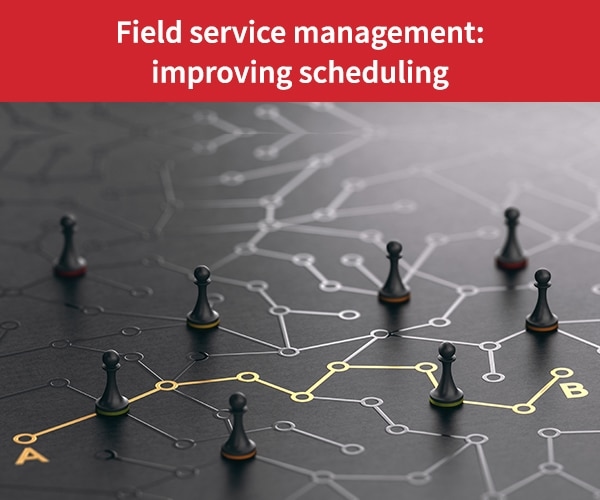
Good scheduling is more than filling empty time slots. It involves balancing skills, locations, availability, urgency, and customer expectations.
Why Scheduling Becomes Complicated Quickly
A simple schedule might work when only a few appointments occur each day. Complexity increases as the business grows.
One technician may have the required expertise but be located far from the customer. Another may be nearby but unavailable. Meanwhile, emergency work could appear and require immediate attention.
Effective service scheduling helps coordinators consider these variables before assigning work.
The result can be a more organized workday with fewer unnecessary disruptions.
Matching Skills With Jobs
Not every technician is suitable for every assignment.
Certain jobs may require specialized training, equipment knowledge, certifications, or experience. Service scheduling becomes more effective when managers consider technician capability instead of assigning work solely according to availability.
Sending the right worker initially can reduce repeat visits and improve first-time completion.
Reducing Unnecessary Travel
Travel time can consume a significant portion of a field worker’s day.
Poorly planned appointments might send a technician across a large area several times, even when nearby jobs could have been grouped together.
Location-aware service scheduling helps managers create more practical daily routes.
Reducing unnecessary travel can give technicians more productive time and make appointment windows easier to manage.
Building Realistic Appointment Windows
Scheduling too many jobs creates pressure across the entire workday.
One appointment running longer than expected can delay every job afterward. Customers receive later service, technicians feel rushed, and dispatchers spend additional time communicating delays.
Better service scheduling considers realistic job duration rather than simply maximizing the number of appointments.
Buffer time can also help absorb unexpected situations.
Responding to Urgent Requests
Even a carefully planned schedule will change.
Emergency repairs, cancellations, customer requests, employee absences, and jobs taking longer than expected are normal parts of field operations.
Flexible service scheduling helps businesses adjust assignments without completely disrupting the existing calendar.
Managers can evaluate available capacity and decide which technician can respond with the least impact on other appointments.
Improving the Technician Experience
Scheduling affects employees as much as customers.
Technicians working with unrealistic calendars may feel constant pressure to rush between jobs. Poor routing and frequent last-minute changes can also create frustration.
Thoughtful service scheduling gives field employees a clearer understanding of their day.
When workers receive organized assignments and sufficient information before arriving, they can focus more attention on performing quality work.
Supporting Better Preparation
Preparation influences service quality.
Knowing what type of job is coming next allows technicians to review information and ensure they have appropriate tools or materials available.
A structured service scheduling process can connect appointment planning with job details so workers are better prepared before reaching the customer.
Creating a More Reliable Customer Experience
Customers value reliability.
They want appointment times that are realistic and communication that reflects what is actually happening. Scheduling mistakes can quickly damage customer confidence.
Effective service scheduling can reduce missed appointments and make arrival expectations more predictable.
When changes do occur, organized schedules also make it easier for office teams to communicate alternatives.
Measuring Scheduling Performance
Improvement requires understanding what happens in practice.
Managers can examine whether jobs regularly exceed estimated durations, whether technicians spend excessive time traveling, or whether certain periods consistently become overloaded.
Reviewing these patterns can help businesses refine service scheduling over time.
Historical information may also improve future planning by revealing realistic appointment lengths for different types of work.
Planning Capacity More Accurately
Scheduling data can highlight staffing needs.
If certain days, regions, or service categories consistently exceed available capacity, managers can identify the pattern instead of relying on assumptions.
Better service scheduling therefore supports broader workforce planning decisions.
Conclusion
Scheduling shapes almost every part of field service performance. It influences technician productivity, travel efficiency, customer satisfaction, and the organization’s ability to handle unexpected work.
Effective service scheduling combines employee availability, location, skills, job duration, and customer requirements into a practical daily plan.
By treating service scheduling as an operational strategy rather than a basic calendar task, field organizations can create more balanced workloads, respond more effectively to change, and deliver a more dependable service experience.