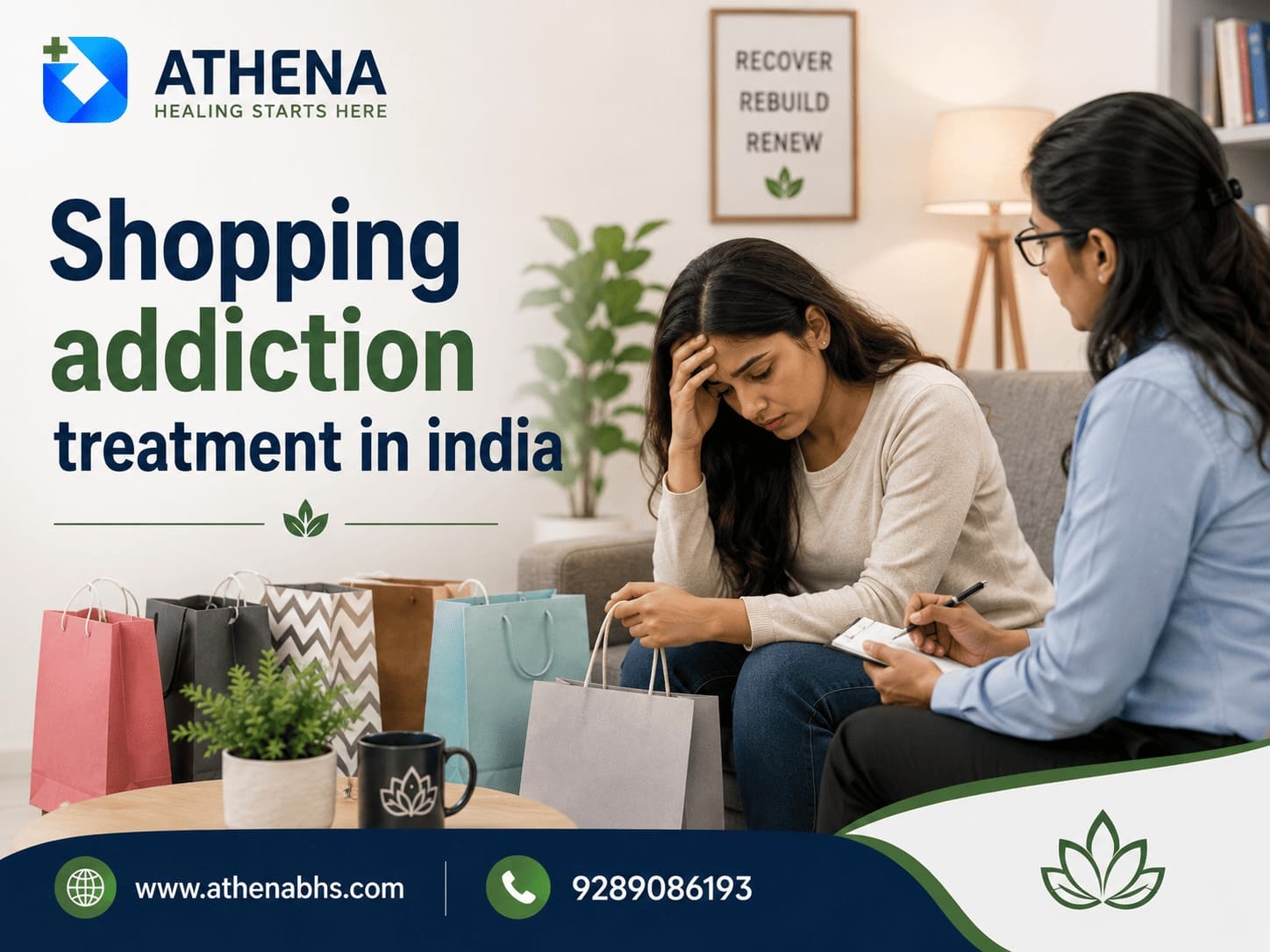
Shopping can be an enjoyable and practical activity, but for some people, buying things can become difficult to control. Repeated, unnecessary purchases may provide temporary excitement or emotional relief but can eventually lead to financial stress, relationship conflicts, guilt, anxiety, and difficulties in daily life. When shopping becomes compulsive and continues despite negative consequences, professional support may be helpful.
Shopping addiction treatment in India focuses on understanding the psychological and behavioral factors behind compulsive shopping and developing healthier ways to manage emotions, impulses, and spending habits. With appropriate counseling and behavioral support, individuals can work toward greater control and a more balanced relationship with shopping.
What Is Shopping Addiction?
Shopping addiction, often associated with compulsive buying behavior, involves a persistent urge to shop or purchase items despite knowing that the behavior may create problems. A person may buy products they do not need, spend beyond their budget, hide purchases from family members, or experience regret after shopping.
Online shopping can make this behavior more difficult to manage because products are available around the clock and purchasing can happen within minutes. Notifications, discounts, advertisements, and personalized recommendations may also encourage repeated buying.
Shopping addiction is not simply about enjoying shopping. The key concern is the loss of control and the negative impact the behavior has on a person's emotional, financial, social, or professional life.
Common Signs of Shopping Addiction
Recognizing warning signs can encourage a person to seek help at an earlier stage. Common signs may include:
Frequent purchases of unnecessary items
Feeling a strong urge to shop when experiencing stress or sadness
Spending more money than originally planned
Repeated unsuccessful attempts to stop or reduce shopping
Feeling temporary excitement or relief after making purchases
Experiencing guilt, shame, or regret afterward
Hiding purchases or financial information from family members
Accumulating unused or unopened products
Experiencing financial difficulties because of shopping
Using shopping to escape loneliness, anxiety, boredom, or emotional discomfort
These behaviors do not automatically indicate an addiction. A qualified mental health professional can assess the person's circumstances and determine whether professional treatment is appropriate.
Why Does Shopping Addiction Develop?
There is no single reason why compulsive shopping develops. Psychological, emotional, social, and behavioral factors can all contribute.
Some individuals may use shopping as a way to cope with stress, loneliness, low self-esteem, boredom, anxiety, or other uncomfortable emotions. The temporary pleasure associated with purchasing something can reinforce the behavior, making the person more likely to shop again when experiencing similar emotions.
Over time, shopping may become a repetitive coping mechanism rather than a practical activity. Identifying these triggers is an important part of shopping addiction treatment.
Shopping Addiction Treatment in India
Effective shopping addiction treatment in India generally involves a personalized approach based on the individual's symptoms, triggers, lifestyle, and emotional needs.
Treatment may include several components.
Psychological Assessment
A professional assessment can help identify compulsive shopping patterns and possible underlying concerns. The evaluation may consider emotional health, spending habits, relationships, financial difficulties, and other behavioral or psychological factors.
Cognitive Behavioral Therapy
Cognitive Behavioral Therapy (CBT) can help individuals recognize thoughts and emotional triggers associated with excessive shopping. Therapy may focus on identifying impulsive thinking, challenging unhelpful beliefs, developing healthier coping strategies, and learning techniques to manage urges.
Behavioral Strategies
Behavioral approaches can help individuals introduce practical boundaries around shopping. These may include creating spending plans, delaying purchases, removing unnecessary shopping applications, identifying triggers, and developing alternative activities.
The objective is not simply to avoid shopping altogether. Instead, treatment aims to develop healthier and more controlled shopping behaviors.
Emotional Regulation
If shopping is being used to manage stress, sadness, loneliness, or other emotions, therapy can help individuals develop healthier ways to respond to those feelings. Learning effective coping skills can reduce dependence on shopping as an emotional outlet.
Family Counseling
Compulsive shopping can affect partners and family members, particularly when it creates financial problems or secrecy. Family counseling can improve communication, encourage understanding, and help establish appropriate boundaries and support systems.
Choosing Shopping Addiction Treatment Centers
When considering shopping addiction treatment centers, look for professional mental health services that understand behavioral addictions and provide individualized care.
A suitable shopping addiction treatment center in India should ideally offer qualified mental health professionals, psychological assessment, counseling, behavioral therapy, and appropriate follow-up support.
It is also important to choose a confidential and supportive environment where individuals feel comfortable discussing sensitive concerns such as spending habits, financial stress, and emotional triggers.
Benefits of Behavioral Addiction Treatment
Behavioral addiction treatment can help individuals develop practical skills for managing compulsive behaviors. Potential benefits include:
Better control over shopping urges
Improved emotional coping skills
Healthier spending habits
Reduced impulsive decision-making
Better understanding of personal triggers
Improved relationships with family members
Greater financial awareness
Improved confidence and self-control
Development of healthier daily routines
Recovery is a gradual process. Consistent therapy, self-awareness, and appropriate support can help individuals maintain positive behavioral changes.
When Should You Seek Professional Help?
Professional help may be appropriate when shopping repeatedly causes financial difficulties, relationship problems, emotional distress, or interference with everyday responsibilities.
If someone has repeatedly tried to control their shopping but cannot do so, seeking an assessment from a mental health professional can be a useful first step. Early intervention may help address the behavior before its consequences become more serious.
People researching the Best Mental Health Center in India or Best Mental Hospital in India should focus on the quality of professional care, qualifications of clinicians, individualized treatment planning, confidentiality, and continuity of support rather than relying only on promotional claims.
Why Choose Athena Behavioral Health?
Athena Behavioral Health provides professional mental health and behavioral care in a confidential and supportive environment. Treatment is tailored to the individual's concerns, emotional needs, behavioral patterns, and recovery goals.
For individuals seeking shopping addiction treatment in India, professional counseling can provide a structured setting to understand compulsive buying behavior and develop healthier strategies for managing urges and emotions.
Building a Healthier Relationship With Shopping
Shopping does not have to be completely eliminated from everyday life. The goal of treatment is generally to develop a balanced and responsible relationship with purchasing.
With professional support, individuals can learn to recognize emotional triggers, manage impulses, make more thoughtful decisions, and develop healthier ways to cope with stress and difficult emotions.
If compulsive shopping is affecting your finances, relationships, emotional well-being, or daily responsibilities, consider speaking with a qualified mental health professional. Appropriate shopping addiction treatment can provide the guidance and behavioral strategies needed to work toward lasting change.


