
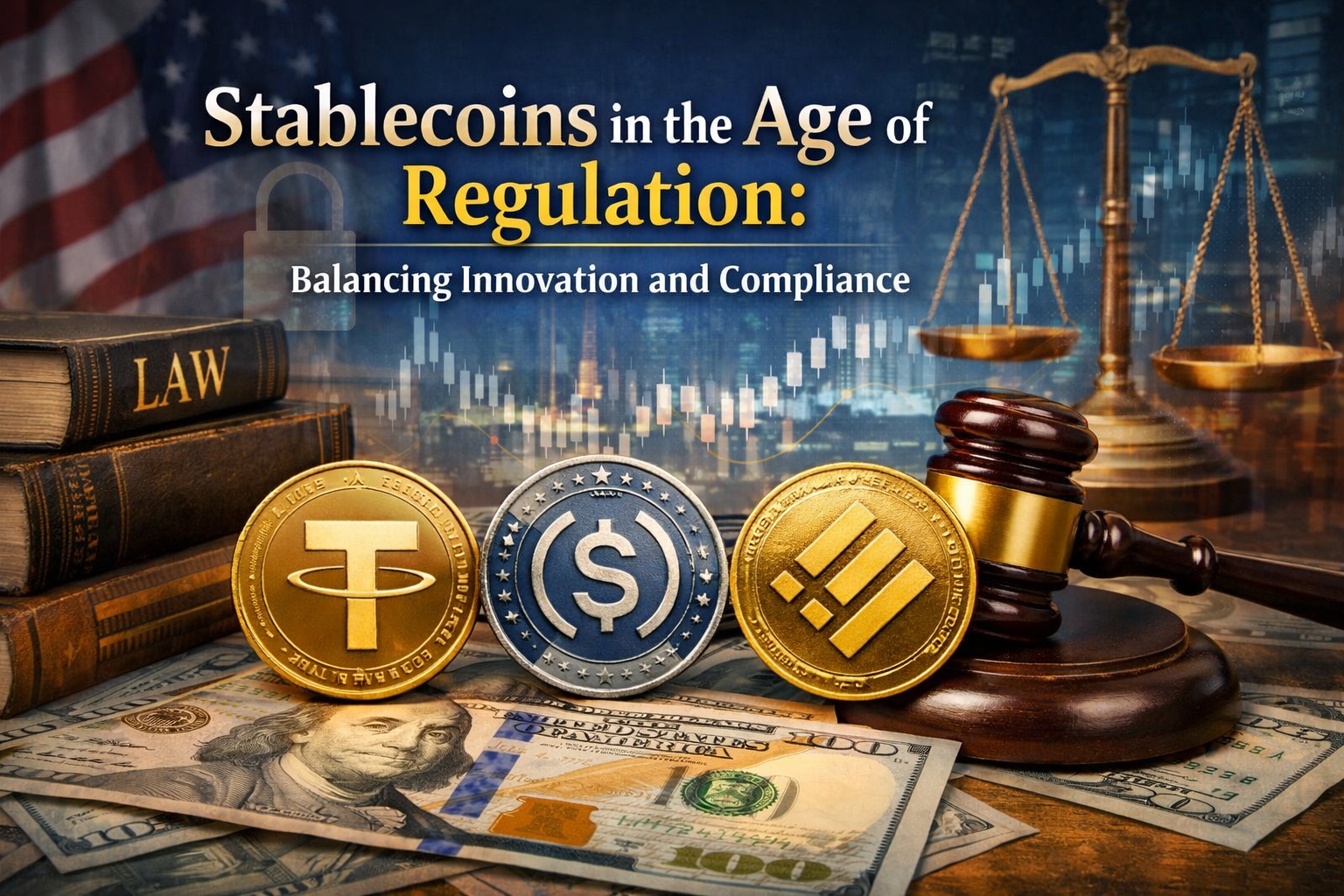
Stablecoins have quietly become one of the most critical layers in the digital finance stack. What started as a simple mechanism to reduce volatility in crypto trading has now evolved into a full-fledged infrastructure component powering payments, decentralized finance, and tokenized asset ecosystems. But with this growth comes scrutiny. Regulators are no longer treating stablecoins as experimental tools—they are being evaluated as financial instruments with real economic impact.
This shift is forcing the industry to rethink how stablecoins are built and operated. The conversation is no longer just about speed and scalability. It is now about trust, accountability, and long-term sustainability.
Why Stablecoins Matter More Than Ever
The importance of stablecoins today goes beyond their peg to fiat currencies. They act as liquidity anchors in decentralized markets and enable seamless movement of value without relying on traditional banking rails. For businesses, they offer a practical solution for cross-border transactions, eliminating delays and reducing dependency on intermediaries.
In decentralized finance, stablecoins are used as collateral, settlement assets, and liquidity pairs. Without them, most DeFi protocols would struggle to function efficiently. At the same time, enterprises are beginning to explore stablecoins for real-world applications such as payroll, vendor payments, and treasury operations.
This growing reliance makes one thing clear: stablecoins are no longer optional components. They are foundational.
The Rising Wave of Regulation
As stablecoins gain traction, regulators are stepping in to define clear boundaries. The concern is not just about innovation, but about the potential risks tied to large-scale adoption. Questions around reserve backing, liquidity, and redemption rights have pushed policymakers to act more decisively.
Some of the key areas where regulatory attention is increasing include:
Transparency of reserves – ensuring that every issued token is backed by verifiable assets
Operational accountability – identifying who is responsible for issuance and management
User protection mechanisms – enabling reliable redemption without delays or restrictions
Financial crime prevention – enforcing identity verification and transaction monitoring
These measures are not designed to stop innovation. Instead, they aim to create a safer environment where stablecoins can scale without introducing systemic risks.
Building Compliance into the Core
One of the biggest shifts in the industry is the move toward compliance-first design. Instead of treating regulation as an afterthought, developers are now integrating compliance mechanisms directly into the architecture of stablecoins.
This includes embedding identity layers, audit trails, and monitoring tools within the system itself. The goal is to ensure that every transaction, every issuance, and every redemption follows predefined rules without requiring manual intervention.
For businesses entering this space, working with a Stablecoin Development company that understands both technology and regulatory expectations is essential. It is not just about writing smart contracts—it is about designing systems that can operate confidently under scrutiny.
This approach is gradually becoming the standard, especially for projects targeting institutional adoption.
Innovating Within Boundaries
Regulation often gets a bad reputation for slowing things down. But in reality, it is shaping a more disciplined and sustainable form of innovation. Instead of chasing rapid, unchecked growth, projects are focusing on building systems that can stand the test of time.
Two noticeable shifts are taking place:
Smarter protocol design
Systems are being built with flexibility to adapt to different regulatory environments
Developers are prioritizing security, auditability, and upgradeability from day one
Controlled decentralization
Projects are finding ways to maintain transparency while introducing necessary oversight
Governance models are evolving to include both community input and regulatory alignment
This doesn’t mean innovation is slowing down. If anything, it is becoming more refined. The focus is shifting from “what can be built” to “what should be built.”
What the Future Holds
The next phase of stablecoin growth will likely be defined by collaboration rather than conflict. Regulators, developers, and financial institutions are all trying to solve the same problem—how to create a system that is efficient, secure, and widely trusted.
We can expect to see stronger alignment between stablecoins and traditional financial systems. This could include deeper integration with banking infrastructure, increased interoperability, and clearer global standards. At the same time, advancements in compliance technology will make it easier to meet regulatory requirements without compromising user experience.
Stablecoins are not going away. They are evolving. And the projects that succeed will be the ones that understand how to operate responsibly within a regulated environment.
Conclusion
Stablecoins are at a turning point. Their future will not be defined by how fast they grow, but by how well they adapt. Balancing innovation with compliance is no longer optional—it is necessary.
The real opportunity lies in building systems that combine the efficiency of blockchain with the reliability of traditional finance. When done right, this balance does more than satisfy regulators. It builds trust. And in finance, trust is everything.