
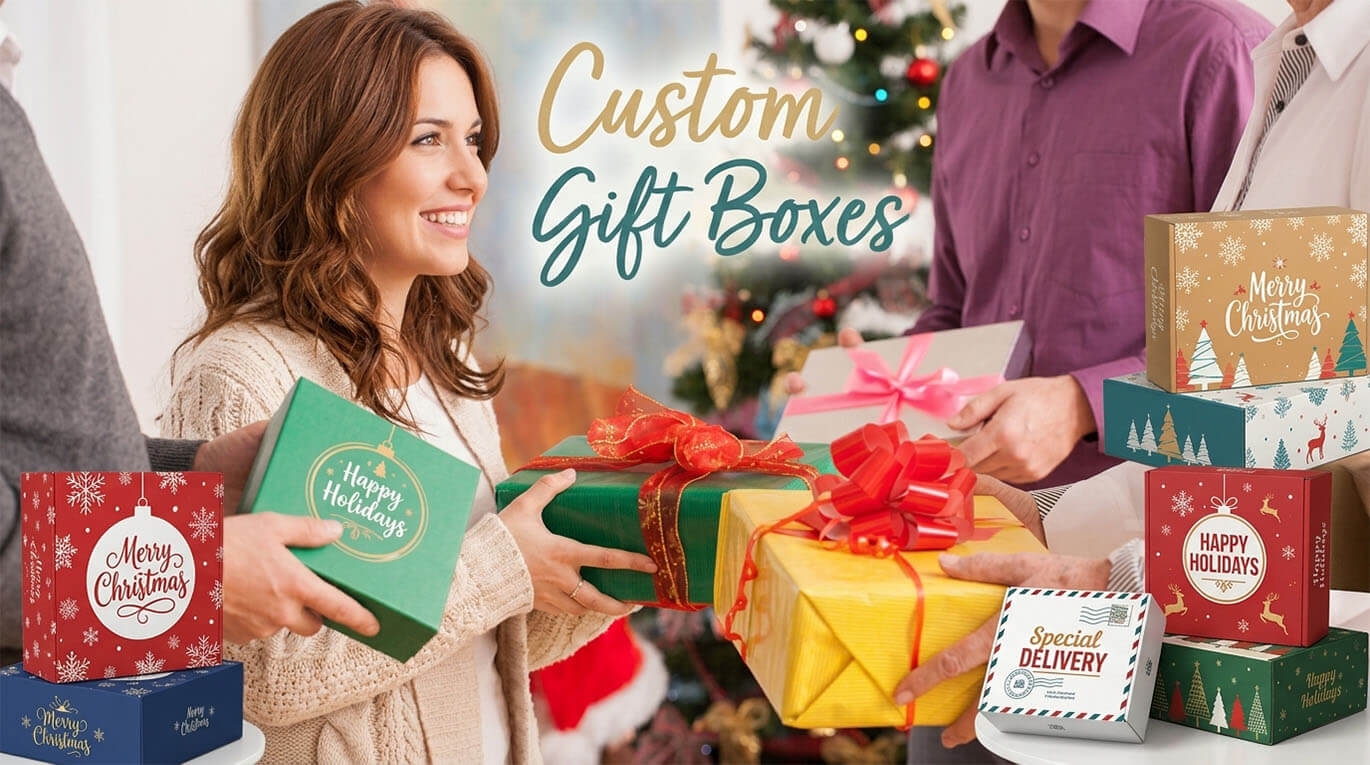
A gift rarely gets judged on its contents alone. The moment someone lifts the lid matters just as much, which is why custom gift boxes have become one of the most overlooked yet valuable investments a brand can make. I've worked with independent retailers, subscription box companies and corporate gifting services across the UK, and the pattern is consistent: brands that get their packaging right see stronger repeat purchases and far more organic social media attention than those relying on generic boxes.
This guide walks through the practical decisions that actually matter when choosing gift packaging, from material and structure to branding and finishing touches, so you can order boxes that genuinely reflect the quality of what's inside them.
Why Gift Box Choice Matters More Than Most Brands Realise
Gifting is an emotional purchase, and the packaging plays a direct role in that emotional experience. A beautifully presented box signals care and thoughtfulness before the recipient even sees the product, while a flimsy or generic one can undercut an otherwise excellent gift.
A few realities worth understanding before you choose packaging:
Unboxing has become part of the gift itself. Many recipients photograph the moment of opening a box, especially for subscription services, corporate gifts and special occasion ranges.
Perceived value shifts with presentation. A modest product in beautifully designed packaging often feels more premium than an expensive one in plain packaging.
Reusability extends your brand's reach. A sturdy, attractive box often gets kept and reused, keeping your branding visible long after the original purchase.
None of this means every gift needs an elaborate box. It means the packaging choice should be deliberate, matched to the product and the occasion.
Step 1: Define the Purpose of the Box
Before looking at materials or finishes, it helps to be clear about what the box actually needs to achieve. This single step prevents most of the costly reordering mistakes I see from growing brands.
Ask yourself:
Is this for retail shelf display, direct shipping, or both? A box designed purely for in-store display doesn't need the same structural strength as one going through a courier network.
What's the product's size, weight and fragility? Delicate items like glassware or ceramics need rigid stock and internal padding, while soft goods can use lighter card.
Will this be a one-off purchase or a repeat subscription experience? Subscription and repeat-gifting brands benefit from consistent, recognisable packaging that builds anticipation over time.
Step 2: Choose the Right Material
Material choice shapes both the look and the practical performance of your gift box, and it's worth understanding the main options before committing to a supplier's default.
Rigid or Premium Card
Thicker and sturdier than standard card, rigid stock is the go-to choice for luxury gifting, jewellery and premium cosmetics. It costs more per unit, but it fundamentally changes how a product feels the moment someone lifts the lid.
Kraft and Recycled Card
A natural, unbleached finish has become a popular choice for brands wanting to signal sustainability and authenticity. It suits artisan, eco-conscious and lifestyle brands particularly well.
Corrugated Card
The practical choice when a gift also needs to survive shipping. Its layered structure offers genuine protection without adding excessive weight, making it ideal for e-commerce gifting ranges.
Step 3: Decide on Structure and Closure
Once the material is settled, the box's structure determines how it performs day to day, both for your team packing orders and for the customer receiving them.
Two-piece rigid boxes offer a premium base-and-lid presentation, often used for flagship gift sets or corporate gifting.
Magnetic closure boxes add a satisfying tactile element that elevates the unboxing experience without requiring extra assembly steps.
Collapsible or self-assembling boxes suit brands that need efficient storage and quick packing during busy seasonal periods.
Window boxes let the product sell itself, which works particularly well for visually appealing items like chocolates, flowers or cosmetics.
Step 4: Get the Branding and Finish Right
Printing and finishing is where a lot of budget gets wasted through avoidable mistakes, so it's worth approaching this stage carefully.
Keep Branding Confident, Not Cluttered
A logo and one or two supporting design elements usually outperform a box crowded with text and graphics. Gift packaging, in particular, benefits from restraint, since the recipient's attention should land on the product, not compete with it.
Choose Finishes That Match Your Positioning
Matte finishes tend to suit understated, premium brands, while gloss or foil detailing suits bolder, celebratory gifting ranges. A small embossed logo often adds more perceived value than a large printed one.
Request a Physical Sample Before Committing
Screen proofs rarely capture how colour, texture and card thickness actually come together once folded into a real box. A sample stage, even for a small additional cost, prevents expensive surprises at full production volume.
Common Mistakes to Avoid
Ordering before finalising product dimensions. A box that's slightly too tight damages delicate items, while one that's too large allows movement during transit.
Prioritising design over structural fit. A stunning box that fails to protect the product costs far more in returns and damaged reputation than it saves in design fees.
Ignoring shipping weight. Heavier premium materials increase courier costs significantly at volume, which matters for brands shipping nationally.
Skipping sustainability conversations early. Retrofitting eco-credentials after a design is finalised is usually more expensive than building them in from the start.
Practical Questions to Ask Your Supplier
What's the minimum order quantity? Smaller or seasonal gifting brands often need more flexibility than standard bulk pricing allows.
What's the realistic turnaround time? Gifting brands frequently face seasonal peaks, so confirm lead times well ahead of your busiest periods.
Are there setup or plate charges for custom sizing? Some suppliers waive these above a certain order value, which is always worth asking about directly.
What happens if the final print doesn't match the proof? A reputable supplier will have a clear revision or reprint policy in place.
Final Thoughts
Custom gift boxes do far more than hold a product; they shape how a gift feels the moment it's received, and that first impression often outlasts the memory of the price paid. Getting the material, structure and branding right turns packaging from a background cost into a genuine extension of your brand's identity.
If you're ready to move from research to a real quote, get in touch with a trusted packaging supplier, share your product dimensions, and request a sample before committing to a full production run. It's a small step that makes a lasting difference to how your gifts are remembered.




