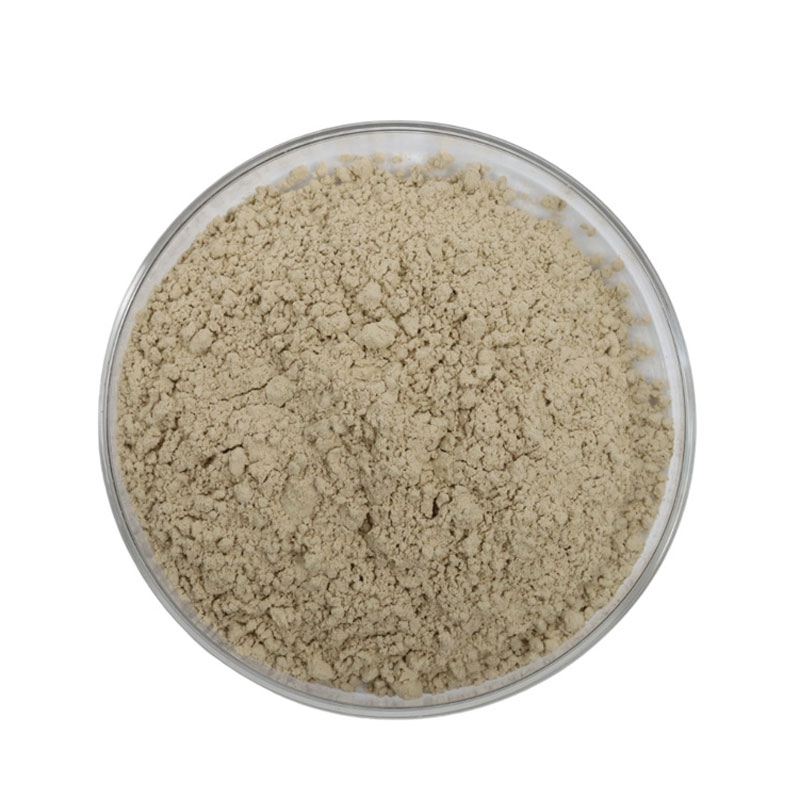
For years, the root of Panax notoginseng—a revered herb in traditional Chinese medicine—has dominated the global botanical spotlight. But a shift is happening. The stems and leaves of this plant, once considered agricultural by-products, are now being recognized as a valuable source of unique bioactive compounds, particularly saponins . This has opened a new frontier for businesses looking to source innovative and effective ingredients for the functional food, nutraceutical, and supplement markets.
For companies ready to explore this opportunity, China remains the primary sourcing hub. However, sourcing notoginseng leaf extract requires a different approach than buying standard root powder. Here’s what you need to know to navigate the wholesale landscape.
A New Resource with Proven Applications
The growing interest in notoginseng leaf extract is driven by a body of emerging research. While the root has been used for centuries to support circulation and stop bleeding, the above-ground parts are revealing their own distinct potential. Recent studies have shown that the leaf extract, rich in notoginsenosides, can have a significant impact on sleep quality. In a zebrafish model of insomnia, the extract reduced hyperactive swimming behavior by over 54% and demonstrated the ability to increase both GABA and melatonin levels in the brain . This suggests a genuine modulating effect on the central nervous system.
The applications extend beyond human health. Research in animal science has also found that supplementing the diet of weaned piglets with notoginseng leaf extract led to better growth performance and improved intestinal health, demonstrating its potential in veterinary and agricultural sectors . This broad range of applications is prompting formulators to look at this extract in a new light.
What You're Buying: Understanding the Active Compounds
When sourcing this extract, you're primarily buying its saponin content. Suppliers commonly offer extracts with specifications ranging from 10% to over 90% total saponins, tested via HPLC . One of the key marker compounds often highlighted is ginsenoside Rb3, which can be standardized to 12% or higher .
However, it is critical to distinguish between standard root extract and leaf/stem extract. While both contain saponins, the profile is different. The leaf is particularly rich in specific compounds like Rb3 and Rc, which are less abundant in the root. A reputable supplier will clearly state the part of the plant used (leaf or stem) on their specifications and CoA . This transparency is non-negotiable because the applications and efficacy profiles can differ.
The Supplier Landscape in China
The market for notoginseng leaf extract is specialized. The raw material is primarily sourced from Yunnan and Guangxi provinces, where the plant is cultivated . Chinese suppliers are developing advanced processing methods, including a focus on low-pesticide residue extraction technologies. This is particularly important for ginseng-related products, and some manufacturers have invested in proprietary techniques to meet stringent standards like EC396, EP, and USP561 .
When evaluating a wholesale partner, look for those who offer more than just a commodity product. Key indicators of a quality supplier include:
Detailed Testing: A full Certificate of Analysis (CoA) should confirm the saponin profile, particle size, loss on drying, and heavy metal content .
Transparency: They should clearly specify the plant part used and the extraction solvent (typically water or alcohol) .
Customization: Many top-tier suppliers now offer OEM/ODM services, allowing you to specify custom ratios, mesh sizes, or even develop a finished product like capsules or gummies .
Industry Certifications: Look for ISO 9001, GMP, and FSSC 22000 certifications, which demonstrate a commitment to quality management and food safety .
The Bottom Line
Sourcing notoginseng leaf extract is a move into a more sophisticated corner of the botanical ingredients market. The science is supporting its use for sleep, metabolism, and more, and Chinese suppliers are at the forefront of its development. The key to success lies in moving beyond price per kilogram and focusing on the supplier's ability to provide a consistent, well-documented, and high-purity product that delivers the specific saponin profile your formulation requires.