
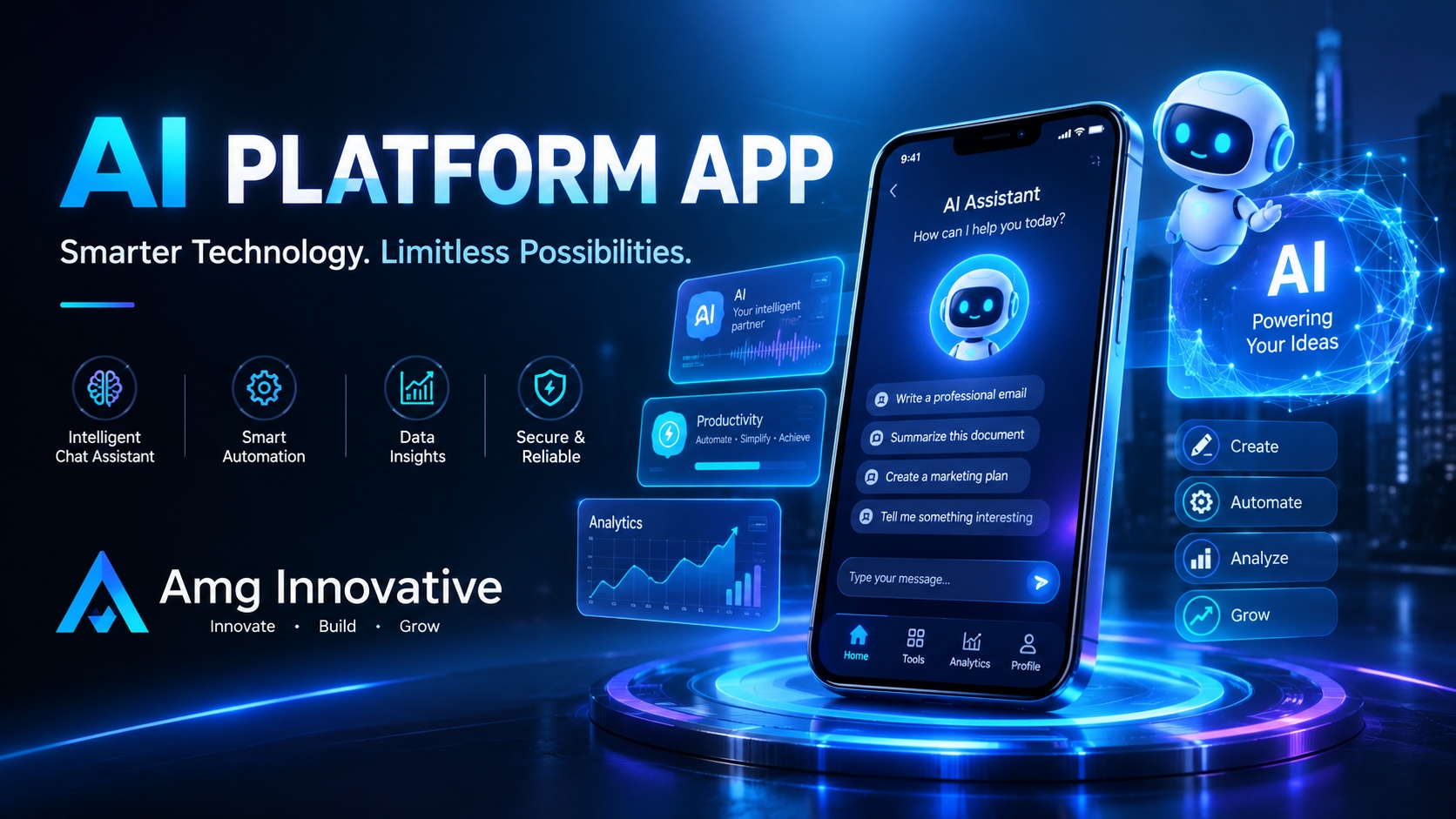
Artificial intelligence is changing how people work, manage information, and use digital services. An AI platform app brings smart tools together to help users complete tasks, solve problems, and improve daily work. Businesses can use these apps for customer support, marketing, sales, data analysis, and many other activities.
As companies look for ways to save time and improve service quality, AI platform apps are becoming more useful. They can help teams handle repeated tasks, find important information, and respond to customer needs more quickly. These tools are suitable for businesses of different sizes, from small companies to large organizations.
The main purpose of an AI platform app is to make work easier and more effective. When businesses choose the right tools and use them carefully, they can improve their daily operations while allowing employees to focus on tasks that need human skills and judgment.
Uses of AI Platform Apps in Customer Support
One of the most common uses of AI platform apps is customer support. Businesses receive questions about products, payments, delivery, services, and account access every day. Answering each question manually can take a lot of time, especially during busy periods.
AI chatbots can provide quick answers to common questions at any time. For example, an online store can use an AI app to explain its return policy, share delivery updates, or help customers find product details. If a question is too complex, the app can direct the customer to a human support team.
AI tools can also help support staff review conversations and prepare suitable replies. This can reduce the time needed to handle requests and help businesses provide more consistent service. However, companies should keep human support available for complaints, unusual issues, and situations that require personal care.
Uses in Content Creation and Marketing
AI platform apps are widely used in marketing because they can help teams prepare content and plan campaigns. Businesses need regular content for websites, blogs, emails, product pages, and social media. Creating everything from the beginning can take time and effort.
Generative AI in Automation helps marketing teams create early drafts, suggest topics, summarize information, and prepare different versions of content. For example, a company can use an AI tool to develop ideas for a blog post and prepare a draft for its marketing team to review. The team can then improve the wording, check the facts, and make sure the content matches the brand.
AI apps can also help businesses review campaign results and understand which messages attract attention. This information can guide future marketing plans. Even so, businesses should review AI-generated content before publishing it to ensure that it is correct, useful, and suitable for their audience.
Uses in Sales and Lead Management
Sales teams often manage many customer records, follow-up messages, and sales opportunities. AI platform apps can help organize this information and make it easier for staff to decide which tasks need attention.
For example, an AI app can summarize a customer's previous conversations before a sales meeting. It can also help prepare follow-up emails, organize lead information, and highlight possible sales opportunities based on available data. This allows sales staff to spend less time managing records and more time speaking with customers.
Businesses can also use AI tools to review sales patterns and understand which products or services receive the most interest. These insights can support better planning and help teams improve their approach. Human review remains important because AI suggestions may not always reflect a customer's full needs or situation.
Uses in Business Process Automation
Many businesses complete the same tasks every day. These may include sorting emails, updating records, preparing reports, assigning requests, and sending reminders. AI tools can help manage parts of these processes and reduce manual effort.
AI automation for business allows companies to connect different steps in a workflow. For example, when a customer submits a request, an AI system may identify the topic, organize the details, and send it to the right department. It may also prepare a response for an employee to check before sending.
This approach can help reduce delays and make daily operations more organized. Businesses can begin with simple, repeated tasks and expand automation after testing the results. Important actions involving payments, private data, or major decisions should include suitable checks and human approval.
Uses in Data Analysis and Business Planning
Businesses collect information from sales, customer feedback, website visits, and daily operations. Reviewing large amounts of data manually can be difficult. AI platform apps can help organize this information, find patterns, and create summaries that are easier to understand.
For example, a retail company may use AI to review sales records and identify popular products. A marketing team may study website activity to understand which pages attract more visitors. A service provider may review customer feedback to find common problems and areas for improvement.
These insights can help managers make informed choices about products, services, and business plans. AI tools can also reduce the time needed to prepare reports. However, results should be checked against reliable data because incorrect information can lead to poor decisions.
Uses in Healthcare Services
Healthcare providers can use AI platform apps to support patient communication and daily office tasks. Depending on their features, these apps may help with appointment booking, reminders, common patient questions, and the organization of medical information.
For example, a clinic may use an AI app to send appointment reminders and answer basic questions about visiting hours. Administrative staff may use AI to sort documents or prepare summaries for review by authorized team members.
These tools can help reduce routine work and improve communication between patients and healthcare providers. However, health information must be protected carefully. AI apps should follow relevant privacy rules, and medical decisions must remain under the care of qualified professionals.
Uses in Education and Employee Training
AI platform apps can support learning in schools, colleges, training centers, and workplaces. Students can use them to review lessons, ask questions, practice skills, and receive explanations of difficult topics. Some apps can suggest learning materials based on a student's progress.
Businesses can also use AI learning tools to train employees on new systems, company rules, and job-related skills. Staff can access learning materials when needed and review information at their own pace. This can make training easier to manage, especially for teams working in different locations.
Teachers and trainers still play an important role. They can check learning progress, correct mistakes, and provide guidance when a topic needs deeper explanation. AI works best as a support tool rather than a full replacement for human teaching.
Uses in Finance and Accounting
Finance teams deal with invoices, expense records, payments, budgets, and financial reports. AI platform apps can help organize documents, sort transactions, prepare summaries, and identify records that may need further review.
For example, a business may use AI to group expenses by type or help prepare a monthly report. The finance team can then check the details and confirm that the information is correct. This can reduce time spent on routine tasks and help staff focus on planning and financial control.
Since financial mistakes can have serious effects, businesses should use secure tools and keep clear review steps. AI results should not be accepted without checking important figures and records.
Uses in Cybersecurity and Data Protection
AI platform apps can help businesses monitor systems and identify unusual activity. They may flag unexpected login attempts, review security alerts, or help teams find patterns that could point to a possible threat.
These features can help security staff respond more quickly and focus on issues that need attention. However, AI cannot prevent every attack. Companies should also use strong passwords, access controls, software updates, staff training, and regular security reviews.
Businesses must also protect the information they enter into AI tools. Clear rules about data use and access can reduce risks and help maintain customer trust.
Conclusion
AI platform apps have many uses across customer support, marketing, sales, business operations, healthcare, education, finance, and cybersecurity. They help companies manage information, reduce repeated work, and improve the way they serve customers and employees.
By using Generative AI in Automation and applying AI automation for business to suitable tasks, organizations can make their workflows more efficient and use their resources wisely. The key is to choose tools that match business goals, protect private information, review AI results, and keep human judgment involved. With a clear plan, AI platform apps can become valuable tools for long-term business growth.
More Info: Amg Innovative



