
Water quality plays an important role in industrial production, pharmaceutical manufacturing, laboratory operations, and various commercial applications. Industries require a consistent supply of purified water to maintain product quality, protect equipment, and meet operational standards. Choosing the right Water Purification System India is therefore essential for businesses looking to improve water treatment efficiency and ensure reliable performance.
Industrial water sources may contain dissolved salts, suspended particles, organic compounds, microorganisms, heavy metals, and other impurities. Using untreated water in manufacturing processes can affect product quality, damage machinery, and increase maintenance costs. Advanced water purification technologies help remove these contaminants and provide water suitable for specific industrial applications.
From reverse osmosis and ultrafiltration to deionization and ultraviolet treatment, modern purification systems offer different solutions based on water quality requirements. This article explores the importance, technologies, applications, and benefits of industrial water purification systems in India.
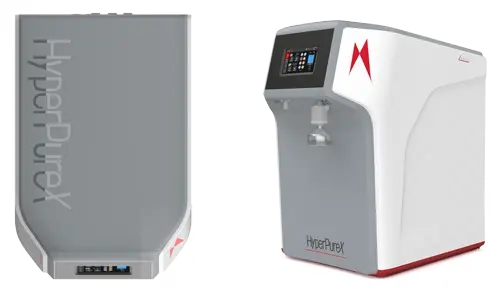
1. Understanding Industrial Water Purification Systems
An industrial water purification system is designed to remove unwanted contaminants from incoming water and produce water that meets specific application requirements. These systems are used in pharmaceutical facilities, food processing plants, chemical industries, healthcare organizations, power plants, and research laboratories.
The purification process generally involves multiple treatment stages. Each stage targets particular impurities to improve the overall water quality.
Common water contaminants include:
Dissolved minerals and salts
Suspended particles and sediments
Organic compounds
Bacteria and other microorganisms
Heavy metals
Chlorine and chemical residues
Dissolved gases
The exact treatment process depends on the source water quality and the intended use of purified water. A properly designed system helps industries maintain consistent water quality while improving operational efficiency.
2. Importance of Water Purification in Industrial Applications
Water is an essential resource in several industrial processes. It may be used as a raw material, cleaning agent, cooling medium, or ingredient in manufacturing operations.
Poor-quality water can create several operational challenges, including equipment scaling, corrosion, contamination, production interruptions, and inconsistent product quality.
Installing a suitable Water Purification System India helps businesses address these challenges through controlled treatment processes.
Some important benefits include:
Improved water quality for manufacturing operations.
Reduced dissolved impurities and contaminants.
Better protection of industrial equipment.
Improved process consistency.
Reduced scaling and maintenance problems.
Support for applicable quality and regulatory requirements.
Reliable water treatment also helps industries maintain their production schedules and reduce unexpected operational difficulties.
3. Advanced Technologies Used in Industrial Water Treatment
Modern industrial water treatment systems combine different purification technologies to achieve the required water quality. Selecting the right combination depends on feed water characteristics, treatment capacity, and application requirements.
Reverse Osmosis (RO)
Reverse osmosis is one of the most widely used technologies in industrial water purification. It uses a semi-permeable membrane to reduce dissolved salts, minerals, and various other contaminants.
During the process, water passes through the membrane under pressure, separating a significant portion of dissolved impurities from the treated water.
RO technology is commonly used in pharmaceutical manufacturing, food processing, laboratories, and general industrial applications.
Ultrafiltration (UF)
Ultrafiltration uses membrane technology to remove suspended particles, colloids, and certain microorganisms from water.
It is frequently used as a pretreatment stage before reverse osmosis. By reducing the particle load entering downstream equipment, ultrafiltration can help protect RO membranes and improve overall system performance.
Electrodeionization (EDI)
Electrodeionization is used to reduce ionized impurities and produce high-purity water. It combines ion-exchange materials, selective membranes, and electrical energy.
EDI is commonly integrated with reverse osmosis systems in applications requiring consistently low ionic contamination.
Ultraviolet (UV) Treatment
Ultraviolet treatment uses UV light to help control microbial contamination. Depending on the system configuration and wavelength, UV technology can also help reduce certain organic compounds.
It is commonly incorporated into water purification systems where additional microbial control is required.
Water Softening
Water softening reduces hardness caused by calcium and magnesium ions. This process helps prevent scale formation in pipes, membranes, heat exchangers, and other industrial equipment.
Combining suitable pretreatment technologies with advanced purification methods helps create an efficient industrial water treatment process.
4. Pharmaceutical Water Purification System India
The pharmaceutical industry requires carefully controlled water quality because water is used in manufacturing, cleaning, laboratory testing, and pharmaceutical formulations.
A Pharmaceutical Water Purification System India must be designed according to the intended water grade, applicable pharmacopoeial requirements, and manufacturing processes.
Common pharmaceutical water categories include:
Purified Water (PW): Used in pharmaceutical manufacturing, equipment cleaning, and the preparation of certain products.
Water for Injection (WFI): Used in applications requiring stringent control of microbial contamination and bacterial endotoxins.
Laboratory Water: Used for analytical testing, research activities, reagent preparation, and laboratory procedures.
Pharmaceutical water treatment systems may incorporate pretreatment, reverse osmosis, electrodeionization, distillation, storage, and distribution technologies.
The complete system should be designed to minimize contamination risks and maintain consistent water quality throughout operation.
Regulatory expectations, including relevant Indian Pharmacopoeia requirements, WHO GMP guidance, and applicable Schedule M provisions, should be considered during system selection and qualification.
5. Applications of Industrial Water Purification Systems
Industrial water purification equipment is used across several sectors because different manufacturing processes require controlled water quality.
Some major applications include:
Pharmaceutical Industry: Purified water is used in manufacturing, equipment washing, and other pharmaceutical processes.
Food and Beverage Industry: Treated water is used in food preparation, beverage production, ingredient processing, and cleaning operations.
Healthcare Facilities: Water purification systems support laboratory operations, healthcare processes, and other applications requiring specific water quality.
Chemical Manufacturing: Industrial water treatment helps control impurities that could interfere with chemical production.
Power Generation: Treated water is important for boiler feed applications and other processes where mineral deposits can affect equipment performance.
Research Laboratories: High-purity water is required for analytical instruments, testing procedures, and scientific experiments.
Choosing a suitable purification system for each application helps maintain process efficiency and product consistency.
6. Important Factors to Consider When Choosing a Water Purification System
Selecting the right industrial water treatment equipment requires an understanding of operational requirements and incoming water quality.
Consider the following factors before purchasing a system:
Feed Water Quality: Analyze TDS, hardness, pH, conductivity, microbial contamination, and other relevant parameters.
Treatment Capacity: Estimate daily consumption and peak water demand to determine the appropriate system capacity.
Purification Technology: Select technologies according to the required water quality and intended application.
Regulatory Requirements: Ensure that the system design supports applicable industry standards and quality requirements.
Automation: Consider PLC controls, online monitoring, alarms, and data recording capabilities.
Maintenance: Evaluate membrane replacement, filter servicing, sanitization, and spare-part availability.
Operating Costs: Review electricity consumption, water recovery, consumables, and maintenance expenses.
A detailed evaluation of these factors helps businesses choose equipment that meets current requirements and supports future expansion.
7. Benefits of Modern Industrial Water Purification Solutions
Advanced purification systems provide several advantages for industrial facilities.
Consistent Water Quality: Multiple treatment stages help maintain water quality according to defined operational requirements.
Equipment Protection: Removing hardness, suspended particles, and dissolved impurities helps reduce scaling and equipment-related problems.
Improved Productivity: Reliable water availability supports uninterrupted manufacturing and processing activities.
Better Process Control: Automated monitoring allows operators to track important water quality and operating parameters.
Reduced Maintenance Requirements: Appropriate pretreatment and system maintenance help protect purification components and reduce unexpected breakdowns.
Operational Efficiency: Properly designed systems can improve water recovery and reduce unnecessary resource consumption.
8. Maintenance and Monitoring for Long-Term Performance
Regular maintenance is essential for keeping an industrial water purification system operating efficiently. Even advanced equipment requires routine inspection and servicing.
Important maintenance activities include:
Inspecting and replacing cartridge filters.
Monitoring RO membrane performance.
Checking conductivity and TDS levels.
Cleaning and sanitizing the system.
Inspecting pumps, valves, and pipelines.
Monitoring pressure and flow rates.
Maintaining operational and service records.
Water quality should also be monitored according to the requirements of the intended application. Regular testing helps identify performance changes and allows operators to take corrective action when necessary.
9. Choosing a Reliable Water Purification System Manufacturer in India
Selecting an experienced manufacturer is important for obtaining a purification system that matches your industrial requirements.
Before making a purchase, evaluate the manufacturer's technical expertise, equipment quality, customization capabilities, installation support, and after-sales services.
A dependable supplier should also provide appropriate technical documentation, operating instructions, maintenance guidance, and qualification support where required.
Working with an experienced manufacturer helps industries select suitable treatment technologies and develop solutions based on their actual water quality requirements.
Conclusion
A reliable Water Purification System India is an important investment for industries that depend on consistent water quality and efficient manufacturing operations. Advanced technologies such as reverse osmosis, ultrafiltration, electrodeionization, UV treatment, and water softening provide effective solutions for different industrial applications.
For pharmaceutical manufacturers, selecting an appropriate Pharmaceutical Water Purification System India is particularly important for maintaining water quality and supporting applicable GMP requirements.
By evaluating feed water quality, purification technology, treatment capacity, regulatory expectations, and maintenance requirements, businesses can choose an effective water treatment solution that supports long-term operational performance and product quality.





