
Learn the common causes of roof leaks, how damaged shingles and flashing can be repaired, and ways to prevent future roofing problems.
Roof leaks are one of the most common problems homeowners face, but finding their actual cause is not always easy. Water can enter through damaged shingles, loose flashing, worn roof materials, or poorly sealed areas around roof openings. Sometimes, a small water stain on the ceiling indicates a problem that started somewhere else on the roof. Understanding these issues helps property owners identify damage early and arrange Roof Repair Services before the problem becomes more serious.
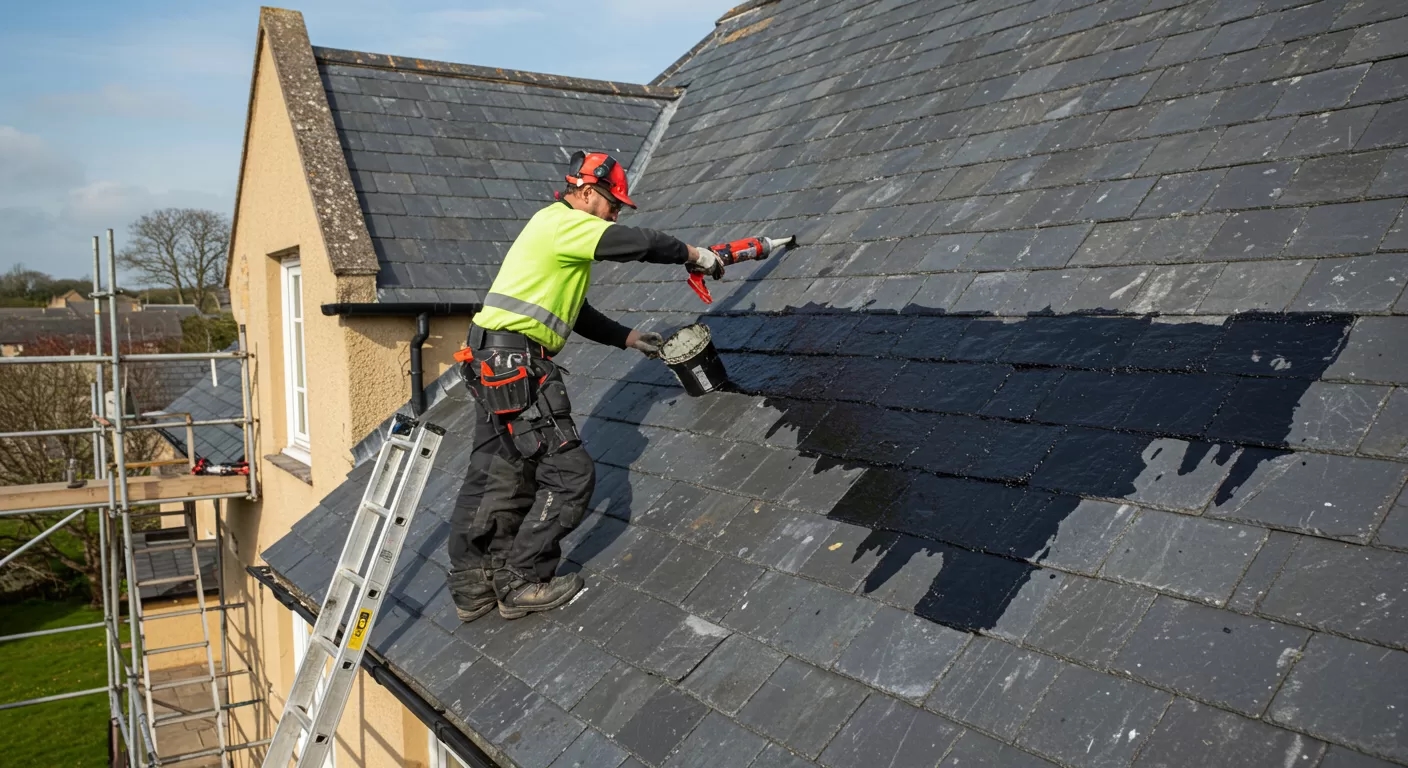
Common Causes of Roof Leaks
A roof can develop leaks for several reasons. Some problems happen gradually as roofing materials age, while others result from storms, falling branches, or poor installation. Identifying the source of water entry is the first step toward choosing the right repair method.
Damaged or Missing Roof Shingles
Shingles create a protective layer that helps keep rainwater away from the roof structure. Strong winds, heavy rain, falling branches, and natural aging can cause shingles to crack, curl, loosen, or fall off completely.
When shingles become damaged, water can reach the underlying roofing materials. Homeowners may notice water stains on ceilings, damp attic insulation, or visible damage along the roof surface.
How to repair it: A roofing professional should inspect the affected section and determine whether individual shingles can be replaced or whether a larger area needs attention. Properly matching and securing replacement shingles helps restore the protective roof surface.
Cracked or Loose Roof Flashing
Flashing is installed around areas where the roof meets other structures, including chimneys, vents, skylights, and walls. Its purpose is to direct water away from these vulnerable connections.
Over time, flashing can become loose, corroded, cracked, or separated from surrounding materials. Damaged flashing creates openings that allow rainwater to enter beneath the roofing system.
How to repair it: The damaged flashing should be examined to determine whether it needs resealing, adjustment, or complete replacement. Simply applying sealant over an existing problem may not provide a lasting solution if the flashing itself is damaged.
Clogged or Damaged Gutters
Gutters play an important role in directing rainwater away from the roof and foundation. When leaves, dirt, and other debris block the drainage system, water may collect along the roof edges.
Standing water can contribute to moisture problems around the roofline and may enter vulnerable areas if the drainage system is not working correctly. Loose gutters and damaged connections can also cause water to flow in unwanted directions.
How to repair it: Remove accumulated debris and check the gutter system for loose sections, leaks, and drainage problems. Damaged gutter components should be repaired or replaced to help maintain proper water flow.
Deteriorated Roof Valleys
Roof valleys are the areas where two sloping roof sections meet. These sections collect and direct a considerable amount of rainwater toward the drainage edges.
Because of their design, valleys require proper protection and careful installation. Cracked materials, damaged valley flashing, accumulated debris, or worn protective layers can allow water to penetrate the roof.
How to repair it: A professional inspection can identify whether the problem involves damaged shingles, flashing, or underlying materials. The affected valley should be repaired using appropriate roofing materials and installation methods.
Poor Sealing Around Roof Openings
Roof openings such as plumbing vents, exhaust vents, and skylights require proper sealing to prevent water from entering the structure. Over time, rubber seals, surrounding flashing, and other protective materials can deteriorate.
Small gaps around these openings may allow rainwater to travel beneath the roofing surface. Since these areas are not always easy to inspect from the ground, leaks can remain unnoticed until interior damage appears.
How to repair it: Inspect the surrounding materials and identify the exact entry point. Depending on the condition, the repair may involve replacing damaged seals, correcting flashing, or restoring the surrounding roofing materials.
Aging Roofing Materials
Roofing materials gradually lose their ability to protect a property from moisture. Continuous exposure to sunlight, temperature changes, rain, and wind can weaken shingles, underlayment, and protective seals.
As roofing materials become older, they may develop cracks, lose protective granules, or become less effective at directing water away from the structure. These changes increase the possibility of leaks, particularly around roof joints and other vulnerable sections.
How to repair it: The condition of the entire roof should be evaluated. If the damage is limited, repairing specific sections may be sufficient. However, widespread deterioration may require more extensive roofing work.
Storm and Wind Damage
Severe weather can create sudden roofing problems. Strong winds may lift shingles, while hail and falling tree branches can damage roofing surfaces. Heavy rainfall can also reveal existing weaknesses in flashing, roof valleys, and other connections.
Even when damage is not immediately visible, small openings can allow moisture to enter the roof structure.
How to repair it: A professional roof inspection can help identify missing shingles, damaged flashing, and other storm-related problems. Repairs should address the actual damage rather than only covering the visible signs of water entry.
Warning Signs That Your Roof May Be Leaking
Recognizing early warning signs can help homeowners address roofing problems before moisture spreads to other parts of the property. Some common signs include:
Brown or yellow stains appearing on ceilings.
Peeling paint near walls and ceiling corners.
Damp insulation inside the attic.
Water dripping during or after rainfall.
Musty odors in upper rooms.
Visible cracks or missing shingles.
Moisture marks around skylights or roof vents.
Dark spots or discoloration on roof decking.
Not every ceiling stain automatically indicates a roof leak. Plumbing issues and indoor condensation can create similar symptoms. Therefore, identifying the actual source of moisture is important before arranging repairs.
How to Find the Actual Source of a Roof Leak
Finding the source of a roof leak requires more than looking directly above a ceiling stain. Water can travel along roof decking, rafters, and other structural surfaces before becoming visible inside the home.
A proper inspection generally involves examining the attic for moisture marks, checking the roof covering for visible damage, and reviewing flashing around chimneys, vents, and other openings. Gutters and roof valleys should also be checked for drainage problems.
Property owners can rely on professional Roof Repair Services in Louisville, and surrounding areas to identify potential roofing problems, locate water entry points, and address damage before it spreads to other sections of the roof.
What Happens During a Professional Roof Leak Repair?
Professional roof leak repair usually begins with identifying the source and extent of the damage. The repair process depends on the roofing materials, the location of the leak, and the condition of the affected area.
Typical repair steps include:
Roof inspection: The damaged section and surrounding areas are examined to identify possible water entry points.
Damage assessment: The condition of shingles, flashing, underlayment, and other roofing components is evaluated.
Repair planning: The appropriate repair method and materials are selected based on the identified problem.
Damaged material removal: Loose, cracked, or deteriorated components are removed when necessary.
Roof restoration: Suitable replacement materials are installed, and vulnerable connections are properly sealed or secured.
Final inspection: The repaired section is checked to ensure the work addresses the identified problem.
A repair should restore the roof's ability to direct water away from the building. Covering a visible opening without correcting the underlying issue may allow the leak to return.
Why Delaying Roof Leak Repairs Can Become a Bigger Problem
Even a small roof leak can create additional problems when it remains unresolved. Water can gradually affect insulation, wooden roof decking, ceiling materials, and interior finishes.
Continued moisture exposure may also encourage mold growth and cause wooden components to deteriorate. As the affected area expands, the repair may become more complicated than addressing the original roofing problem.
Taking action when the first warning signs appear can help limit the spread of moisture and protect other parts of the property.
Can Homeowners Repair a Leaking Roof Themselves?
Some minor roofing issues may appear simple to fix, but roof repairs can involve hidden damage that is difficult to identify without proper inspection. Applying roofing sealant to a visible crack may temporarily reduce water entry, but it does not necessarily resolve problems involving damaged flashing, underlayment, or roof decking.
Working on a roof also involves safety risks, particularly when surfaces are wet, steep, or damaged. Homeowners should avoid climbing onto unstable roofing areas and consider professional assistance when the source of a leak is unclear or the damage is extensive.
How to Prevent Roof Leaks in the Future
Preventive maintenance can help reduce the likelihood of recurring roof leaks. Homeowners can take several practical steps to keep their roofing systems in better condition:
Schedule regular roof inspections to identify developing problems.
Remove leaves and debris from gutters to maintain proper drainage.
Check visible shingles for cracks, curling, or missing sections.
Keep tree branches from rubbing against roofing materials.
Examine flashing around chimneys, vents, and skylights.
Address small signs of moisture before they spread.
Arrange an inspection after severe weather events.
These maintenance practices help property owners identify potential weaknesses and address them before they develop into more extensive roofing problems.
Final Thoughts
Roof leaks can develop from damaged shingles, deteriorated flashing, clogged gutters, aging materials, and storm-related damage. Finding the actual source of water entry is essential because the visible signs inside a home may not appear directly below the damaged roof section. Timely inspections, appropriate repairs, and regular maintenance can help protect the roof and prevent further moisture-related problems. Property owners looking for dependable roofing solutions can consider Not Just Roofs for roof repair, installation, replacement, inspection, and maintenance services.