
Contraception plays an important role in helping couples make informed decisions about family planning, reproductive health, and pregnancy prevention. Understanding the available methods allows partners to discuss their preferences, consider their future goals, and choose an approach that suits their individual circumstances. Contraception in Dubai involves several options designed to support different reproductive needs, making it important for couples to understand how these methods work and what they should consider before making a decision. Open communication and reliable information can help partners feel more confident about managing their reproductive health together.
Why Is Contraception Important for Couples?
Family planning is a shared responsibility that involves understanding reproductive health and making thoughtful decisions about pregnancy. Contraception gives couples greater control over when they wish to start or expand their families. It also allows partners to consider their personal circumstances, relationship goals, and future plans.
Some important reasons couples consider contraception include:
Planning pregnancy according to personal and family circumstances.
Preventing unintended pregnancies.
Understanding reproductive health and fertility patterns.
Making informed decisions about the timing of parenthood.
Supporting communication and shared responsibility between partners.
Choosing a suitable method requires consideration of individual health, lifestyle, preferences, and reproductive goals.
What Are the Different Types of Contraception Available?
There are several contraceptive methods, and each works differently to prevent pregnancy. Understanding the available choices helps couples identify an approach that matches their needs.
Hormonal Contraception
Hormonal contraception uses specific hormones to prevent pregnancy. Depending on the method, it may prevent ovulation, thicken cervical mucus, or change the uterine lining. These changes make fertilisation or pregnancy less likely.
Common hormonal methods include:
Birth control pills taken according to a prescribed schedule.
Hormonal injections administered at recommended intervals.
Contraceptive implants placed beneath the skin.
Hormonal intrauterine devices (IUDs) positioned inside the uterus.
The suitability of hormonal contraception depends on medical history, reproductive preferences, and individual health considerations.
Non-Hormonal Contraception
Non-hormonal contraception provides pregnancy prevention without relying on hormonal changes. These methods may be suitable for individuals who prefer to avoid hormonal approaches or have particular medical considerations.
Common options include:
Copper intrauterine devices that create an environment unsuitable for fertilisation.
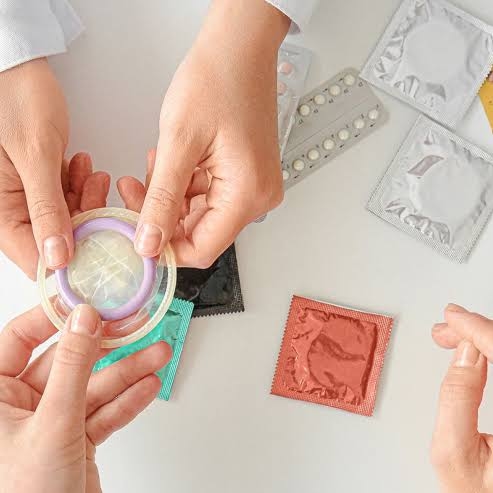
Male condoms that act as a physical barrier.
Female condoms that provide a barrier during intercourse.
Diaphragms used to cover the cervix.
Fertility awareness methods that involve identifying fertile days.
Each method has different requirements for correct use and effectiveness. Couples should understand these differences before selecting an option.
How Does the Contraception Process Work?
The process generally begins with understanding the couple's reproductive goals and identifying their preferred approach. A suitable method depends on several factors, including medical history, menstrual patterns, lifestyle, and plans for future pregnancy.
The process may involve the following stages:
Understanding Reproductive Goals
The first step involves discussing whether the couple wishes to delay pregnancy temporarily or prevent it for a longer period. Some methods are designed for short-term use, while others provide protection over several years.
Reviewing Health and Medical History
Relevant health information helps determine which methods may be appropriate. Factors such as menstrual regularity, previous pregnancies, existing medical conditions, and current medications may influence the decision.
Selecting a Suitable Method
After considering individual requirements, the couple can identify an appropriate contraceptive approach. Some methods require daily attention, while others involve occasional administration or a one-time placement procedure.
Starting the Chosen Method
The starting process depends on the selected option. Pills follow a specific schedule, injections require administration at recommended intervals, and intrauterine devices need placement by a qualified healthcare professional.
Understanding Correct Use
Following the recommended instructions is essential for reliable pregnancy prevention. Couples should understand when protection begins, how consistently the method must be used, and what to do if a dose is missed or a method is used incorrectly.
What Factors Should Couples Consider Before Choosing Contraception?
Selecting contraception involves more than understanding how a particular method works. Couples should consider their present circumstances and long-term reproductive preferences.
Future Pregnancy Plans
Couples who wish to have children in the near future may prefer reversible methods that can be discontinued when they are ready to conceive. Those who want to delay pregnancy for several years may consider longer-lasting options.
Lifestyle and Daily Routine
Some methods require daily attention, while others provide protection without frequent involvement. Partners should consider their schedules, routines, and ability to follow usage instructions consistently.
Individual Health Requirements
Medical history and existing health conditions can influence which methods are suitable. A healthcare professional can help identify relevant considerations and recommend an appropriate approach.
Personal Preferences
Comfort, convenience, privacy, and personal beliefs may influence contraceptive decisions. Both partners should have an opportunity to discuss their expectations and concerns.
Protection Against Sexually Transmitted Infections
An important consideration is that most contraceptive methods do not protect against sexually transmitted infections. Condoms can reduce the risk of many sexually transmitted infections while also helping prevent pregnancy when used correctly.
What Are the Benefits of Family Planning Through Contraception?
Contraception offers several practical benefits for couples who want to make informed reproductive decisions. Its advantages extend beyond pregnancy prevention because it can also support greater awareness of reproductive health.
Some key benefits include:
Greater control over pregnancy timing.
Improved preparation for future parenthood.
More flexibility when planning family size.
Better understanding of fertility and reproductive health.
Opportunities for partners to share family planning responsibilities.
Access to reversible methods that can accommodate changing life circumstances.
Certain hormonal methods may also help regulate menstrual cycles or manage specific menstrual concerns. However, these additional benefits depend on the method and individual circumstances.
How Can Couples Make Contraception a Shared Responsibility?
Family planning becomes easier when both partners participate in discussions and decisions. Although some contraceptive methods are used by one partner, pregnancy prevention is a shared responsibility.
Couples can support one another by discussing their expectations, learning about different methods, and respecting individual preferences. They should also communicate honestly about reproductive goals and understand that contraceptive decisions may change over time.
Regular discussions can help partners recognise changing needs, particularly after marriage, childbirth, or changes in family plans. Mutual understanding creates a more supportive environment for making reproductive health decisions.
Frequently Asked Questions About Contraception
When Should Couples Start Considering Contraception?
Couples can consider contraception whenever they become sexually active and wish to prevent pregnancy. Planning ahead allows them to understand available methods and select an appropriate option before they need it.
Which Contraceptive Methods Are Suitable for Newly Married Couples?
The appropriate method depends on individual health, pregnancy plans, and personal preferences. Condoms, oral contraceptive pills, and other reversible methods may be considered after understanding their correct use and suitability.
Can Couples Use Contraception When They Want Children Later?
Yes. Several contraceptive methods are reversible and allow individuals to plan pregnancy at a later stage. The time required for fertility to return varies depending on the selected method.
Does Every Contraceptive Method Prevent Sexually Transmitted Infections?
No. Most methods are designed specifically for pregnancy prevention. Condoms provide additional protection against many sexually transmitted infections when used correctly and consistently.
How Long Can Couples Use Contraception?
The duration depends on the selected method. Some options require daily use, whereas implants and intrauterine devices can provide protection for several years. Their recommended duration and replacement requirements should be discussed with a qualified healthcare professional.
Can Contraception Be Changed After Marriage?
Yes. Couples may change their contraceptive method when their reproductive goals, health requirements, or personal preferences change. Any transition should be planned carefully to maintain pregnancy protection.
Conclusion
Understanding contraception allows couples to approach family planning with greater confidence, awareness, and shared responsibility. Learning about hormonal and non-hormonal methods, understanding the selection process, and considering individual reproductive goals can help partners make informed decisions. The most suitable approach depends on their health, lifestyle, pregnancy plans, and personal preferences. With accurate information and open communication, couples can develop a family planning strategy that supports their present needs while allowing flexibility for future family decisions.


