
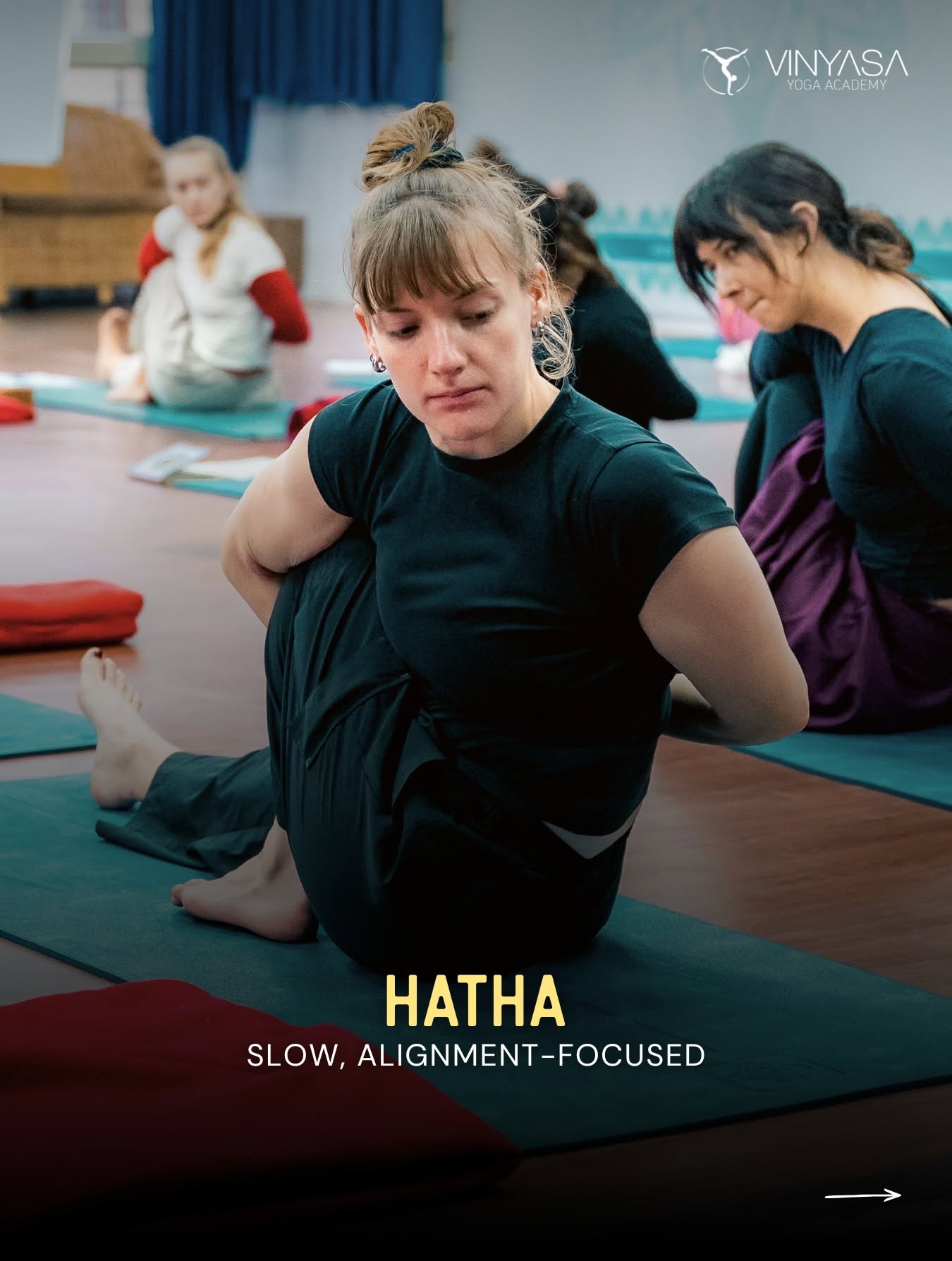
Yoga has developed into many different styles, each offering its own approach to movement, breathing, and mental awareness. Among these styles, Hatha Yoga holds an important place because of its traditional foundations and its emphasis on bringing the body and mind into balance. It introduces practitioners to physical postures, breathing techniques, relaxation, and awareness through a gradual and structured approach.
For beginners, Hatha Yoga can be a useful way to understand the basic principles of yoga. Rather than focusing only on physical movement, it encourages people to observe their breathing, posture, physical limitations, and mental responses. This makes the practice more than a sequence of exercises. It becomes an opportunity to develop awareness and understand the relationship between physical and mental well-being.
What Is Hatha Yoga?
Hatha Yoga is a traditional system of yoga that uses physical postures, breathing practices, and other techniques to prepare the body and mind for deeper awareness and meditation.
The Sanskrit word Hatha is commonly interpreted through the symbolic relationship between Ha, associated with the sun, and Tha, associated with the moon.
This interpretation represents the idea of balancing different energies and qualities within an individual.
Traditional Hatha Yoga developed through several centuries of Indian yogic traditions. Texts such as the Hatha Yoga Pradipika describe practices involving asana, pranayama, mudra, bandha, and purification techniques. These practices were intended to support physical stability, regulate breathing, and prepare practitioners for meditation.
In modern yoga classes, Hatha Yoga often refers to a relatively steady style in which practitioners hold postures for a period of time and focus on proper alignment and breathing. However, traditional Hatha Yoga is broader than this modern classroom interpretation.
How Does Hatha Yoga Connect With Traditional Yoga Education?
Understanding the traditional foundations of Hatha Yoga is also important for people who wish to study yoga beyond personal practice. Students exploring a 200 hrs yoga teachers training in rishikesh may encounter Hatha Yoga as a foundational subject because it introduces essential concepts of asana, pranayama, body awareness, and yogic discipline.
A structured yoga education helps students understand why particular postures are practised, how breathing influences movement, and how different techniques fit into the broader yogic system. These subjects are relevant whether someone wants to deepen their personal practice or eventually become a yoga instructor.
For example, a 200 hour yoga teacher training india programme may include Hatha Yoga alongside yoga philosophy, anatomy, meditation, and teaching methodology. A well-rounded yoga teacher training course should explain both the practical and theoretical aspects of these subjects instead of treating yoga as a collection of physical postures.
The Main Elements of Hatha Yoga
Hatha Yoga combines several practices that work together. Each has a particular purpose within the broader system.
1. Asana: Physical Postures
Asana refers to the physical postures practised in yoga. These positions help develop strength, flexibility, balance, and physical awareness.
Common Hatha Yoga postures include:
Tadasana (Mountain Pose): Encourages upright posture and awareness of body alignment.
Bhujangasana (Cobra Pose): Introduces a gentle backward extension of the spine.
Trikonasana (Triangle Pose): Develops balance and awareness of the legs and torso.
Vrikshasana (Tree Pose): Encourages stability and concentration.
Paschimottanasana (Seated Forward Bend): Introduces a forward-folding movement with attention to the spine and hamstrings.
The purpose of asana is not simply to achieve a particular shape. Practitioners learn to move within their comfortable range while maintaining steady breathing and awareness.

2. Pranayama: Breath Regulation
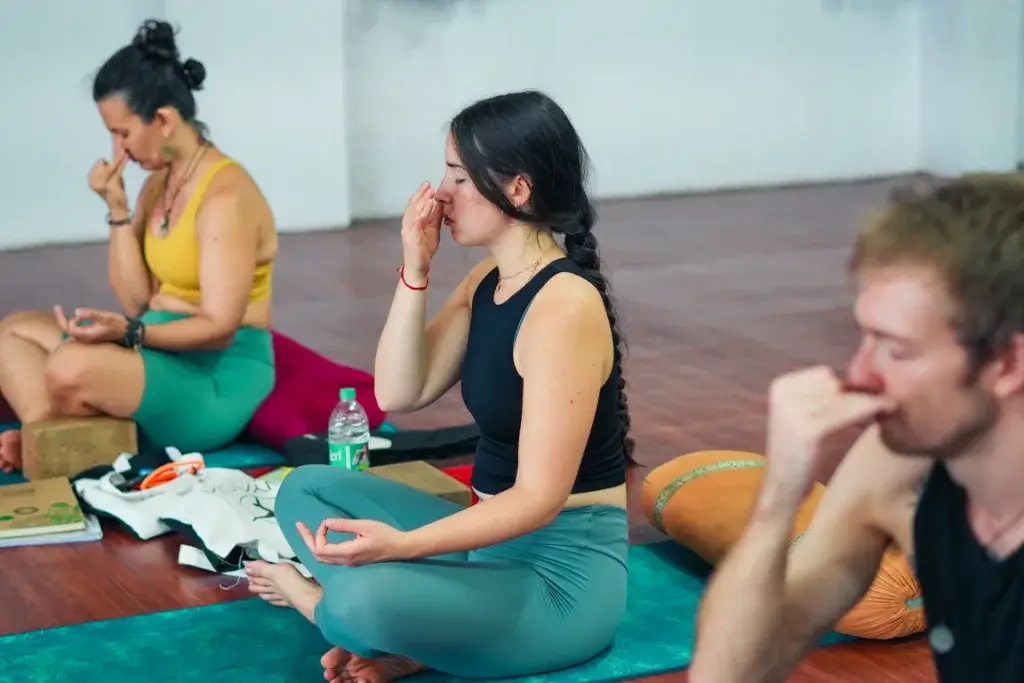
Pranayama involves practices that develop awareness and regulation of breathing. In Hatha Yoga, breath is closely connected with physical movement and mental attention.
Some commonly taught techniques include Nadi Shodhana, Bhramari, and Ujjayi breathing. Each has a different method and should be introduced according to the practitioner's experience and physical condition.
Breathing practices encourage people to notice their natural breathing patterns rather than allowing the breath to become an automatic and unnoticed process.
3. Mudras and Bandhas
Mudras are symbolic or energetic gestures used in traditional yoga. Some involve the hands, while others involve specific body positions.
Bandhas are traditionally described as energetic locks involving controlled muscular engagement. Mula Bandha, Uddiyana Bandha, and Jalandhara Bandha are commonly discussed in Hatha Yoga texts.
These techniques require appropriate instruction because their practice involves specific physical and breathing considerations.
4. Relaxation and Meditation
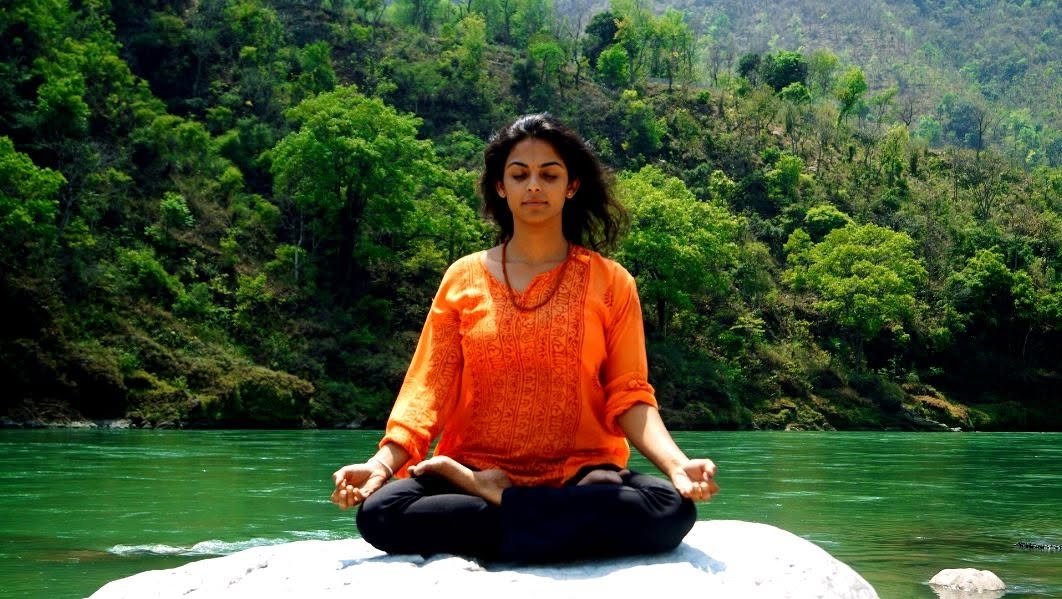
Relaxation gives the body time to settle after physical practice. Meditation develops the ability to observe thoughts, sensations, and attention without immediately reacting to them.
Although modern classes may place different emphasis on these practices, they are important parts of understanding yoga beyond asana.
What Are the Main Benefits of Hatha Yoga?
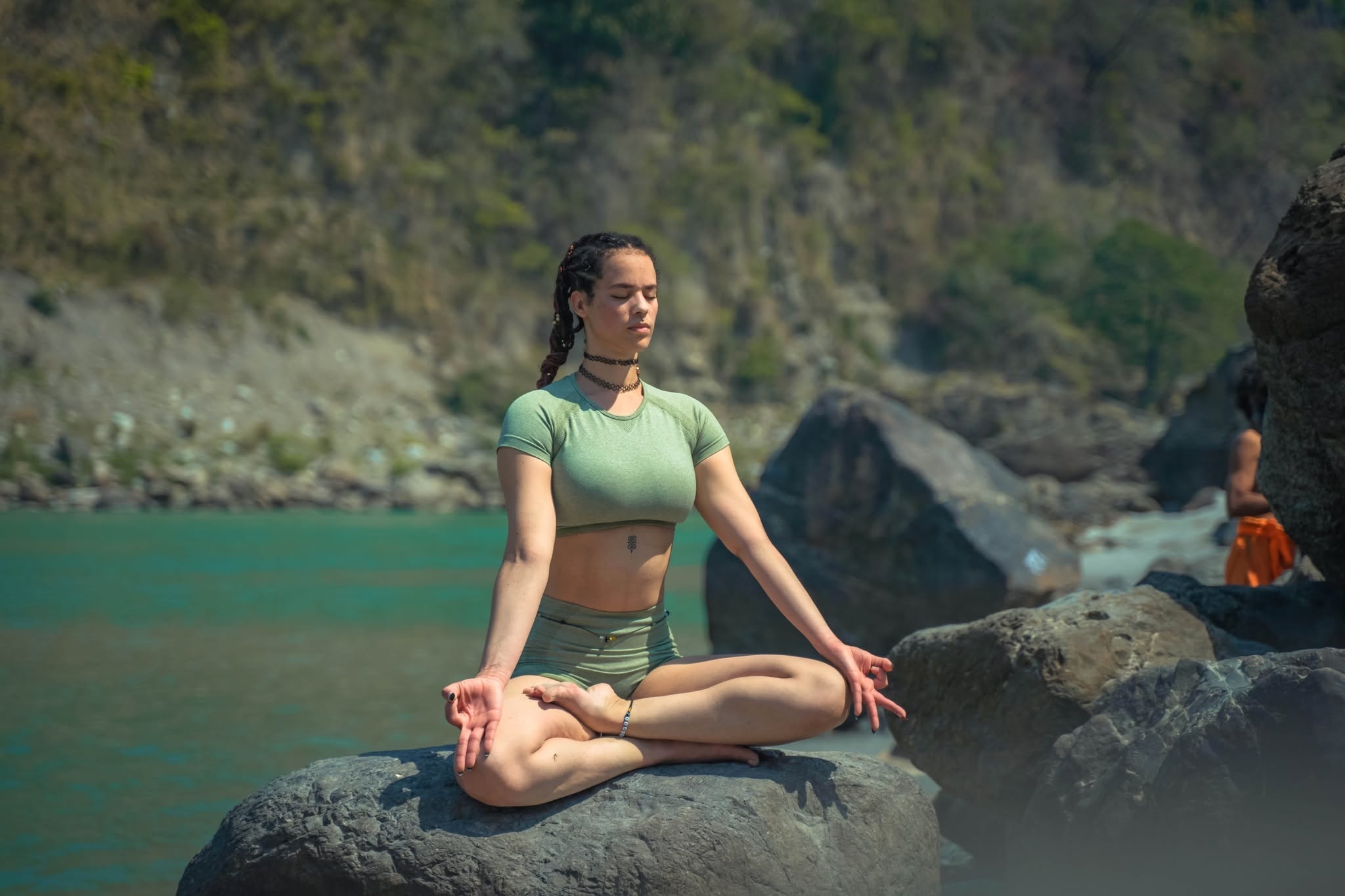
Hatha Yoga may support several aspects of physical and mental well-being when practised regularly and appropriately.
Improved flexibility: Gentle stretching and sustained postures can gradually improve the range of motion in different muscle groups and joints.
Better balance: Standing postures encourage practitioners to develop stability, coordination, and awareness of body positioning.
Greater body awareness: Paying attention to alignment and movement helps people understand their physical habits and limitations.
Improved movement control: Holding postures with awareness encourages controlled movement rather than relying on momentum.
Stress management: Combining physical movement with steady breathing and relaxation may help people manage everyday stress.
Better concentration: Remaining attentive during postures requires patience and mental focus.
These benefits vary between individuals. Hatha Yoga is not a substitute for medical treatment, and people with injuries or health concerns should seek appropriate professional guidance before beginning a new practice.
How Is Hatha Yoga Different From Other Yoga Styles?
Different yoga styles may share traditional foundations while using different teaching methods and practice structures.
Hatha Yoga generally places emphasis on individual postures, steady breathing, and alignment. Vinyasa Yoga connects movements through coordinated transitions and breathing. Ashtanga Yoga follows a more structured sequence of postures, while Yin Yoga focuses on longer-held, passive positions that target different connective tissues.
Kundalini Yoga traditionally combines movement, breathing, mantra, meditation, and other practices.
There is no single style that is suitable for everyone. The choice depends on a person's experience, physical condition, interests, and learning goals.
Is Hatha Yoga Suitable for Beginners?
Yes. Hatha Yoga can be a suitable starting point for beginners because classes often allow time to understand individual postures and their basic alignment.
A beginner does not need to be flexible or physically strong before starting. It is more important to learn how to practise safely and gradually.
Some helpful suggestions include:
Begin with basic postures rather than advanced variations.
Avoid forcing the body into uncomfortable positions.
Maintain natural breathing during movement.
Use blocks, straps, or other supportive equipment when needed.
Give the body sufficient time to rest.
Learn from a qualified and experienced instructor.
People should also communicate any physical limitations to their instructor before practising.
The Importance of Learning Hatha Yoga From a Qualified Teacher
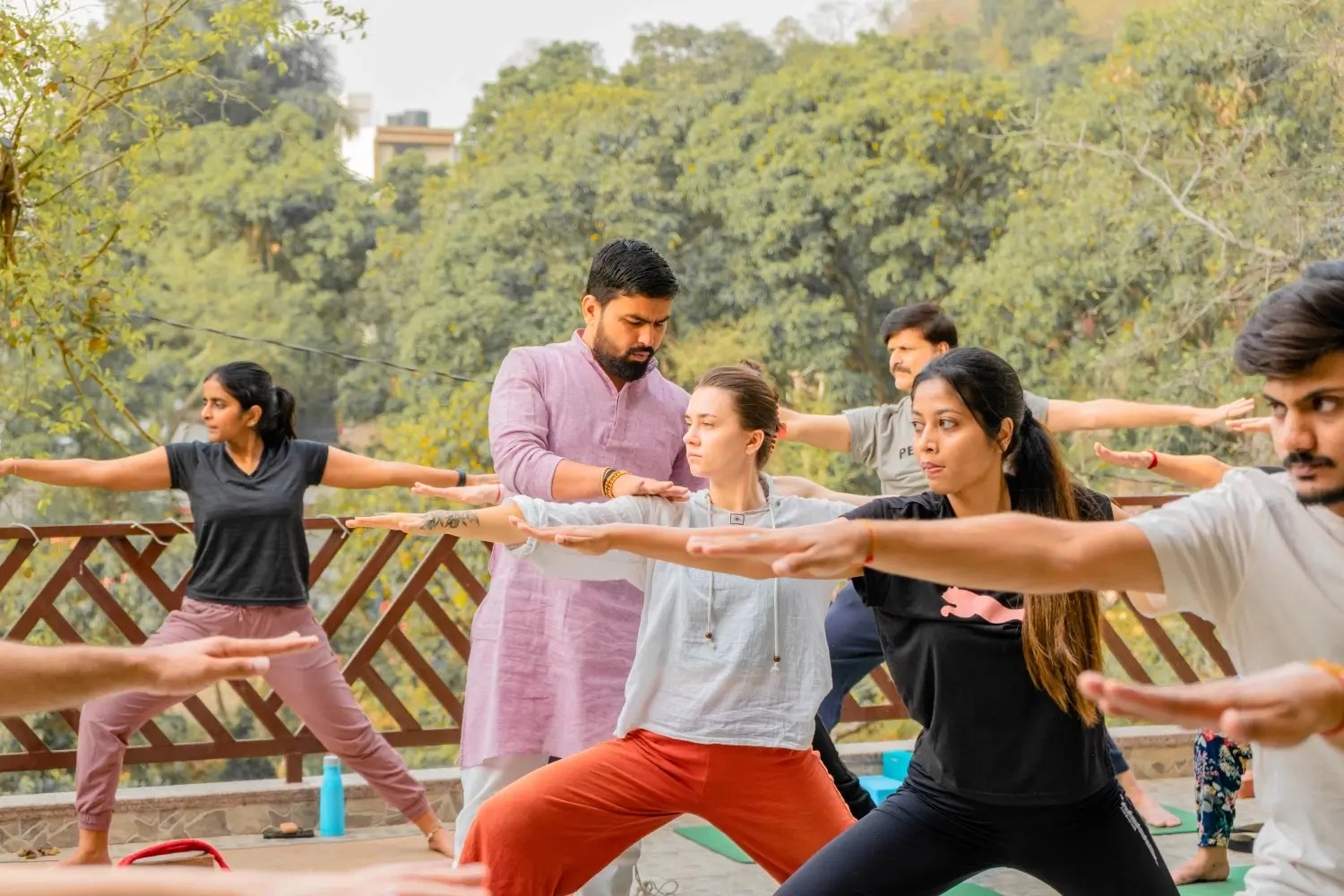
Learning yoga through personal practice can be valuable, but guided education offers a deeper understanding of its techniques and principles.
A comprehensive yoga instructor course may introduce students to asana alignment, basic anatomy, breathing practices, yoga philosophy, and class planning. A yoga certificate course can also provide structured learning, depending on its curriculum, duration, and recognition.
Students comparing a 200 hour yoga teacher training programme should look beyond the course title. They should examine the subjects taught, instructor qualifications, practical teaching opportunities, accommodation arrangements, and certification details.
People searching for the Best Yoga School In Rishikesh should also consider whether the school provides a balanced learning environment that includes both traditional knowledge and practical instruction.
For those interested in studying yoga in India, a yoga teacher course in india can provide an opportunity to learn within the cultural and philosophical environment from which many traditional yoga teachings developed.
Vinyasa Yoga Academy, with its yoga education programmes in Rishikesh and Bali, introduces students to different dimensions of yoga, including traditional practices, asana techniques, and philosophical foundations.
How Can You Include Hatha Yoga in Your Daily Routine?
A regular practice does not need to be complicated. Beginners can start with a short session and gradually develop a routine.
A simple practice might include:
Begin with a few minutes of comfortable sitting and natural breathing.
Perform gentle warm-up movements.
Practise a few basic standing postures.
Include simple seated or lying postures according to your ability.
Spend a few minutes observing your breathing.
Finish with relaxation.
Consistency is more important than practising for long periods occasionally. The aim is to develop a sustainable relationship with movement, breathing, and awareness.
Frequently Asked Questions
1. What Is Hatha Yoga in Simple Words?
Hatha Yoga is a traditional approach to yoga that combines physical postures, breathing techniques, and other practices to develop physical stability, mental awareness, and preparation for meditation.
2. Is Hatha Yoga Good for Beginners?
Yes. Hatha Yoga can be suitable for beginners because it often provides time to understand posture alignment, breathing, and controlled movement. Beginners should start with basic variations.
3. How Often Should You Practise Hatha Yoga?
Many beginners can start with two or three sessions per week. The frequency can increase gradually depending on comfort, recovery, and individual goals.
4. What Is the Difference Between Hatha Yoga and Vinyasa Yoga?
Hatha Yoga generally focuses on individual postures and steady practice, whereas Vinyasa Yoga connects postures through flowing movements coordinated with breathing.
5. Does Hatha Yoga Include Meditation?
Traditional Hatha Yoga includes practices that prepare practitioners for meditation. The amount of meditation included in modern classes depends on the instructor and teaching approach.
6. Can Hatha Yoga Improve Flexibility?
Regular Hatha Yoga practice may gradually improve flexibility through controlled stretching and sustained postures. Results depend on consistency and individual physical conditions.
Conclusion
Hatha Yoga provides a foundation for understanding yoga as a complete practice rather than simply a form of physical exercise. Through asana, pranayama, relaxation, and meditation, practitioners develop a more attentive relationship with their bodies and minds.
Its traditional teachings also offer useful insights for people interested in studying yoga in greater depth. Whether someone begins with a few basic postures or pursues formal yoga education, understanding Hatha Yoga can help build a meaningful foundation for continued learning and practice.
The value of Hatha Yoga lies not in achieving perfect postures but in approaching each practice with patience, awareness, and consistency.



