
Buying an International Calling Card Online can be a convenient way to reduce the cost of calls to family, friends, or business contacts abroad. Instead of paying your mobile provider’s standard international rates, you purchase prepaid credit and use it to call selected destinations through an access number, app, or website.
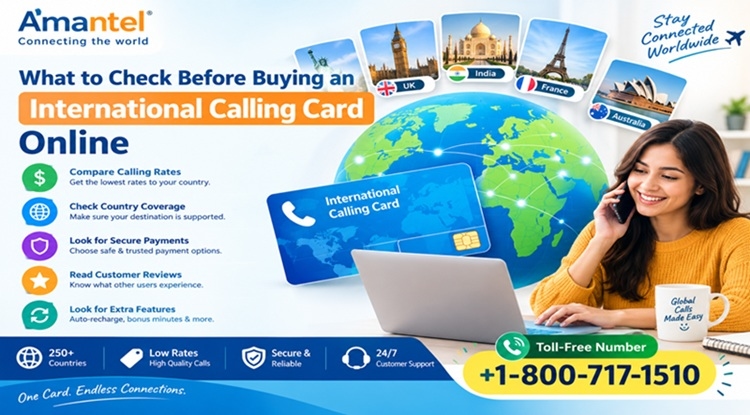
However, not every International Calling Card offers the same value. A card with an attractive headline rate may include connection fees, maintenance charges, short expiry periods, or strict billing rules. Before you buy, review the following details carefully.
Check the Destination Rate
The first thing to check is the rate for the exact country and number type you plan to call. Mobile and landline rates can be different, even within the same destination.
For example, a calling card may offer one rate for a landline and another for a mobile number. If you regularly call India, the UK, the USA, Haiti, Yemen, or Jordan, check the specific rate for each destination before purchasing.
Do not rely only on advertising such as “calls from 1 cent per minute.” That may be a starting rate for selected countries and may not include additional charges. Reputable providers usually let customers check destination rates online or through their calling app before making a purchase.
Look for Connection Fees
A connection fee is charged when your call connects. This fee may apply whether you speak for a few seconds or several minutes.
Connection fees can make short calls expensive. For example, if a card charges a fee every time you connect, making several two-minute calls may cost more than making one longer conversation.
Before buying an International Calling Card Online, check whether the provider charges:
· A connection fee per call.
· A setup or activation fee.
· A fee for using a local or toll-free access number.
· Extra charges for calling mobile numbers.
Understand Minute Rounding
Minute rounding determines how your call time is calculated. Some providers bill by the exact minute, while others round calls to the next minute or a larger block.
If you make frequent short calls, choose an International Calling Card with one-minute or per-second billing whenever possible.
Check Maintenance Fees
Some prepaid cards deduct a regular maintenance fee from your balance. This fee may be charged daily, weekly, or monthly, even when you are not making calls.
A low per-minute price can become less attractive when a provider removes a fixed amount from your account every week. Look for a card with no maintenance fee or one with clearly stated terms. Some rate plans display the weekly fee and rounding policy separately, so read the full pricing details before completing your purchase.
Confirm the Expiry Date
Always check how long your credit remains valid. Some International Calling Card services expire unused balances after a fixed period of inactivity. Other providers allow credit to remain active for longer, provided you make a call from time to time.
If you make international calls only occasionally, a card with a long validity period or non-expiring credit may be more suitable. Some services use periods such as 90, 180, or 365 days, so never assume that prepaid credit lasts forever.
Check How the Card Works
Before purchasing, understand the calling process. A traditional card may require you to:
1. Dial a local access number.
2. Enter a PIN.
3. Dial the destination number in international format.
Other services allow you to call through a mobile app without entering an access number. Some digital services also support PINless dialing, browser calling, or direct calls from your contact list.
Make sure the access number works from your mobile network or landline. If the access number is not toll-free, check whether your phone provider charges for the local call.
Review Call Quality and Support
Low cost is important, but poor call quality can make a service frustrating. Look for providers that offer a test call, clear balance information, and accessible customer support.
After buying a small amount of credit, make a short test call. Check for audio delays, echoes, dropped connections, and unclear sound. If you experience repeated problems, try another network or provider before purchasing more credit.
Compare the True Cost
To compare two cards fairly, calculate the real cost:
Total amount paid ÷ actual minutes received = true cost per minute
Include connection fees, maintenance charges, rounding, and expiry conditions in your comparison. A card with a slightly higher advertised rate may provide better value if it has no hidden charges and uses fair billing.
Final Thoughts
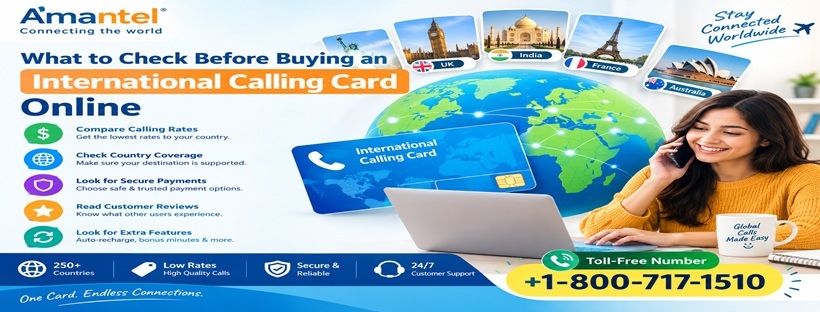
An International Calling Card Online can help you save money, but choosing the right service requires more than comparing headline rates. Check the destination price, mobile and landline coverage, connection fees, maintenance charges, billing increments, expiry rules, access options, and call quality.
Start with a small purchase and test the service before adding a larger balance. By reading the terms carefully, you can find an International Calling Card that offers transparent pricing, dependable calls, and better value for your international communication needs.