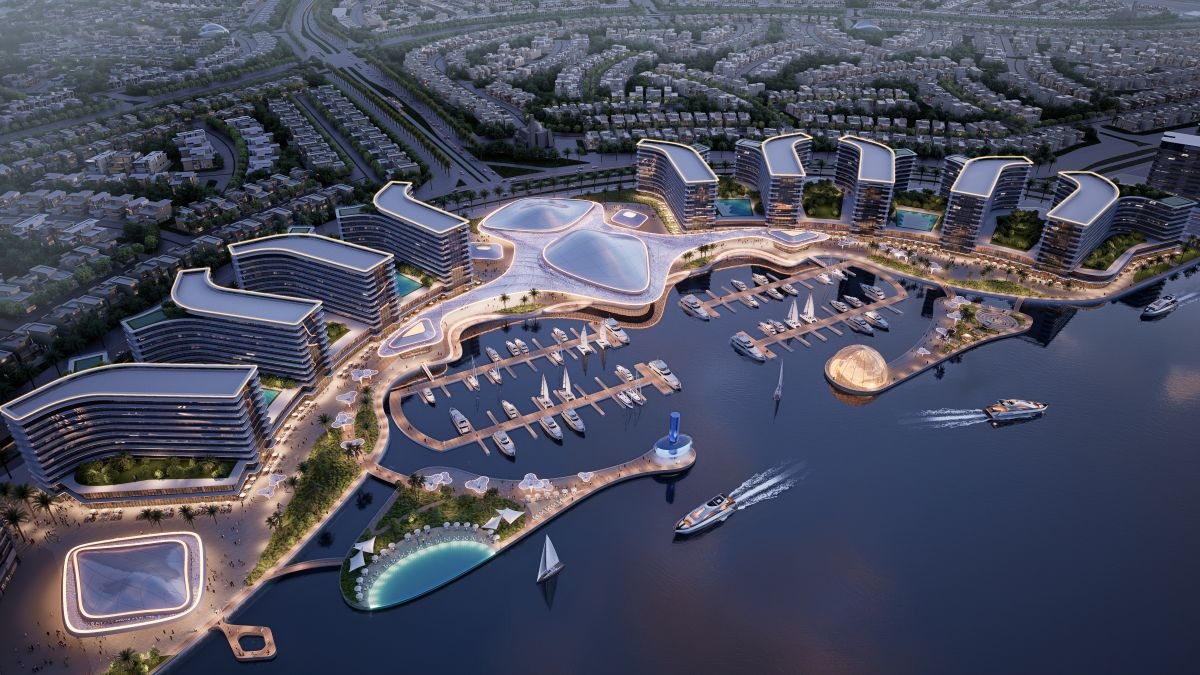
Sobha Realty is known for building in-house and for launching projects in phases, which means payment plans and handover dates can look quite different from one tower or community to the next. A buyer comparing two launches in Sobha Hartland II, or one in Dubai and another on Sobha Siniya Island, may see different booking amounts, different milestone schedules, and completion dates that are months or even years apart. If you are tracking Sobha new projects, this guide explains how the structures typically work, what a real schedule looks like, and what to check before you pay a booking fee.
The Typical Sobha Payment Structure
Market analyses of Sobha's 2024 to 2026 launch cycle describe a standard pattern: a construction-linked plan, usually shown as 60/40. That means roughly 60% of the price is paid before completion and the remaining 40% is due on handover. Some launches have offered alternatives such as 80/20 or 70/30. Post-handover plans, where part of the price is paid after you receive the keys, appear to be less common with Sobha than with some other developers, although selected projects and resale listings do mention them.
The important point is that "60/40" is a shorthand. It does not tell you how the 60% is split between the booking payment and the construction instalments, and that split changes the cash you need at different stages.
How Booking Tranches Vary
Listings for current projects show several different shapes of the pre-handover portion:
Shape | What it means | Example of projects listed with it |
|---|---|---|
20/40/40 | 20% on booking, 40% during construction, 40% on handover | Several Hartland II and Siniya Island launches |
10/50/40 | 10% on booking, 50% during construction, 40% on handover | Selected Sobha One and Siniya villa launches |
20/60/20 | 20% on booking, 60% during construction, 20% on handover | Some Riverside Crescent towers |
60/40 | 60% before handover and 40% on handover, with the split shown in the SPA | Many apartment and beach residence launches |
These labels come from listing portals and can change by phase and unit type. Two projects can both be called 60/40 and still carry quite different cash-flow profiles, depending on when the construction milestones fall.
A Worked Example
Here is an illustrative comparison for a hypothetical unit priced at AED 1,500,000. These are simplified examples, not quotes.
Stage | Plan A: 20/40/40 | Plan B: 10/50/40 |
|---|---|---|
On booking | AED 300,000 | AED 150,000 |
During construction | AED 600,000 | AED 750,000 |
On handover | AED 600,000 | AED 600,000 |
Both plans leave the same 40% for handover, but Plan B asks for less on day one and more during construction. If you are funding payments from a salary or sale proceeds, the timing of those construction instalments matters as much as the totals.
Staggered Handover Dates Across Projects
Because Sobha launches phases at different times, completion targets are staggered. Based on 2026 listing data, examples include:
Late 2026: Projects such as Sobha One and Sobha Seahaven were listed with Q4 2026 delivery
2027: Several Hartland II Riverside Crescent towers were listed for Q1 2027 and Q4 2027
2028: Many newer launches, including Sobha Orbis in Motor City, Green Vistas in Hartland II, and several Siniya Island residences, are listed for 2028
Early to mid 2029: Later phases such as Bayside Marina Residences and AquaCrest on Siniya Island were listed with delivery in 2029
Trade press has also reported that Sobha plans a large number of handovers during 2026, which shows how many projects from earlier launches are reaching completion at the same time as new ones launch.
These dates are targets. Handover depends on construction progress, approvals, and registration, and it can move. If you are comparing projects, look at both the stated date and the stage of construction.
One Important Difference: Dubai vs. Umm Al Quwain
Not every Sobha project is in Dubai. Sobha Siniya Island is located in Umm Al Quwain, which means different local regulations and registration processes apply compared with Dubai projects registered with the Dubai Land Department. Ownership rights, fees, escrow arrangements, and the process for checking project status can differ, so confirm exactly which authority regulates your purchase and how it operates.
What to Verify Before You Pay
Read the sales and purchase agreement (SPA). The payment schedule, milestones, and handover date in the SPA override any brochure or listing summary.
Check each milestone trigger. Some milestones are tied to construction stages, not calendar dates, so ask how and when you will be notified.
Confirm the escrow account. Make sure payments go to the project's designated escrow account and that the details match official records.
Verify the project's registration. For Dubai projects, use the Dubai REST app and the Dubai Land Department to confirm status. For Umm Al Quwain projects, check with the relevant local authority.
Understand the fees. In Dubai, the registration fee is commonly 4% of the price, plus administrative charges. Confirm what applies to your project.
Ask about delays. Review the SPA's delay clauses, including any compensation or termination rights.
Check resale rules. Developers usually require a minimum percentage to be paid and a no-objection certificate before you can transfer a unit.
Plan the handover payment. The 40% balance can be large, so decide in advance how you will fund it, and speak to a mortgage adviser early if you intend to finance it.
Questions to Ask the Sales Team
Which milestones apply to my unit, and what are their trigger events?
What happens to my payments if a milestone is reached early or late?
Is the listed handover date contractual, or a target?
Which escrow account will receive my payments?
What are the service charge estimates and handover costs?
How Takween Aldar Can Help
Comparing phases, plans, and dates across several launches can quickly become confusing. At Takween Aldar, we help buyers read payment schedules, line up milestones with their cash flow, and compare projects side by side so they can plan with confidence. We recommend verifying all contractual terms directly with the developer.
Final Thoughts
Sobha's off-plan plans are generally construction-linked, with 40% commonly due on handover, but booking tranches, milestone timing, and completion dates vary by phase and project. When you review sobha new projects, treat listings as a guide and the SPA as the authority.
Ready to compare your options? Contact Takween Aldar for personalised guidance on sobha new projects and other launches that match your goals.