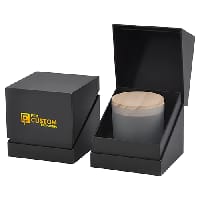
Business cards might seem like a relic in an age of LinkedIn connections and digital contact sharing, yet they remain one of the most consistent first impressions a professional can hand someone in person. What often gets overlooked is that the card itself is only half the story. How that card is stored, carried, and presented, whether in a desk holder, a retail display, or a branded box handed out at a trade show, plays a real role in how seriously the recipient takes the business behind it.
Business card boxes are a small packaging category with outsized influence on perceived professionalism, and brands that treat them as an afterthought are leaving a subtle but real brand impression on the table.
The Overlooked Role of Card Packaging
A business card sitting loose in a wallet or pocket tends to get bent, smudged, or lost within days. A card presented from a clean, sturdy box signals something different immediately. It tells the recipient that the person handing it over cares about details, which is often the exact impression a business wants to create in the first few seconds of a new relationship.
This matters most in a few specific contexts:
Trade shows and conferences, where hundreds of cards are exchanged and only the ones that stand out get kept
Retail and print shop displays, where the box itself is part of the product being sold
Corporate gifting, where a boxed set of cards can double as a small branded gift for new hires or clients
Freelancers and small business owners, who often rely on their card as one of the only physical touchpoints with a potential client
Material and Structure Choices
Rigid Boxes for Premium Presentation
Rigid construction is common for higher-end card boxes, particularly those sold through print shops as part of a premium package. The stiff walls prevent crushing in a bag or drawer and give the box a longer usable life compared to thin folding stock.
Slide-Out Trays
Many card boxes use a two-piece slide-out design, where an inner tray holds the cards snugly while an outer sleeve protects the tray. This style is popular because it allows quick access to individual cards without disturbing the rest of the stack.
Kraft and Minimal Finishes
For businesses leaning into a natural or minimalist brand identity, uncoated kraft board with simple one-color printing keeps the packaging consistent with a clean, understated visual identity, which is increasingly common among consultants, designers, and boutique service providers.
Design Elements Worth Getting Right
A few small design choices consistently separate forgettable card boxes from ones people actually keep:
Snug-fit inserts that prevent cards from sliding or curling inside the box
Embossed or foil-stamped logos that add a tactile, premium touch without increasing print cost significantly
Compact dimensions that fit easily into a bag, drawer, or desk organizer rather than taking up unnecessary space
Consistent branding between the card design and the box itself, so the two feel like one cohesive product rather than mismatched pieces
Businesses ordering custom business card boxes for retail or gifting purposes tend to prioritize these details specifically because the box often outlives the cards themselves, sitting on a desk long after individual cards have been handed out.
Common Mistakes in Business Card Packaging
Choosing a box size that does not match standard card dimensions, leading to loose cards shifting around inside
Skipping structural reinforcement, resulting in boxes that crush easily in a bag or briefcase
Over-designing the box to the point that it distracts from the card itself rather than complementing it
Ignoring quantity flexibility, since freelancers and small businesses often need smaller order runs than large print shops assume
Bringing It Together
Business card boxes occupy a small but meaningful place in professional branding. They protect a physical product that still carries weight in first impressions, and they extend that impression from a single card into a small, tangible piece of branded packaging. Businesses that invest a bit of thought into card box structure and finish tend to find that the box itself becomes part of how the brand is remembered, long after the meeting or trade show conversation has ended.