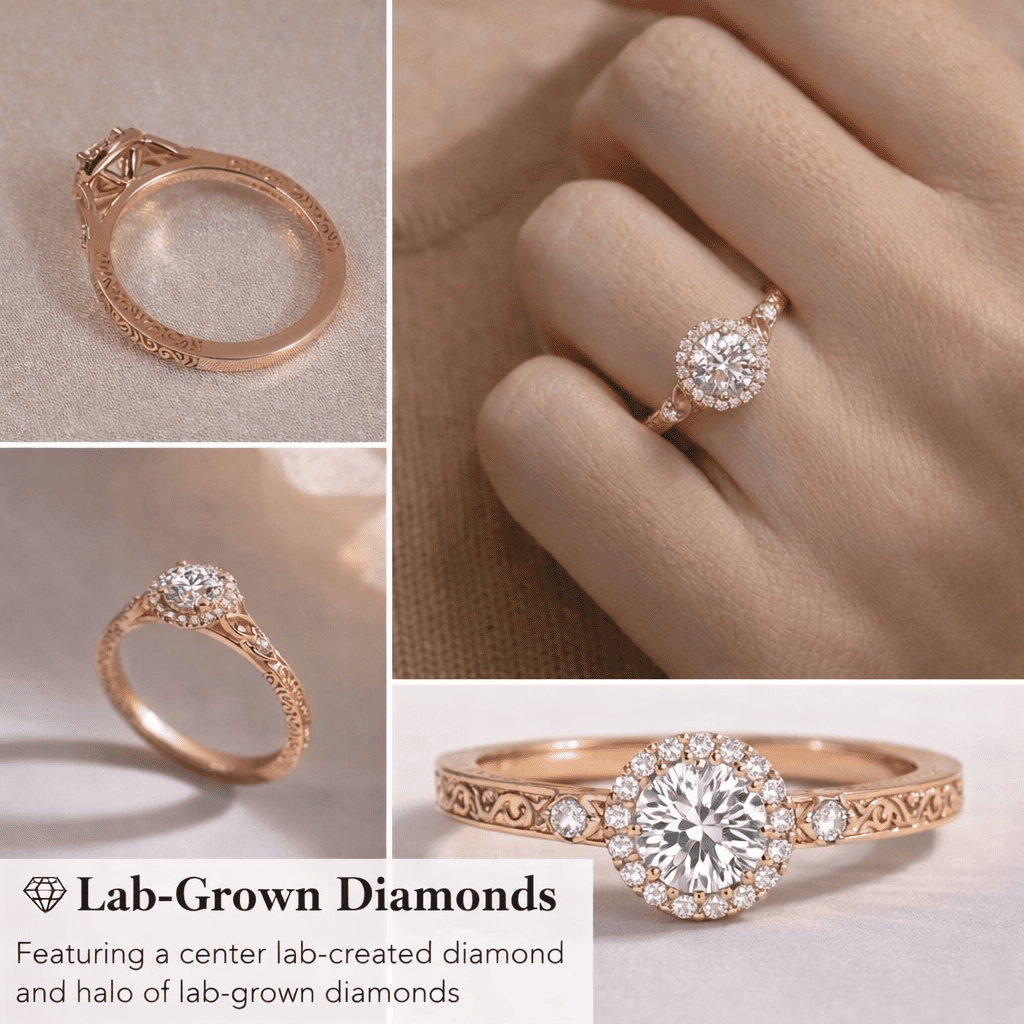
The demand for vintage-inspired jewelry continues to grow, and one style attracting attention in 2026 is the old mine cut lab diamond ring. Known for its distinctive shape and handcrafted appearance, this cut offers a unique alternative to contemporary diamond styles. Whether you're shopping for an engagement ring, an heirloom-inspired piece, or a personal collection item, understanding the characteristics of old mine cut diamonds can help you make an informed decision.
This guide covers everything you need to know before purchasing an old mine cut lab diamond ring, including its history, features, settings, quality factors, pricing, and buying tips.
What Is an Old Mine Cut Diamond?
The old mine cut diamond originated during the 18th and 19th centuries, long before today's precision-cutting technology existed. These diamonds were cut by hand, resulting in a distinctive cushion-like shape with rounded corners, a high crown, a small table, and a larger culet.
Unlike modern cuts designed for maximum light performance, old mine cuts were created to enhance beauty under candlelight. Their handcrafted appearance gives each stone its own character and visual appeal.
Today, advances in laboratory diamond production have made it possible to recreate this historic cut while offering ethical sourcing and greater affordability. This has led to increased interest in the old mine cut lab diamond ring among buyers seeking vintage-inspired jewelry.
Why Choose an Old Mine Cut Lab Diamond Ring?
There are several reasons why buyers are choosing lab-created versions of this historic diamond cut.
Unique Appearance
Old mine cut diamonds have a softer, more organic look compared to modern round brilliant diamonds. Their larger facets create a distinctive visual pattern that appeals to people looking for something different.
Better Value
Lab-grown diamonds typically cost less than mined diamonds of comparable quality. This allows buyers to purchase larger carat sizes or higher clarity grades within their budget.
Ethical and Environmental Considerations
Many consumers prefer lab-created diamonds because they avoid the environmental impact associated with traditional diamond mining while still offering the same physical and chemical properties.
Vintage Style Without the Challenges of Antique Jewelry
Authentic antique rings can require restoration and maintenance. A lab-created old mine cut ring provides the appearance of antique jewelry while offering the durability and reliability of newly crafted pieces.
Explore Old Mine Cut Lab Diamond Ring Styles
When shopping for an old mine cut lab diamond ring, you'll find several styles inspired by historical jewelry periods.
Solitaire Rings
A solitaire setting highlights the unique characteristics of the diamond itself. This style works particularly well for larger old mine cut stones and appeals to buyers seeking understated design.
Halo Settings
Halo designs surround the center stone with smaller diamonds, creating additional visual impact while maintaining a vintage-inspired appearance.
Three-Stone Rings
Three-stone settings combine the old mine cut center stone with side diamonds or gemstones, creating a balanced and traditional look.
Antique-Inspired Settings
Many jewelers create detailed settings featuring milgrain edges, engraved patterns, and filigree work that complement the historic character of old mine cut diamonds.
Understanding the Difference Between Old Mine Cut and Old Mine Brilliant Cut
Many buyers encounter the term old mine brilliant cut diamond ring while researching vintage-style jewelry. Although the terminology varies among jewelers, old mine brilliant cuts generally refer to diamonds featuring the same cushion-like shape and facet arrangement associated with traditional old mine cuts.
The primary distinction between these diamonds and modern brilliant cuts lies in their proportions and handcrafted appearance rather than their overall brilliance performance.
How to Evaluate an Old Mine Cut Lab Diamond
Purchasing any diamond requires careful evaluation. Here are the most important factors to consider.
Carat Weight
Old mine cut diamonds often appear smaller face-up than modern cuts because of their deeper proportions. Consider both carat weight and actual dimensions when comparing options.
Color Grade
Because old mine cuts originated during a different era, many buyers intentionally choose warmer color grades to preserve their vintage appearance. Near-colorless grades remain popular, but slightly warmer tones can enhance authenticity.
Clarity Grade
The larger facets of old mine cuts can make inclusions easier to detect. Choosing a clarity grade that appears clean to the naked eye is usually sufficient.
Cut Quality
Unlike modern round diamonds, old mine cuts do not have universally accepted cut grading standards. Focus on overall symmetry, facet arrangement, and visual appeal rather than relying solely on certification grades.
Choosing the Right Setting
The setting plays a major role in the final appearance of your ring.
Prong Settings
Traditional prong settings maximize the visibility of the diamond while preserving the vintage-inspired character.
Bezel Settings
The old mine cut bezel ring has become increasingly popular because it offers additional protection while creating a distinctive antique appearance. Bezel settings also work well for individuals with active lifestyles.
Cathedral Settings
Cathedral designs elevate the center stone while adding architectural detail and visual balance.
East-West Settings
Some jewelers place cushion-shaped old mine cuts horizontally for a contemporary interpretation of a historic design.
Old Mine Cut Diamond Ring vs. Modern Diamond Ring
When comparing an old mine cut diamond ring with a modern brilliant-cut diamond ring, several differences become apparent.
Feature | Old Mine Cut | Modern Brilliant Cut |
|---|---|---|
Shape | Cushion-like | Round or standardized shapes |
Facets | Larger, hand-inspired | Precisely engineered |
Appearance | Vintage-inspired | Contemporary |
Light Pattern | Broad flashes | Intense brilliance |
Character | Individual variation | Consistent appearance |
The choice ultimately depends on personal preference and style priorities.
Where to Find Old Mine Cut Diamond Rings
As demand continues to increase, more retailers now offer old mine cut diamond rings and lab-created alternatives. Buyers can explore old mine cut lab diamond ring specialized vintage-inspired jewelers, custom designers, and online retailers.
When searching for an old mine cut diamond ring for sale, consider the following factors:
Independent certification reports
Detailed photography and videos
Return policies
Warranty coverage
Customer reviews
Customization options
Reputable jewelers specializing in vintage-style jewelry often provide the best selection and expertise.
Customizing Old Miners Cut Diamond Rings
Many buyers prefer creating custom old miners cut diamond rings to achieve a personalized design.
Customization options include:
Diamond size and proportions
Metal selection
Setting style
Side stone arrangements
Engraving details
Vintage-inspired decorative elements
A custom approach allows buyers to combine historical design influences with their own preferences.
Popular Metal Choices in 2026
The metal you choose significantly affects the appearance of your ring.
Yellow Gold
Yellow gold remains one of the most popular choices for vintage-inspired jewelry because it closely reflects historical jewelry styles.
White Gold
White gold provides a cleaner appearance while maintaining affordability.
Platinum
Platinum offers exceptional durability and naturally complements antique-inspired designs.
Rose Gold
Rose gold creates a warmer appearance that pairs well with old mine cut diamonds.
Many jewelry enthusiasts searching for old miners cut diamond ring designs prefer yellow gold or platinum because of their historical associations.
Budget Considerations for 2026
Pricing for old mine cut lab diamond rings varies depending on several factors:
Carat weight
Diamond quality
Setting complexity
Metal type
Brand reputation
Customization requirements
Lab-created diamonds generally provide significant savings compared to mined stones, allowing buyers to prioritize larger center stones or more elaborate settings.
Before purchasing, establish a realistic budget that accounts for both the diamond and the overall ring design.
Questions to Ask Before Buying
Before finalizing your purchase, ask the jeweler:
Is the diamond laboratory-grown or mined?
Does the diamond include independent certification?
What is the exact faceting style?
Can I view videos of the diamond?
What customization options are available?
What is the return policy?
Is resizing included?
These questions can help prevent unexpected issues after purchase.
Caring for Your Old Mine Cut Ring
Proper care helps preserve your jewelry's appearance over time.
Clean the ring regularly using mild soap and warm water.
Store jewelry separately to avoid scratching.
Remove rings during heavy physical activities.
Schedule periodic inspections of prongs and settings.
Have professional cleaning performed when necessary.
Whether you purchase from a specialized vintage jeweler or a brand such as Antiquecut, regular maintenance remains essential.
Final Thoughts
The popularity of the old mine cut lab diamond ring continues to grow in 2026 as buyers seek distinctive jewelry with historical inspiration. Combining the visual character of antique diamond cutting with the benefits of modern laboratory-grown diamonds, these rings offer an appealing option for engagement rings and fine jewelry collections.
Whether you're considering an old mine cut diamond ring, exploring old mine cut diamond rings, or searching for an old mine brilliant cut diamond ring, taking the time to understand cut characteristics, settings, quality factors, and customization options will help you make a confident purchasing decision. With careful research and thoughtful selection, an old mine cut lab diamond ring can become a meaningful and lasting addition to your jewelry collection.