
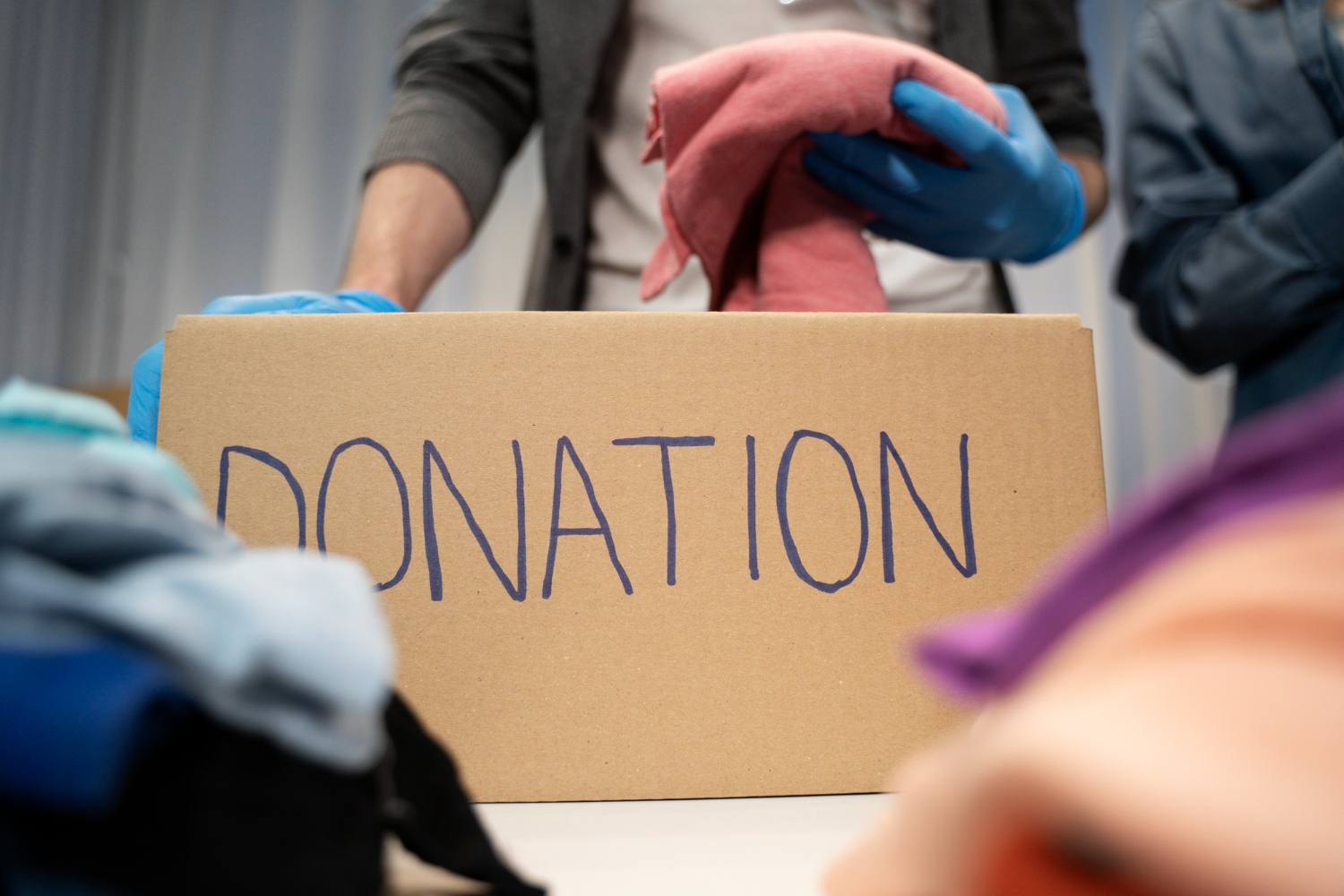
When a humanitarian crisis affects families, children, and communities, many people want to help in a meaningful way. Donating to a trusted charity organisation can be one way to provide support, but choosing the right organisation requires some care. With many charities and fundraising campaigns available online, it can be difficult to know which one deserves your trust.
If you are planning a Palestine Emergency Donation, it is important to look beyond emotional appeals and check how the organisation operates. A reliable charity should clearly explain where donations go, how aid is delivered, and how donors can track the impact of their contribution.
This guide shares five simple ways to choose a Palestine donation charity organisation with greater confidence.
1. Check Whether the Charity Is Registered
One of the first things to check is whether the charity is legally registered in the country where it operates. Registration does not automatically guarantee that every organisation is effective, but it provides an important starting point for checking legitimacy.
Look for Official Registration Details
A trustworthy charity should normally provide information about its legal status, registration number, office address, and responsible organisation or trustees. Look for this information on its official website rather than relying only on social media posts.
If you are considering a Palestine Emergency Donation, take a few minutes to verify these details before sending money. If the organisation avoids providing basic information about its identity or legal status, consider this a warning sign.
Check the Charity's Background
Search for information about the organisation's history and activities. Find out how long it has been operating and whether it has experience delivering humanitarian assistance.
An established organisation will often have reports, project updates, and information about previous programmes that allow potential donors to understand its work.
2. Review How Donations Are Used
Donors naturally want their money to reach people who need assistance. Before making a donation, look at how the charity explains the use of its funds.
Read the Donation Information
A good charity should explain what donations can support. Depending on its programmes, this might include food, clean water, medical support, shelter, hygiene supplies, education, or other humanitarian services.
When considering a Palestine Emergency Donation, read the organisation's donation terms carefully. Some charities may use unrestricted donations where they are most needed, while others may collect money for specific projects.
Understand Administrative Costs
Every charity has operating expenses. Staff, transportation, technology, accounting, fundraising, and other costs may be necessary to deliver aid.
Rather than assuming that any administrative cost is negative, look for clear financial reporting. Transparency about expenses can help you understand how the organisation manages donations.
3. Look for Transparency and Financial Reports
Transparency is one of the most useful factors when selecting a charity. Organisations that openly share information about their finances and programmes make it easier for donors to understand their work.
Find Annual or Financial Reports
Check whether the charity publishes annual reports, financial statements, or other accountability documents. These materials may explain income, expenditure, programmes, and organisational activities.
For people making a Palestine Emergency Donation, these reports can provide useful information about how the organisation handles donor funds.
Look for Regular Updates
A charity should also communicate with supporters about its projects. Updates may include descriptions of aid distributions, programme progress, photographs, videos, or general information about the communities being supported.
However, remember that pictures and social media posts alone do not prove financial accountability. They should be considered alongside official reports and other evidence.
4. Understand How the Charity Delivers Aid
Another important consideration is the organisation's ability to deliver assistance safely and effectively. Humanitarian work can involve complex logistical challenges, so donors should understand how a charity actually carries out its programmes.
Check Its Local Partnerships
Some international charities work through local organisations, community groups, medical teams, or other partners. Others may have their own teams working in the region.
Before making a Palestine Emergency Donation, check whether the organisation explains who delivers its aid and what type of support is provided. Clear information about partnerships can help donors understand how projects are organised.
Look at the Type of Assistance
Consider whether the charity's programmes match the type of help you want to support. For example, you may prefer to contribute to emergency food assistance, healthcare, clean water, shelter, or support for vulnerable families.
There is no single type of humanitarian assistance that suits every donor. The important thing is to understand what your contribution is intended to support.
5. Check Donation Security and Communication
The final step is to make sure the donation process itself is secure. Online fundraising has made giving easier, but it has also created opportunities for fraudulent campaigns.
Donate Through Official Channels
Use the charity's official website or another donation method clearly linked to the organisation. Be careful with unexpected messages asking you to transfer money to personal accounts or unfamiliar payment platforms.
If you want to make a Palestine Emergency Donation, type the charity's official website into your browser or independently verify the donation page rather than clicking an unknown link.
Be Careful With Emotional Pressure
Humanitarian emergencies naturally create strong emotions. However, a legitimate charity should not need to pressure you into making an immediate decision.
Be cautious when a fundraising campaign uses extreme claims, guarantees, or urgent requests without explaining who is collecting the money and how it will be used. Take time to verify the organisation before donating.
What Should You Ask Before Donating?
Before making a Palestine Emergency Donation, you can ask a few straightforward questions:
Is the organisation legally registered?
Does it publish financial or annual reports?
Does it explain how donations are used?
Who delivers its humanitarian programmes?
Does it provide regular project updates?
Is the donation page connected to the official organisation?
Can donors find independent information about the charity?
You do not need to spend hours researching every organisation. Even a short verification process can help you make a more informed donation.
Why Choosing the Right Charity Matters
Choosing a charity is not simply about finding a donation button online. It is about understanding the organisation behind that button. A responsible charity should have clear information about its identity, finances, programmes, and donation process.
When you make a Palestine Emergency Donation, focusing on transparency can help you understand how your contribution may be used. It also encourages charities to maintain strong standards of accountability and communication with their supporters.
Remember that different charities may focus on different humanitarian needs. One organisation may prioritise healthcare, while another may concentrate on food distribution, water, shelter, or other forms of assistance. Reviewing each organisation's stated mission can help you choose one that matches your priorities.
Conclusion
Choosing a Palestine donation charity organisation requires more than simply responding to an emotional appeal. Start by checking registration details, reviewing how donations are used, looking for financial transparency, understanding how aid is delivered, and using secure official donation channels.
A Palestine Emergency Donation can be a meaningful way to support humanitarian efforts when given through a properly verified organisation. Take a little time to research before donating, and look for charities that communicate clearly about their work and finances.
The goal is not to find a perfect organisation, but to make a well-informed choice based on reliable information, transparency, and the type of humanitarian assistance you want to support.
Visit drukarnia for more informative blogs.





