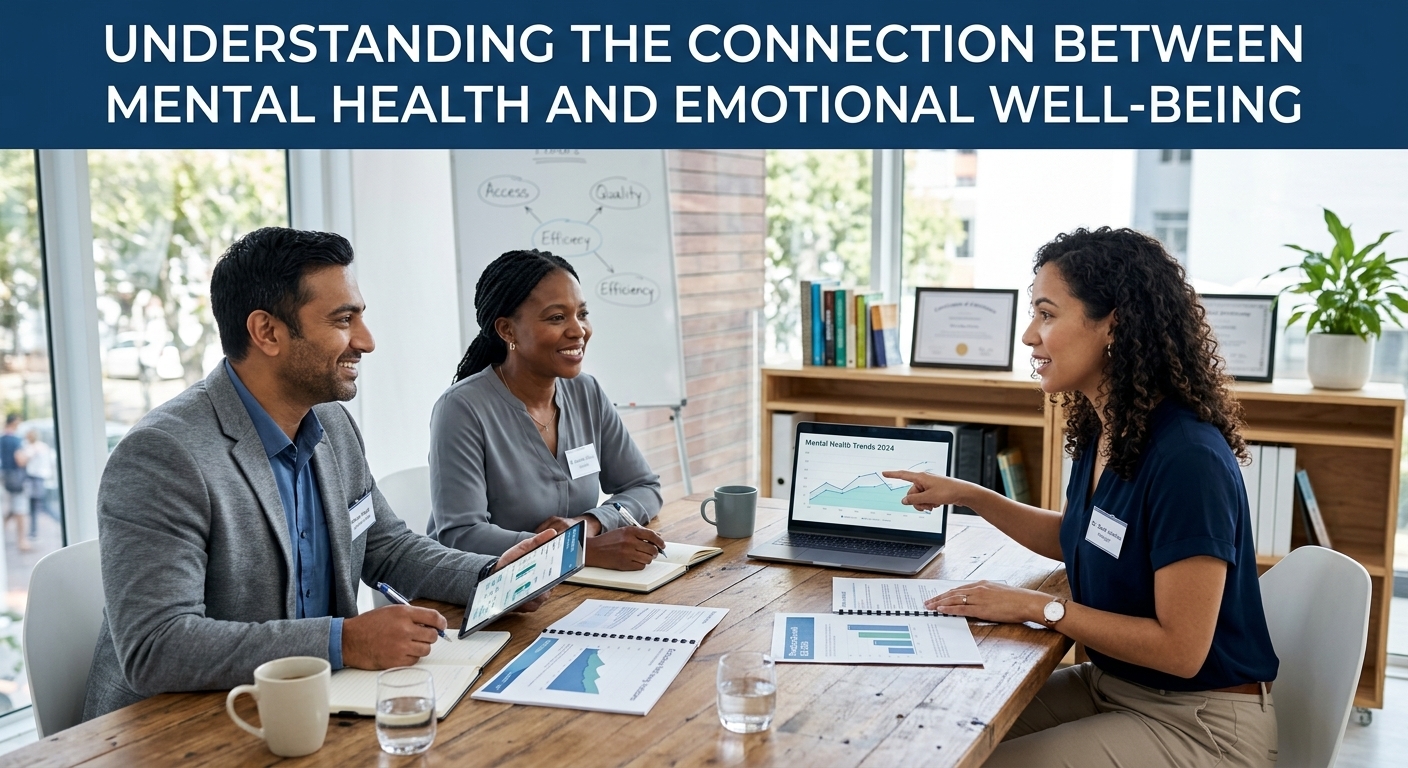
Mental health is an important part of everyday life. It can influence how people think, feel, co
Developing a better understanding of mental health can help people recognize their emotions, identify sources of stress, build healthier habits, and know when additional support may be useful. Greater awareness can also reduce misunderstandings and encourage more open conversations about emotional well-being.
Understanding the Meaning of Mental Health
Avenue Mental Health recognizes that understanding mental health is an important part of creating greater awareness around emotional and behavioral well-being. Mental health involves several areas of functioning, including emotional experiences, thoughts, behaviors, relationships, and the ability to respond to everyday challenges.
Mental health is not something that remains exactly the same throughout life. A person may feel emotionally balanced during one period and experience greater stress during another. Changes in relationships, work, education, finances, family responsibilities, or major life events can all influence mental well-being.
Understanding this changing nature of mental health can help people avoid judging themselves too harshly when they experience difficult emotions.
Mental Health Is Different for Everyone
There is no single definition of what good mental health looks like for every individual. People have different personalities, experiences, responsibilities, support systems, and ways of responding to challenges.
One person may manage stress by spending time with friends, while another may prefer quiet activities or personal reflection. Some individuals may feel comfortable discussing emotions openly, while others may need more time before sharing what they are experiencing.
These differences are normal. Mental health should be considered within the context of each person's circumstances rather than compared directly with someone else's experience.
The Connection Between Thoughts and Emotions
Thoughts and emotions are closely connected. The way a person interprets an event can influence how they feel about it.
For example, making a mistake at work may cause one person to think that the mistake is an opportunity to learn, while another person may immediately believe that the mistake means they are incapable. The same event can therefore lead to very different emotional responses.
Becoming aware of thought patterns can help individuals understand their emotional reactions. This does not mean ignoring difficult circumstances or forcing positive thinking. Instead, it involves recognizing thoughts that may be unrealistic, overly negative, or unnecessarily self-critical.
Recognizing Common Signs of Emotional Stress
Stress can affect people in different ways. Some individuals may become easily irritated, while others may withdraw from social activities or experience difficulty concentrating.
Changes in sleep, appetite, motivation, energy, or mood can sometimes occur during stressful periods. A person may also feel overwhelmed by responsibilities that previously seemed manageable.
Occasional changes do not necessarily indicate a mental health disorder. However, persistent or increasingly disruptive changes may deserve attention.
Being aware of these signs can encourage people to take a closer look at their emotional well-being and consider whether additional support could be helpful.
The Role of Stress in Mental Health
Stress is a normal response to challenging situations. It can occur because of work demands, academic responsibilities, financial concerns, family problems, relationship difficulties, or major changes in life.
Short-term stress can sometimes encourage people to take action. However, prolonged stress may contribute to emotional exhaustion and make everyday responsibilities feel more difficult.
Healthy stress management can include maintaining a regular routine, getting adequate rest, engaging in physical activity, spending time with supportive people, and making room for enjoyable activities.
Learning personal stress signals is also useful. Recognizing early signs can make it easier to respond before stress becomes overwhelming.
Developing Emotional Awareness
Emotional awareness means becoming more familiar with what you are feeling and why. Instead of simply recognizing that something feels wrong, a person can try to identify whether they are experiencing sadness, frustration, anxiety, disappointment, loneliness, anger, or another emotion.
Naming emotions can make them easier to understand. It may also help individuals identify situations that repeatedly affect their mood.
Journaling is one practical way to develop emotional awareness. Writing about daily experiences can reveal patterns that may not be obvious during a busy day.
Mindfulness can also encourage greater awareness by helping individuals pay attention to their current thoughts and feelings without immediately reacting to them.
Building Healthy Coping Skills
Coping skills are strategies people use to manage difficult emotions and stressful situations. Effective coping methods vary from person to person.
Some people benefit from physical activity, creative hobbies, social interaction, relaxation exercises, or spending time outdoors. Others may find it helpful to organize their responsibilities, establish boundaries, or talk with someone they trust.
Healthy coping does not mean avoiding every difficult emotion. Emotional discomfort is a normal part of life. The goal is to develop ways of responding that do not create additional problems.
When existing coping strategies are not enough, professional assistance may provide additional guidance and structure.
Why Social Connections Matter
Human beings generally benefit from meaningful social connections. Supportive relationships can provide encouragement, companionship, understanding, and a sense of belonging.
Talking with a trusted friend or family member can sometimes make a difficult situation feel more manageable. Social interaction can also reduce feelings of isolation.
However, not every relationship is beneficial. Constant conflict, poor communication, criticism, or a lack of respect can contribute to emotional stress.
Healthy relationships involve communication, mutual respect, appropriate boundaries, and emotional support.
The Importance of Mental Health Support
People may seek mental health support for many different reasons. Some may want help managing stress, while others may be dealing with persistent emotional difficulties that affect daily life.
Professional support can provide a safe and structured environment for exploring thoughts, emotions, behaviors, and personal challenges. Depending on individual needs, support may involve counseling, psychotherapy, behavioral strategies, or other appropriate services.
Seeking professional help does not mean that someone is weak or unable to handle life. It can simply mean that a person recognizes a challenge and wants additional tools for managing it.
Support can also be useful before a problem becomes severe. Early attention may help individuals understand concerns and develop strategies for moving forward.
Mental Health and Daily Habits
Everyday habits can influence mental and emotional well-being. Sleep, physical activity, nutrition, social interaction, and daily routines all contribute to overall functioning.
A consistent sleep schedule can support energy and concentration. Regular physical activity can provide an opportunity to reduce tension and maintain physical health.
Daily routines can also create structure. When responsibilities feel overwhelming, breaking them into smaller and more manageable tasks may make them easier to approach.
These habits cannot replace professional treatment when someone is experiencing significant mental health difficulties, but they can contribute to an overall approach to well-being.
Managing Negative Self-Talk
People sometimes speak to themselves more critically than they would speak to someone else. Negative self-talk may involve statements such as believing that every mistake represents failure or that one difficult experience defines the future.
Recognizing this type of thinking can be an important first step. Individuals can ask whether their thoughts are based on facts or whether they are making assumptions about themselves.
Replacing extreme self-criticism with a more balanced perspective can encourage healthier emotional responses. For example, acknowledging a mistake while recognizing that mistakes are part of learning may be more constructive than repeatedly blaming oneself.
Setting Healthy Boundaries
Boundaries help people communicate what they are comfortable with and what they need from relationships and responsibilities.
Without appropriate boundaries, individuals may take on too many responsibilities or find themselves constantly responding to other people's demands.
Healthy boundaries can involve learning to say no, protecting personal time, limiting unnecessary interruptions, or communicating expectations clearly.
Boundaries are not about rejecting other people. They are about creating a healthier balance between personal needs and external responsibilities.
Reducing Misunderstandings About Mental Health
Misunderstandings about mental health can discourage people from seeking support. Some individuals may believe that emotional struggles are simply a matter of personal weakness or lack of discipline.
Mental health challenges can be influenced by many factors, including life experiences, stress, relationships, biological factors, and environmental circumstances.
Education can help replace misconceptions with greater understanding. Open and respectful conversations can also reduce stigma and make it easier for people to discuss emotional difficulties.
When mental health becomes a normal topic of conversation, people may feel more comfortable asking questions and seeking appropriate care.
Knowing When to Seek Professional Help
Difficult emotions are a normal part of life, but certain concerns may require professional attention. If emotional or behavioral changes continue for an extended period or begin interfering with work, school, relationships, sleep, or daily responsibilities, professional guidance may be appropriate.
A qualified mental health professional can help a person understand what they are experiencing and discuss suitable options for support.
It is not necessary to wait until difficulties become severe before seeking help. Talking with a professional can also be a preventive step toward better emotional awareness and healthier coping.
Making Mental Health Awareness Part of Everyday Life
Better mental health understanding begins with awareness. Paying attention to emotions, recognizing stress, maintaining supportive relationships, developing healthy routines, and learning when to ask for help can all contribute to greater well-being.
Mental health does not require perfection. People will continue to experience difficult emotions, unexpected challenges, and periods of uncertainty. What matters is developing healthier ways to understand and respond to those experiences.
By treating mental health as an important part of everyday life, individuals can become more aware of their needs and make informed choices about their emotional and behavioral well-being.