Glutathione injections have gained attention among people seeking brighter-looking skin, antioxidant support, and a more even skin tone. Often discussed as part of cosmetic and wellness treatments, these injections contain glutathione, a naturally occurring antioxidant that helps protect cells from oxidative stress. Although the body produces glutathione on its own, injectable formulations are sometimes promoted as a way to increase its levels and achieve specific cosmetic or health-related benefits.
However, the growing popularity of Glutathione Injections raises an important question: are they safe for long-term use? While glutathione plays an essential role in normal bodily functions, the safety of repeated injections is not as well established as many promotional claims suggest. The potential risks can depend on the dose, frequency of administration, product quality, individual health conditions, and reason for treatment.
Understanding the available evidence can help people make informed decisions before considering this procedure. Rather than focusing only on possible benefits, it is important to examine the limitations of current research, potential side effects, and precautions associated with long-term treatment.
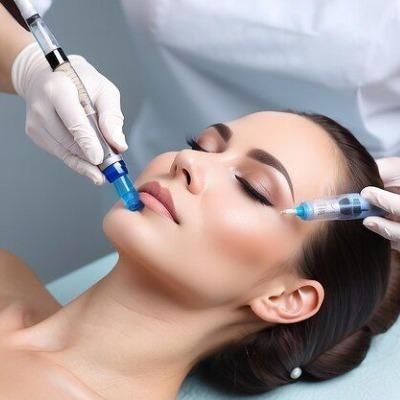
1. What Are Glutathione Injections and How Do They Work?
Glutathione is an antioxidant made from three amino acids: glutamate, cysteine, and glycine. It is present in many cells throughout the body and helps neutralize harmful free radicals, maintain cellular balance, and support certain processes involved in detoxification.
Glutathione is also involved in maintaining the body's antioxidant defenses and supporting normal immune function. Its presence is particularly important in tissues exposed to oxidative stress.
Glutathione injections deliver the substance directly into the body, usually through intravenous administration or, in some settings, intramuscular injection. These methods differ from oral supplements, which pass through the digestive system before the body can use their contents.
In cosmetic settings, glutathione injections are frequently promoted for skin brightening, a more uniform complexion, and a reduction in the appearance of pigmentation. Some wellness providers also market them for general antioxidant support.
Nevertheless, the fact that glutathione has important biological functions does not automatically mean that injecting additional amounts will produce predictable cosmetic results or improve overall health. The effects of supplemental glutathione depend on several factors, and evidence supporting many advertised benefits remains limited.
2. Are Glutathione Injections Safe for Long-Term Use?
The long-term safety of glutathione injections has not been established sufficiently to consider repeated use risk-free. Some studies have explored their short-term effects, particularly in cosmetic applications, but high-quality evidence about prolonged treatment, repeated dosing, and outcomes over several years remains limited.
This distinction matters because a treatment that appears tolerable over a short period may present different concerns when administered repeatedly. Researchers need more evidence to determine which doses, if any, are appropriate for specific conditions, how frequently treatment can be given, and which individuals may be more vulnerable to complications.
Safety also depends on how the injections are prepared and administered. Products obtained from unreliable sources may have problems involving contamination, incorrect concentrations, or inadequate storage. Intravenous administration introduces additional risks because it requires appropriate equipment, sterile procedures, and trained healthcare professionals.
For individuals considering glutathione injections for skin brightening, another important issue is whether the expected benefit justifies the uncertainty. Cosmetic improvements are not guaranteed, and evidence does not establish that repeated injections provide lasting results for everyone.
A qualified healthcare professional can assess an individual's medical history, current medications, allergies, and treatment goals before discussing whether an injectable product is appropriate. A careful assessment is especially important when treatment is being considered for cosmetic purposes rather than for a clearly established medical indication.
Overall, the available evidence does not support assuming that long-term glutathione injections are universally safe. The most responsible approach is to recognize the limitations of existing research and avoid prolonged treatment without appropriate medical guidance.
3. Potential Side Effects and Health Risks of Glutathione Injections
Like other injectable treatments, glutathione injections can cause side effects. Their likelihood and severity may vary depending on the formulation, route of administration, dose, and individual response.
Potential concerns include:
Injection-site reactions: Pain, redness, swelling, or irritation may occur where the substance is administered.
Allergic reactions: Some individuals may experience itching, a rash, swelling, or other signs of sensitivity. Severe allergic reactions require emergency medical attention.
Intravenous administration complications: IV treatment can cause problems associated with the infusion process, including irritation of the vein and complications related to improper technique.
Contamination and infection: Poor preparation, nonsterile equipment, or inadequately controlled products can increase the risk of infection and other serious complications.
Uncertain effects with repeated use: Limited long-term research makes it difficult to determine the full range of potential adverse effects associated with frequent or prolonged administration.
Some reports and clinical discussions have raised concerns about possible liver or kidney complications associated with injectable glutathione products. However, the evidence is insufficient to establish a precise risk for all formulations and dosing schedules. The source of the product, the presence of contaminants, underlying medical conditions, and other medications may influence the outcome.
People should seek urgent medical attention if they develop breathing difficulties, facial or throat swelling, fainting, or other symptoms of a severe allergic reaction after an injection. Significant changes in urination, persistent vomiting, yellowing of the skin or eyes, or other concerning symptoms also warrant prompt medical evaluation.
It is important not to assume that a product is safe simply because it is described as natural or contains a substance already found in the body. The method of administration, amount delivered, and quality of the formulation all influence safety.
4. Do Glutathione Injections Really Brighten the Skin?
Skin brightening is one of the most common reasons people consider glutathione injections. Glutathione has been studied for its possible effects on melanin production, the pigment responsible for skin, hair, and eye color.
Some research suggests that glutathione may influence the biological pathways involved in melanin formation. This has led to interest in its potential role in reducing the appearance of uneven pigmentation or producing a lighter-looking complexion.
However, the evidence remains limited. Available studies have generally been small, have used different formulations and treatment schedules, and have not consistently established the effectiveness or durability of injectable glutathione for cosmetic skin lightening.
Results can also differ between individuals. Skin tone, the cause of pigmentation, sun exposure, hormonal influences, and existing skin conditions may all affect the outcome. Even when a visible change occurs, there is no reliable guarantee that the effect will be substantial or permanent.
Another consideration is that skin brightening is not the same as treating the underlying cause of discoloration. Conditions such as melasma, post-inflammatory hyperpigmentation, and sun-related spots may require different approaches. Identifying the cause helps determine which treatments have the strongest evidence and the most appropriate safety profile.
Daily broad-spectrum sunscreen, protective clothing, and appropriate skincare can help prevent additional sun-related pigmentation. Depending on the condition, established topical treatments may offer a more evidence-based option than repeated injections.
Anyone considering glutathione injections for cosmetic purposes should discuss realistic expectations, available alternatives, and potential risks with a qualified healthcare professional. Claims promising dramatic, permanent, or guaranteed skin whitening should be approached cautiously.
5. Important Precautions Before Starting Long-Term Glutathione Treatment
Before considering glutathione injections, individuals should understand what the treatment is intended to accomplish and whether there is reliable evidence supporting that purpose. A clear treatment goal makes it easier to weigh possible benefits against potential harms.
Several precautions deserve attention.
Medical assessment: A healthcare professional should review relevant medical conditions, allergies, medications, and previous reactions to injectable treatments. People with existing liver or kidney problems should receive particular attention because their individual risks require assessment.
Product quality: The formulation should come from a legitimate, appropriately regulated source. Products of uncertain origin, improperly stored preparations, and injections administered in settings without suitable infection-control procedures can create avoidable risks.
Appropriate administration: Intravenous and intramuscular injections should be administered by qualified personnel using suitable sterile techniques. Self-injection or administration by untrained individuals can lead to serious complications.
Realistic expectations: There is no universally established long-term injection schedule for cosmetic skin brightening. Individuals should be cautious about treatment plans that promise guaranteed outcomes or recommend frequent injections without explaining the supporting evidence.
Monitoring for side effects: New or persistent symptoms should not be ignored. A healthcare professional can determine whether treatment should be stopped and whether further evaluation is necessary.
Pregnancy and breastfeeding: Because safety data are inadequate for many nonessential injectable glutathione uses in these situations, people who are pregnant or breastfeeding should avoid elective treatment unless a qualified healthcare professional determines that a specific medical indication justifies it.
It is also worth remembering that more treatment does not necessarily produce better results. Increasing the dose or frequency without adequate evidence can introduce additional risks without providing a meaningful improvement.
6. Safer Alternatives and Frequently Asked Questions About Glutathione Injections
People interested in antioxidant support or a more even skin tone may have options that do not involve repeated injections.
A balanced diet containing vegetables, fruits, legumes, whole grains, and adequate protein supports normal nutritional needs. Regular physical activity, sufficient sleep, and avoiding smoking can also support general health. These measures do not guarantee higher glutathione levels or replicate the effects of injections, but they contribute to overall well-being.
For uneven skin tone, treatment depends on the underlying cause. Daily sunscreen and dermatologist-recommended topical products may be appropriate for some pigmentation concerns. Ingredients such as azelaic acid, niacinamide, and retinoids may help with certain skin concerns when used appropriately, although suitability depends on the individual's skin and medical history.
Oral glutathione supplements are another option marketed for antioxidant support, but they have their own evidence limitations and should not automatically be considered effective or necessary. Supplements and injections are not interchangeable, and neither should be assumed to provide a particular health benefit without adequate evidence.
1. Are glutathione injections safe for everyone?
No. Safety depends on individual health, the product used, the route of administration, and other factors. People with underlying medical conditions, allergies, or other risk factors need an individualized assessment. The lack of strong long-term evidence means these injections should not be considered universally safe.
2. How long can a person use glutathione injections?
There is no universally established duration for long-term cosmetic glutathione injections. Research has not adequately defined a safe schedule for repeated use over extended periods. Treatment duration should not be based solely on promotional recommendations or anecdotal experiences.
3. Can glutathione injections permanently whiten the skin?
Permanent skin whitening has not been established as a reliable outcome of glutathione injections. Some studies suggest possible changes in pigmentation, but results are inconsistent, and the duration of any effect remains uncertain. Claims of guaranteed permanent whitening are not supported by strong evidence.
4. What are the most common side effects of glutathione injections?
Possible side effects include injection-site discomfort, redness, swelling, and allergic reactions. More serious complications may arise from the administration process, contaminated products, or individual sensitivity. The exact risks of repeated treatment are not fully understood.
5. Are glutathione injections better than oral supplements?
Not necessarily. Injectable and oral products differ in how they are delivered and absorbed, but higher or more direct exposure does not automatically translate into better clinical outcomes. The evidence is insufficient to establish injectable glutathione as the best option for cosmetic skin brightening or general wellness.
6. What should someone do before trying glutathione injections?
A person should discuss the intended benefit, available evidence, product quality, possible adverse effects, and alternatives with a qualified healthcare professional. Treatment should only be considered after an individualized assessment, and urgent symptoms following an injection should receive prompt medical attention.
Glutathione injections may appear attractive because of their proposed antioxidant and skin-brightening benefits, but their long-term safety and effectiveness remain uncertain, particularly for cosmetic use. The body already produces glutathione naturally, and additional injections do not guarantee improved health or a lighter complexion.
The best decision involves weighing the available evidence, understanding the possible risks, and considering alternatives with a stronger safety and effectiveness record. A cautious, informed approach can help individuals avoid unrealistic promises and make choices that prioritize their long-term health.
Read More About Glutathione Injections: https://zekond.com/read-blog/410042