Starting a new medical treatment is an important decision, particularly when it involves weight management and blood sugar control. Mounjaro has gained attention for its role in managing type 2 diabetes and supporting weight reduction in eligible individuals. However, before beginning treatment, patients should understand how the medication works, its potential benefits, possible side effects, and the precautions involved. A detailed discussion with a qualified healthcare professional can help ensure that treatment decisions are safe and appropriate.
For individuals exploring Mounjaro Muscat, preparing questions before an appointment can make the consultation more productive. Rather than focusing only on expected weight loss, patients should consider their medical history, current medications, treatment goals, and long-term health requirements. Understanding these factors helps individuals make informed decisions and develop realistic expectations before starting treatment.
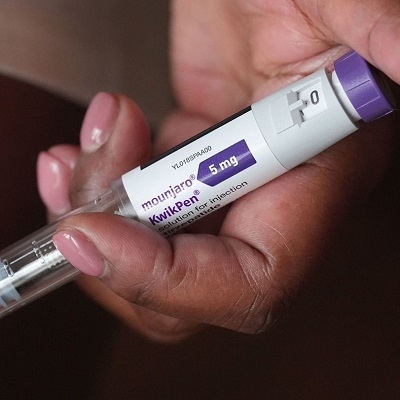
1. What Is Mounjaro and How Does It Work?
Mounjaro is the brand name for tirzepatide, a prescription medication administered through a once-weekly injection. It works by activating two hormone receptors: glucose-dependent insulinotropic polypeptide (GIP) and glucagon-like peptide-1 (GLP-1). These hormones play important roles in regulating blood sugar levels, appetite, and digestion.
By acting on these receptors, Mounjaro can help the body release insulin when blood sugar levels are elevated, reduce the amount of glucose released by the liver, and slow the movement of food through the stomach. It can also influence appetite signals, helping some individuals feel satisfied after smaller meals.
Before treatment, patients should ask their healthcare provider to explain how tirzepatide works and whether its effects align with their health objectives.
Important questions may include:
How does Mounjaro affect blood sugar and appetite?
Is the medication suitable for the patient's current health condition?
How long might it take to notice changes?
Does treatment require dietary and lifestyle adjustments?
What happens if a weekly injection is missed?
Understanding the medication's mechanism of action gives patients a clearer picture of what treatment involves and why medical supervision is important.
2. Is Mounjaro Suitable for the Patient's Health Needs?
Not everyone is an appropriate candidate for Mounjaro. Although the medication may offer benefits for certain individuals, suitability depends on several factors, including medical history, current health conditions, medications, and treatment goals.
A healthcare professional should assess the patient's overall health before recommending treatment. Individuals considering Mounjaro for weight management should discuss their body weight, medical history, previous weight-management attempts, and any existing conditions that could influence treatment safety.
Patients should disclose whether they have a history of:
Pancreatitis or pancreatic disorders.
Gallbladder disease or gallstones.
Severe digestive or gastrointestinal conditions.
Kidney problems or dehydration-related complications.
Diabetic eye disease.
Allergic reactions to medications.
Mounjaro also carries a boxed warning in the United States regarding thyroid C-cell tumours observed in animal studies. It is contraindicated in people with a personal or family history of medullary thyroid carcinoma or multiple endocrine neoplasia syndrome type 2 (MEN2) under US prescribing information.
Patients should ask whether any personal or family medical history makes treatment unsuitable. Pregnancy, plans to become pregnant, and breastfeeding should also be discussed because tirzepatide may not be appropriate in these circumstances.
A thorough assessment helps establish whether the potential benefits outweigh the risks for the individual.
3. What Dosage Is Appropriate and How Is Treatment Administered?
One of the most important topics to discuss before starting Mounjaro is the recommended dosage. Tirzepatide treatment generally begins with a low dose to allow the body to adjust gradually.
For adults, the usual starting dose is 2.5 mg once weekly for four weeks. The dose is then generally increased to 5 mg once weekly. Depending on the patient's response and tolerability, a healthcare professional may recommend further increases at intervals of at least four weeks. The maximum recommended dose for adults is 15 mg once weekly.
However, the appropriate dose depends on the treatment indication, individual response, and medical circumstances. Patients should never increase, decrease, or discontinue their dosage without professional guidance.
During the consultation, patients should ask:
Which starting dose is appropriate?
When might the dosage need to increase?
What should be done if side effects develop?
What happens if an injection is missed?
How should the injection be administered correctly?
Mounjaro is injected under the skin, commonly in the abdomen, thigh, or upper arm. Injection sites should be rotated to reduce the possibility of local skin reactions.
Patients should also learn how to store the medication properly, handle injection equipment, and dispose of used needles safely. Following the prescribed instructions helps reduce administration errors and supports consistent treatment.
4. What Side Effects and Risks Should Patients Know About?
Understanding possible side effects is essential before starting any prescription medication. Mounjaro can cause digestive symptoms, particularly when treatment begins or the dosage increases.
Commonly reported side effects include:
Nausea.
Diarrhoea.
Constipation.
Vomiting.
Abdominal discomfort.
Reduced appetite.
Indigestion.
Injection-site reactions.
These symptoms are often mild to moderate and may improve as the body adjusts. Nevertheless, patients should understand which symptoms can be managed through routine guidance and which require medical attention.
There are also less common but potentially serious risks associated with tirzepatide.
Pancreatitis: Severe or persistent abdominal pain, particularly when accompanied by vomiting, may indicate inflammation of the pancreas. This requires prompt medical assessment.
Gallbladder problems: Some patients may experience gallstones or gallbladder inflammation. Symptoms can include upper abdominal pain, fever, nausea, or yellowing of the skin and eyes.
Dehydration and kidney problems: Persistent vomiting or diarrhoea can cause fluid loss, potentially affecting kidney function.
Low blood sugar: The risk of hypoglycaemia may increase when Mounjaro is used alongside insulin or certain other diabetes medications, particularly sulfonylureas.
Allergic reactions: Serious allergic reactions are possible. Facial or throat swelling, difficulty breathing, or a severe widespread reaction requires emergency medical attention.
Patients should ask their healthcare provider which symptoms require immediate attention and how side effects will be monitored throughout treatment.
5. How Does Mounjaro Interact with Other Medications and Lifestyle Habits?
Before treatment begins, patients should provide a complete list of prescription medications, over-the-counter products, vitamins, and supplements they currently use.
Mounjaro can affect how quickly the stomach empties. This may influence the absorption of certain oral medications, making it important for healthcare professionals to review the patient's existing treatment plan.
Particular attention is needed when Mounjaro is combined with insulin or sulfonylureas because dosage adjustments to those medications may be necessary to reduce the risk of low blood sugar.
Another important consideration involves oral contraceptives. Tirzepatide may reduce the effectiveness of oral hormonal contraceptives, particularly after starting treatment and following dose increases. Patients using oral contraception should discuss additional or alternative contraceptive methods with their healthcare provider for four weeks after starting treatment and for four weeks after each dose escalation.
Lifestyle habits also play an important role in treatment outcomes.
Patients should discuss:
Dietary choices: Balanced meals containing protein, fibre, vegetables, and other essential nutrients can support general health.
Hydration: Drinking sufficient water may help reduce dehydration, especially if digestive side effects occur.
Physical activity: Regular movement and appropriate exercise can support weight management and metabolic health.
Sleep habits: Consistent sleep routines contribute to overall well-being and appetite regulation.
Eating patterns: Smaller meals and avoiding excessively rich or greasy foods may help some individuals manage nausea.
Mounjaro should not be viewed as a replacement for healthy lifestyle habits. A sustainable approach combines appropriate medical treatment with nutritional guidance and physical activity.
6. What Results, Monitoring, and Long-Term Commitment Should Patients Expect?
Before beginning treatment, patients should understand that results vary considerably. Some individuals may experience changes in appetite and blood sugar relatively early, while meaningful weight changes may take longer.
The extent of weight reduction depends on several factors, including the prescribed dose, treatment duration, starting weight, health conditions, eating habits, and physical activity.
A healthcare professional should explain what outcomes are realistic and how progress will be evaluated.
Regular follow-up appointments may involve:
Monitoring body weight and changes in body composition.
Reviewing blood glucose levels and HbA1c when relevant.
Assessing blood pressure and other metabolic health indicators.
Checking for side effects and medication tolerance.
Reviewing nutritional intake and hydration.
Adjusting treatment when clinically appropriate.
Patients should also ask how long treatment may continue and what could happen if the medication is stopped. Weight regain is possible after discontinuation, particularly if appetite returns and previous eating patterns resume.
It is equally important to understand that Mounjaro is not necessarily a short-term solution. Long-term treatment decisions should be based on medical needs, treatment response, safety, and professional recommendations.
A clear follow-up plan helps patients understand their progress and identify potential concerns before they become more serious.
Frequently Asked Questions About Mounjaro
1. Is Mounjaro suitable for everyone who wants to lose weight?
No. Mounjaro is a prescription medication, and suitability depends on individual medical circumstances. A healthcare professional must assess the patient's health history, weight-management needs, existing conditions, and potential risks before recommending treatment.
2. How quickly can patients notice results from Mounjaro?
The timeline varies between individuals. Some patients notice reduced appetite or changes in blood sugar during the early stages, while weight changes generally develop over a longer period. Results depend on dosage, treatment duration, lifestyle habits, and individual response.
3. Does Mounjaro need to be injected every day?
No. Mounjaro is generally administered once weekly. Patients should follow their prescribed injection schedule and consult their healthcare provider if they miss a dose or need to change their regular injection day.
4. Can Mounjaro cause nausea and digestive discomfort?
Yes. Nausea, diarrhoea, constipation, vomiting, and abdominal discomfort are among the commonly reported side effects. These symptoms may improve as the body adjusts. Persistent or severe symptoms should be discussed with a healthcare professional.
5. Can Mounjaro be used alongside other diabetes medications?
In some cases, yes. However, combining Mounjaro with insulin or sulfonylureas can increase the risk of hypoglycaemia. A healthcare professional may need to review and adjust the existing medication plan to support safe treatment.
6. What happens when someone stops using Mounjaro?
After stopping treatment, appetite and blood sugar levels may change. Some individuals may regain weight, particularly without continued lifestyle support. Patients should discuss a suitable long-term management plan with their healthcare provider before discontinuing treatment.
Final Thoughts
Preparing for Mounjaro treatment involves more than understanding its potential weight-management benefits. Patients should become familiar with how tirzepatide works, whether it is appropriate for their health needs, the correct dosage, possible side effects, medication interactions, and the importance of ongoing monitoring.
Asking relevant questions before treatment helps individuals develop realistic expectations and make informed decisions. A professional medical assessment is essential for identifying potential risks and establishing an appropriate treatment plan.
For anyone considering Mounjaro, the most important step is to prioritise safety, maintain open communication with a healthcare professional, and approach treatment as part of a broader commitment to long-term health and well-being.
Read More About Mounjaro Muscat: https://socialfollow.demo4.dedicatedhost247.com/blogs/24629/Does-Mounjaro-Reduce-Appetite-Insights-for-Muscat-Users