The eyes are often one of the first facial features people notice, and changes around the eyelids can influence how refreshed, alert, and youthful someone appears. As people age, the delicate skin surrounding the eyes gradually loses elasticity, muscles may weaken, and excess fat can create puffiness or under-eye bags. These changes can make a person look tired even when they feel well-rested. Eyelid surgery, also known as blepharoplasty, is a cosmetic procedure designed to address some of these concerns and improve the appearance or function of the eyelids.
One common question among people considering this procedure is whether there is an ideal age to undergo it. The truth is that age alone does not determine suitability. Factors such as skin condition, overall health, personal concerns, and individual treatment goals are equally important. People exploring Eyelid Surgery in Oman can benefit from understanding when the procedure may be appropriate, what signs to look for, and how to make an informed decision.
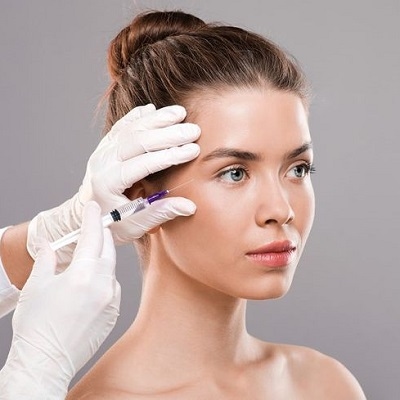
Is There an Ideal Age for Eyelid Surgery?
There is no universally recommended age for eyelid surgery because the ageing process affects everyone differently. Some individuals begin noticing drooping eyelids or persistent puffiness in their thirties, while others may not experience noticeable changes until their fifties or sixties.
In general, eyelid surgery is commonly considered by adults in their late thirties, forties, fifties, and beyond. However, younger adults may also be suitable candidates when they have naturally heavy upper eyelids, hereditary under-eye bags, or other structural concerns.
The most important consideration is whether the individual has a specific concern that can be addressed through surgery. A person's overall health, eyelid anatomy, skin elasticity, and expectations should be evaluated before deciding on treatment.
Rather than waiting for a particular birthday, individuals should focus on identifying the changes affecting their eyelids and discussing suitable options with a qualified medical professional.
What Age Groups May Benefit from Eyelid Surgery?
Different age groups may consider eyelid surgery for different reasons. Understanding how eyelid concerns develop over time can help individuals recognise whether the procedure may be worth exploring.
Eyelid Surgery in the 20s and 30s
Although eyelid surgery is more commonly associated with middle-aged and older adults, younger individuals may also experience concerns that make them consider the procedure.
Some people naturally have excess upper eyelid skin or prominent fat deposits beneath their eyes due to genetics. Others may develop noticeable under-eye bags even when they get sufficient sleep and maintain a healthy lifestyle.
In these situations, surgery may be considered to address inherited anatomical features rather than age-related changes.
However, younger individuals should carefully evaluate whether surgery is necessary. Temporary puffiness, allergies, inadequate sleep, and lifestyle habits can also contribute to changes around the eyes. Less invasive approaches may be appropriate depending on the underlying cause.
Eyelid Surgery in the 40s
The forties are a common period when people begin noticing more visible signs of ageing around their eyes.
Skin gradually loses collagen and elasticity, which can contribute to loose upper eyelid skin, fine lines, and under-eye wrinkles. Fat around the eyes may also become more noticeable as supporting tissues change.
For some individuals, upper eyelids may begin to look heavy, creating a tired or less refreshed appearance. In certain cases, excess upper eyelid skin can even interfere with peripheral vision.
Eyelid surgery may help address these concerns by removing or repositioning selected tissues. People in this age group often consider the procedure to achieve a more refreshed appearance while maintaining their natural facial characteristics.
Eyelid Surgery in the 50s and 60s
People in their fifties and sixties frequently consider eyelid surgery because age-related changes may become more pronounced during these decades.
Common concerns include:
Excess skin hanging over the upper eyelids.
Noticeable puffiness beneath the eyes.
Persistent under-eye bags.
Loose skin and wrinkles around the eyelids.
A heavy appearance that makes the eyes look smaller.
Difficulty seeing clearly because of excess upper eyelid skin.
For suitable candidates, surgery may improve the appearance of the eyelids and, when excess skin obstructs vision, potentially provide functional benefits.
Being in the sixties does not automatically make someone unsuitable for surgery. General health, healing ability, eye health, and surgical risks are more important considerations than age alone.
Eyelid Surgery After 70
Older adults may also consider eyelid surgery if they are in good overall health and have concerns that can be addressed through the procedure.
However, careful assessment is particularly important in this age group. Medical conditions, medications, dry eyes, circulation, and the body's ability to recover should all be considered.
The decision should be based on an individual's health and expected benefits rather than an arbitrary age restriction.
What Signs Indicate That Someone May Need Eyelid Surgery?
Age is only one part of the decision-making process. Certain physical changes may indicate that an individual could benefit from an eyelid assessment.
Some common signs include:
1. Drooping Upper Eyelids
Loose or excess skin can gradually develop on the upper eyelids. In more noticeable cases, the skin may rest close to or over the eyelashes, creating a heavy appearance.
2. Persistent Under-Eye Bags
Fat deposits beneath the eyes can become more prominent over time. These bags may create a tired appearance that does not improve with adequate sleep or skincare.
3. Excess Eyelid Skin
Reduced skin elasticity can lead to folds and loose skin around the eyes. When these changes become pronounced, surgery may be considered.
4. A Constantly Tired Appearance
Some people appear tired or older because of puffiness, drooping eyelids, or changes in the tissues surrounding their eyes, even when they feel energetic.
5. Reduced Peripheral Vision
Excess upper eyelid skin can sometimes interfere with the upper or side portions of a person's visual field. When this occurs, a medical assessment is important to determine whether functional eyelid surgery may help.
Not every eyelid concern requires surgery. A proper evaluation can help identify whether the changes are related to ageing, genetics, an underlying eye condition, or another factor.
What Factors Matter More Than Age When Considering Eyelid Surgery?
Although age can influence skin condition and healing, several other factors play a significant role in determining whether someone is a suitable candidate.
Overall Health
Good general health is important for anyone considering an elective surgical procedure. Certain medical conditions, including uncontrolled diabetes, cardiovascular problems, and bleeding disorders, may increase surgical risks.
A medical professional should review the individual's health history before recommending treatment.
Eye Health
The eyes and surrounding structures must be carefully assessed before surgery. Conditions such as dry eye, glaucoma, thyroid-related eye problems, and previous eye surgeries may influence treatment planning.
Individuals with existing eye concerns should discuss them during their consultation.
Skin Elasticity and Eyelid Structure
The condition of the skin, muscles, and supporting tissues can influence the surgical approach and expected results.
Some individuals have good skin elasticity despite being older, while others develop loose eyelid skin at a relatively young age.
Personal Expectations
Realistic expectations are essential. Eyelid surgery can improve selected concerns, but it cannot stop the natural ageing process or completely eliminate every wrinkle around the eyes.
A suitable candidate should understand the potential benefits, limitations, and possible complications before proceeding.
Recovery and Lifestyle Considerations
The recovery process requires time and proper aftercare. Individuals should be prepared to follow medical instructions, attend follow-up appointments, and temporarily avoid activities that could interfere with healing.
Smoking, certain medications, and some lifestyle factors may also affect recovery and should be discussed beforehand.
What Are the Benefits and Risks of Eyelid Surgery?
Eyelid surgery can provide both cosmetic and functional benefits when performed for appropriate reasons.
Potential benefits include:
Reducing excess skin on the upper eyelids.
Improving the appearance of under-eye bags.
Creating a more refreshed and rested appearance.
Improving eyelid contour and definition.
Addressing certain cases of visual obstruction caused by excess upper eyelid skin.
Supporting greater confidence in facial appearance.
However, eyelid surgery is still a surgical procedure, and it carries potential risks.
Possible complications include swelling, bruising, infection, bleeding, scarring, dry eyes, temporary blurred vision, difficulty closing the eyes, and asymmetry. Rare but serious complications involving vision can also occur.
The results and recovery experience vary depending on the individual's anatomy, health, surgical technique, and healing response.
A thorough consultation helps individuals understand whether the potential benefits outweigh the risks in their particular circumstances.
How to Know When It Is the Right Time for Eyelid Surgery
Choosing the right time for eyelid surgery involves more than noticing wrinkles or reaching a certain age. It requires an understanding of personal concerns, medical suitability, and treatment expectations.
Individuals considering the procedure can begin by evaluating the changes they have noticed around their eyes. They should consider whether these changes are persistent, whether they affect their appearance or vision, and whether non-surgical approaches have been helpful.
A professional consultation is an important next step. During the assessment, the medical professional may examine the eyelid skin, muscle function, fat distribution, eye health, and facial structure. Medical history and current medications should also be reviewed.
The consultation provides an opportunity to discuss the most appropriate approach, possible outcomes, recovery expectations, and potential complications.
There is no need to rush into surgery simply because the eyelids have started showing signs of ageing. A carefully planned decision is more important than choosing a particular age.
Ultimately, the best time to consider eyelid surgery is when an individual has a clearly identified concern, understands the available treatment options, and is medically suitable for the procedure.
Frequently Asked Questions About the Best Age for Eyelid Surgery
1. What is the most common age for eyelid surgery?
Eyelid surgery is commonly considered by adults in their forties, fifties, and sixties. However, younger adults with hereditary under-eye bags or naturally heavy eyelids may also be suitable candidates. The ideal age depends on individual anatomy, health, and treatment goals.
2. Is 30 too young to have eyelid surgery?
No, turning 30 does not automatically make someone too young for eyelid surgery. Some adults in their twenties or thirties have inherited eyelid concerns that may be addressed through surgery. A professional assessment is necessary to determine whether treatment is appropriate.
3. Is 50 a good age for eyelid surgery?
Yes, many people consider eyelid surgery around the age of 50 because excess skin, puffiness, and under-eye bags may become more noticeable. Suitability depends on overall health, eye condition, and individual expectations.
4. Can someone have eyelid surgery after the age of 65?
Yes, individuals over 65 may be suitable candidates if they are in sufficiently good health. Age alone is not a reason to rule out surgery. Medical history, eye health, healing ability, and potential surgical risks should be carefully evaluated.
5. How long do eyelid surgery results last?
Results can last for many years, although they vary between individuals. The procedure addresses existing concerns but does not stop natural ageing. Skin may continue to change over time, and some age-related changes may gradually reappear.
6. Is eyelid surgery only performed for cosmetic reasons?
No, eyelid surgery can have both cosmetic and functional purposes. While many people seek treatment to improve the appearance of drooping eyelids or under-eye bags, others may require upper eyelid surgery when excess skin interferes with their vision.
Read More About Eyelid Surgery: https://socialfollow.demo4.dedicatedhost247.com/blogs/22446/Eyelid-Surgery-Without-General-Anesthesia-Is-It-Possible