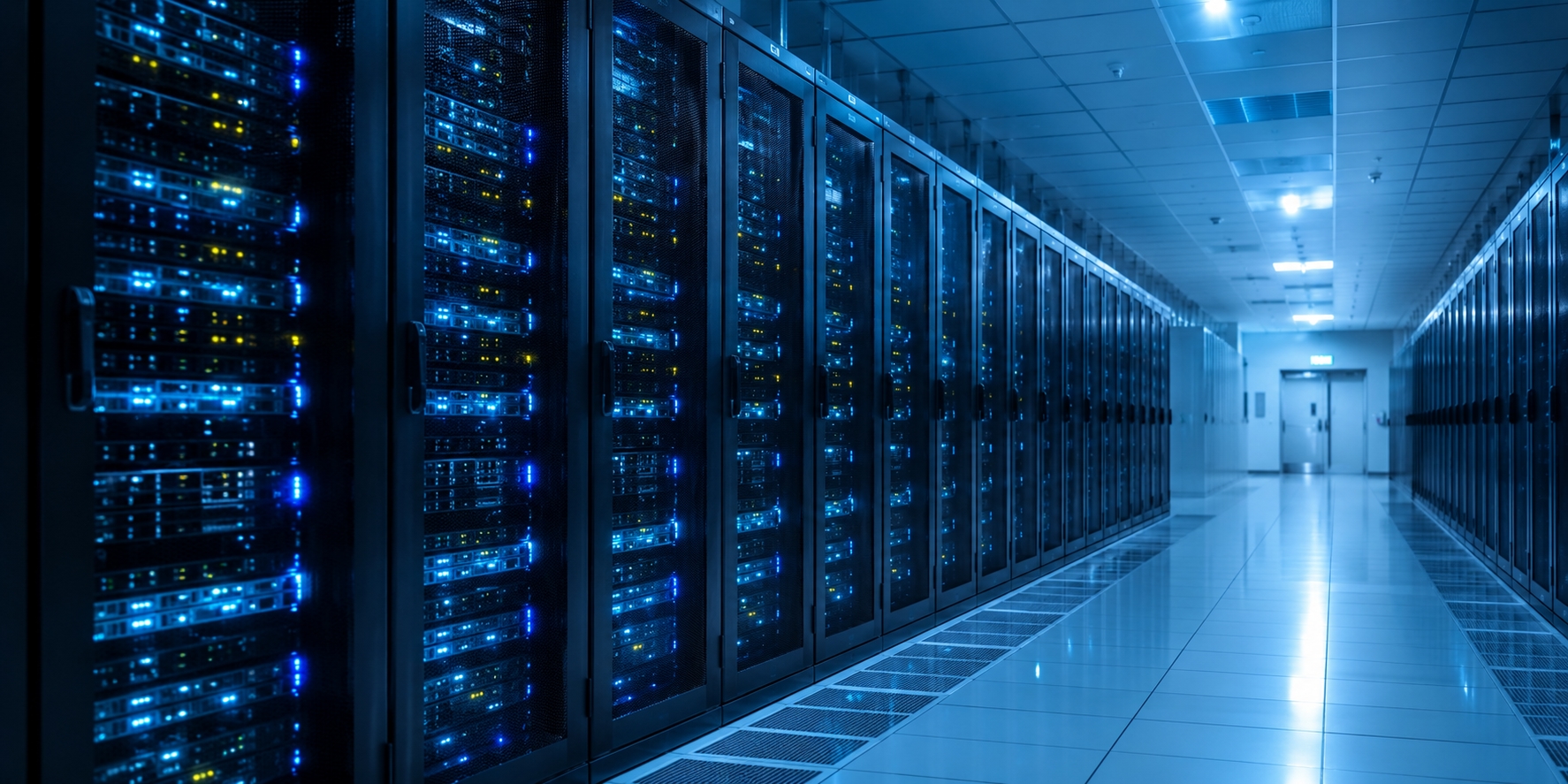
Australia data center infrastructure is becoming increasingly important to the country’s digital economy. Organisations are adopting cloud platforms, artificial intelligence, connected devices, and advanced analytics to improve operational efficiency and customer experiences. These technologies require secure facilities capable of processing, storing, and transferring large volumes of information. As digital workloads become more complex, operators are developing high-capacity facilities with scalable computing systems, efficient cooling technologies, resilient power arrangements, and strong cybersecurity controls. This development is helping Australia strengthen its position as an important digital infrastructure destination within the Asia-Pacific region.
Building the Foundation for a More Connected Economy
Data centers support many of the digital services used by businesses, public institutions, and consumers. Cloud-based software, online banking, video platforms, e-commerce systems, government portals, and communication services depend on reliable computing infrastructure. Growing dependence on these services is encouraging organisations to move away from conventional on-site server rooms and adopt colocation, cloud, and hyperscale facilities.
Cloud migration provides businesses with flexible access to processing power and storage without requiring them to maintain extensive physical infrastructure. Small and medium-sized enterprises can scale their digital operations more efficiently, while larger organisations can manage complex workloads across hybrid and multi-cloud environments. This shift is increasing the need for facilities that offer uninterrupted connectivity, dependable power, physical security, and technical support.
Cloud Migration and AI Workloads Reshape Capacity Needs
According to MarkNtel Advisors, the Australia data center market growth was valued at approximately USD 5.81 billion in 2024 and is projected to reach around USD 7.32 billion by 2030, reflecting an estimated CAGR of 3.93% during 2025–2030. Rising cloud adoption, cybersecurity requirements, regulatory compliance, and demand for real-time digital support are contributing to this expansion.
Artificial intelligence is also changing infrastructure requirements. Training and operating AI models requires high-density computing equipment, rapid networking, advanced storage, and specialised cooling. Conventional facilities may not always be designed for these demanding workloads. Operators are therefore upgrading server environments, installing higher-density racks, and examining liquid cooling and other efficient thermal-management methods. Hyperscale facilities are expected to gain importance as cloud providers and technology companies expand their ability to handle AI, machine learning, and big-data applications.
Supporting Practical Digital Applications
Modern computing facilities support applications across banking, healthcare, telecommunications, government, retail, energy, and professional services. Financial institutions require secure and resilient infrastructure for digital payments, transaction processing, fraud detection, and regulatory reporting. Healthcare organisations use cloud platforms to manage clinical information, diagnostic tools, remote consultations, and administrative systems while protecting sensitive records.
Government agencies also depend on local infrastructure to deliver digital services and maintain access to important information. Meanwhile, manufacturers and energy companies are using connected sensors, automation platforms, and predictive analytics to monitor equipment and improve productivity. These applications increase demand for computing environments that can deliver low latency, high availability, and effective protection against cyber risks.
According to the Australian Government Digital Transformation Agency, secure and accessible digital services are important for improving interactions between public institutions, individuals, and businesses.
Major Cities Anchor National Digital Development
Sydney and Melbourne remain central locations for Australian data center development because they contain large business communities, telecommunications networks, cloud availability zones, and international connectivity. Brisbane is also becoming more relevant as demand increases across Queensland and operators explore opportunities beyond the two largest established hubs.
Regional and edge facilities could play a greater role as connected devices, autonomous systems, streaming platforms, and real-time applications become more common. Processing information closer to users can reduce latency and improve service reliability. However, site selection depends on access to electricity, fibre networks, suitable land, water resources, skilled workers, and manageable environmental conditions. These requirements may influence how capacity is distributed across different states.
The Australian Department of Industry, Science and Resources has highlighted the strategic importance of computing capacity in supporting artificial intelligence, research, digital skills, and broader national innovation.
Balancing Energy Demand with Responsible Operations
Energy consumption represents one of the most significant considerations for data center operators. Servers, networking equipment, storage systems, and cooling technologies require continuous electricity. High-density AI workloads can further increase power demand, placing additional pressure on electricity grids and operating costs. Developers must therefore consider energy availability at an early stage when planning new facilities or expanding existing sites.
Sustainability expectations are encouraging the adoption of renewable electricity, energy-efficient cooling, improved power usage effectiveness, and better water-management systems. Operators may also use workload scheduling, battery storage, and demand flexibility to reduce pressure during periods of high grid demand. These measures can support environmental objectives, although they may require substantial capital investment and close coordination with utilities and regulators.
The Australian Department of Climate Change, Energy, the Environment and Water notes that energy-efficiency policies can help balance the economic benefits of data centers with their electricity use and environmental effects.
Companies Expanding Australia’s Computing Ecosystem
Australia’s computing ecosystem includes domestic operators, international colocation providers, cloud companies, infrastructure specialists, and construction partners. Companies identified in the report include NextDC Limited, Equinix Inc., AirTrunk, Canberra Data Centres, DXN Limited, Digital Realty, Macquarie Data Centres, Global Switch, and Stack Infrastructure.
These organisations compete through facility location, available capacity, connectivity, operational reliability, security, and sustainability performance. Partnerships with electricity providers, telecommunications companies, technology vendors, and government bodies may become increasingly important as facilities require greater access to renewable power, high-speed networks, technical expertise, and AI-ready equipment.
Australia data center development is expected to remain closely connected to cloud adoption, AI deployment, cybersecurity priorities, and local data requirements. Continued investment could expand national computing capacity while supporting businesses that need dependable digital infrastructure. The pace of development may depend on electricity availability, planning approvals, sustainability performance, and access to skilled professionals. Facilities that combine scalability, resilience, efficient cooling, renewable energy, and strong security may be better positioned to support Australia’s evolving digital requirements. This progress could also strengthen the country’s role within regional cloud and technology networks.