
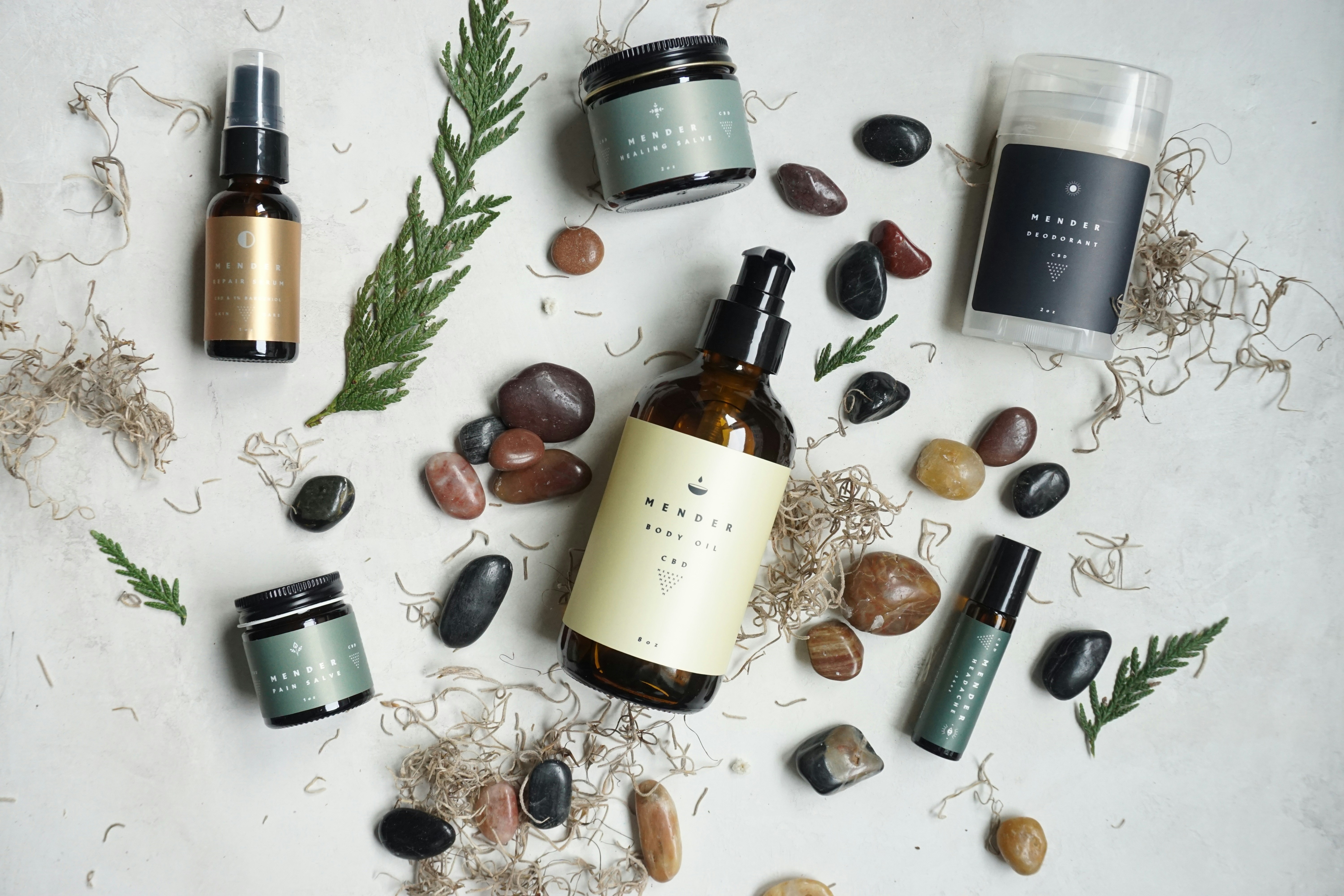
The beauty industry is one of the most competitive markets in the world, projected to reach $580 billion by 2027. Whether you're launching a new skincare line or scaling an established cosmetics brand, standing out requires more than a great product—it demands a smart, sophisticated marketing strategy.
Below, we've rounded up 10 proven strategies that top beauty brands are using to capture attention, build loyalty, and drive sales.
1. The Power of Authenticity: Why Real Stories Resonate
Consumers are more skeptical than ever. With access to endless product reviews and behind-the-scenes content, shoppers can spot inauthenticity from a mile away. Brands that lead with real stories—founder journeys, product origin stories, honest before-and-afters—consistently outperform those that rely solely on polished advertising.
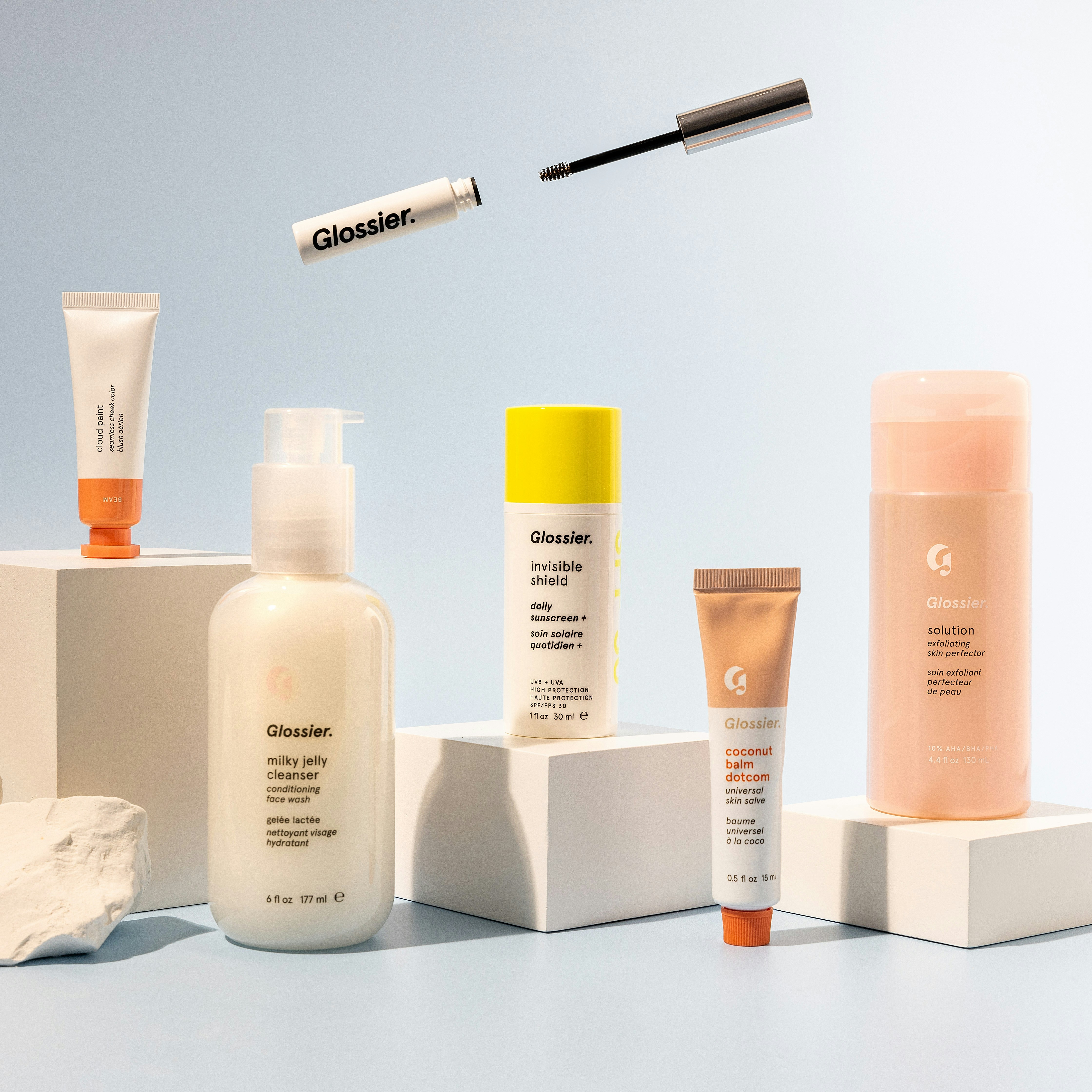
Take Glossier as a prime example. The brand built its empire almost entirely on authentic customer stories and minimal-makeup aesthetics, resonating deeply with millennials who were tired of unattainable beauty standards. The lesson? Vulnerability and transparency are not weaknesses—they're powerful differentiators.
Tip: Audit your current content. If it reads more like a sales brochure than a genuine conversation, it's time for a refresh. Start by sharing the "why" behind your brand.
2. Influencer Collaborations: Maximizing Reach and Credibility
Influencer marketing in beauty is not new, but the way brands approach it has evolved significantly. A mega-influencer partnership might offer reach, but micro-influencers (those with 10,000–100,000 followers) often deliver higher engagement rates and more targeted audiences.
A 2023 study found that micro-influencers in the beauty space generate up to 60% more engagement than their macro counterparts. Why? Their audiences trust them like a friend, not a celebrity. Partnering with a dermatologist-turned-content-creator, for instance, adds a layer of credibility that a traditional ad simply cannot replicate.
Tip: Don't just look at follower counts when vetting influencers—analyze their comment sections. Genuine, thoughtful comments are a stronger indicator of audience trust than likes alone.
3. User-Generated Content: Building Community and Trust
User-generated content (UGC) is the beauty industry's most underutilized asset. When a real customer posts a glowing review or a makeup tutorial using your product, it carries more weight than any paid campaign. According to Nielsen, 92% of consumers trust organic, user-generated content more than traditional advertising.
Brands like e.l.f. Cosmetics have mastered this strategy, routinely reposting customer content and even building entire campaigns around it. The result is a self-sustaining community of brand advocates who promote your products for free.
Tip: Create a branded hashtag and actively encourage customers to use it. Feature UGC prominently on your website and social channels to show your audience that their voices matter.
4. Experiential Marketing: Creating Memorable Brand Interactions
In a crowded digital landscape, physical and experiential marketing can cut through the noise in ways that online ads cannot. Pop-up stores, beauty workshops, and immersive brand activations give consumers a tangible connection to your brand—something they can see, feel, and share.
Charlotte Tilbury's immersive pop-up experiences, complete with personalized consultations and Instagram-worthy backdrops, are a masterclass in experiential marketing. These events don't just sell products—they sell a lifestyle. And the social media content generated by attendees extends the campaign's reach far beyond those who were physically present.
Tip: Even on a tight budget, experiential marketing is achievable. A well-designed in-store event or a partnership with a local spa can create meaningful brand touchpoints without a massive investment.
5. Personalization at Scale: Tailoring Beauty to Individual Needs
The one-size-fits-all approach is quickly becoming obsolete in beauty marketing. Consumers expect brands to understand their unique skin type, tone, and preferences—and to communicate accordingly. Personalization at scale is no longer a luxury; it's an expectation.
Brands like Function of Beauty and Curology have built their entire business models around personalized beauty solutions. Even larger brands are catching up, using quiz-based product finders and AI-powered recommendation engines to deliver tailored experiences to millions of customers simultaneously.
Tip: Start small by adding a product recommendation quiz to your website. This not only personalizes the shopping experience but also provides valuable data on your customers' needs and preferences.
6. Sustainability and Ethics: Appealing to Conscious Consumers
Sustainability is no longer a niche concern—it's a mainstream expectation. A 2022 McKinsey report found that 66% of consumers consider sustainability when making a purchase, with that number rising to 73% among millennials. For beauty brands, this means that eco-friendly formulations, ethical sourcing, and sustainable packaging are no longer optional.
Packaging, in particular, is a significant touchpoint. Thoughtfully designed, eco-friendly custom cosmetics packaging boxes signal to consumers that your brand's values extend beyond the product itself. Brands like Lush and RMS Beauty have made sustainability central to their identity, earning fierce customer loyalty as a result.
Tip: If you're not ready for a complete sustainability overhaul, start with one area—whether it's switching to recyclable packaging or committing to cruelty-free formulations. Small, genuine changes are more credible than sweeping, unsubstantiated claims.
7. The Digital Shelf: Optimizing E-Commerce for Beauty
Your product's digital shelf presence is just as important as its placement in a physical store. In beauty e-commerce, the difference between a conversion and a bounce often comes down to product page quality. High-resolution imagery, shade-matching tools, detailed ingredient lists, and authentic reviews all play a critical role.
Amazon's beauty category is a useful benchmark here. Top-selling beauty products on the platform consistently feature multiple product images, video demonstrations, and a high volume of verified reviews. Replicating these elements on your own e-commerce store can significantly boost conversion rates.
Tip: Conduct a product page audit. Check that every listing includes at minimum five high-quality images (including lifestyle shots), a video where possible, and a clear, benefit-led product description.
8. Interactive Content: Engaging Your Audience With Quizzes and AR
Interactive content is rapidly becoming a cornerstone of beauty marketing. Virtual try-on tools, powered by augmented reality (AR), allow customers to test lipsticks, eyeshadows, and foundations in real time—without setting foot in a store. The results speak for themselves: brands using AR features report up to 94% higher conversion rates compared to those without.
L'Oréal's acquisition of AR beauty tech company ModiFace was a strategic masterstroke, enabling the brand to offer virtual try-ons across its entire portfolio. But you don't need a billion-dollar budget to leverage AR—platforms like YouCam Makeup and Perfect Corp offer accessible solutions for brands of all sizes.
Tip: If AR isn't within reach yet, start with interactive quizzes. They're cost-effective, highly shareable, and provide valuable insights into your customer base.
9. Data-Driven Strategies: Using Analytics to Refine Your Approach
Great beauty marketing is equal parts creative and analytical. Brands that consistently outperform their competitors do so because they make decisions based on data—not gut instinct. From A/B testing email subject lines to analyzing which product pages have the highest drop-off rates, data provides a roadmap for continuous improvement.
Tools like Google Analytics, Klaviyo, and Hotjar give brands granular insights into customer behavior. Sephora, for instance, uses purchase data and browsing history to power its highly effective personalized email campaigns—a strategy that has contributed significantly to its industry-leading customer retention rates.
Tip: Identify the three most important metrics for your business right now—whether that's email open rates, website conversion rates, or customer lifetime value—and build your analytics strategy around improving those specific numbers.
10. The Future of Beauty Marketing: Trends to Watch
The beauty industry evolves quickly, and the brands that thrive are those that anticipate change rather than react to it. Several emerging trends are poised to reshape beauty marketing in the coming years.
AI-powered beauty advisors are becoming increasingly sophisticated, offering real-time skincare diagnostics and personalized product recommendations. Social commerce—the ability to purchase directly through platforms like TikTok and Instagram—is removing friction from the buying journey and transforming how beauty products are discovered. And inclusive beauty, long overdue, is now a commercial imperative, with brands that authentically represent diverse skin tones and types consistently outperforming those that don't.
Tip: Dedicate time each quarter to scanning the competitive landscape. Follow industry publications like Glossy and Beauty Independent to stay ahead of emerging trends before they become mainstream.
Beauty marketing rewards those who are willing to experiment, listen to their audience, and adapt quickly. The strategies outlined above aren't just theoretical—they're the building blocks of some of the most successful beauty brands in the world. Pick one or two to focus on, execute them with intention, and measure the results. From there, the path forward becomes much clearer.
Ready to take your beauty brand to the next level? Start by auditing your current marketing strategy against these ten principles and identify where the biggest opportunities lie