
When arranging vehicle transportation, most customers naturally begin by comparing prices. One company may offer a lower estimate, while another provides a more detailed explanation of its services. However, the cheapest quote does not necessarily represent the best value. An equally important consideration is car shipping insurance and what protection is actually available if a vehicle is damaged during transportation.
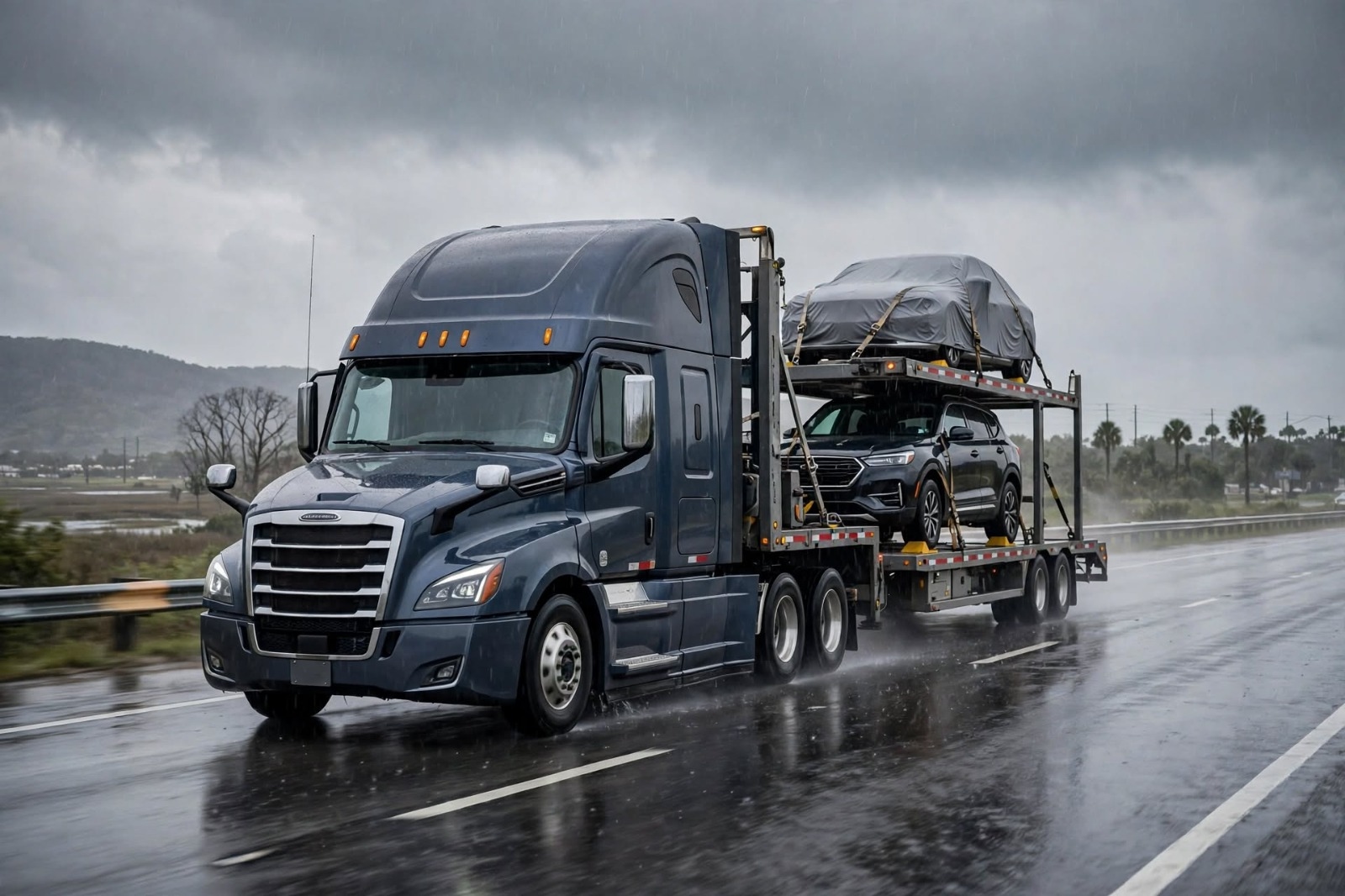
Many buyers assume that every auto transport quote includes identical coverage. In reality, insurance arrangements can differ depending on the carrier, policy terms, exclusions, and transportation agreement. Before choosing a provider, customers should understand what is covered, who is responsible, and which documents matter if something goes wrong.
Rapid Auto Shipping helps customers arrange vehicle transportation across the United States. Understanding insurance details before booking can make the decision process more informed and help prevent unexpected confusion during delivery.
The Price Is Only One Part of the Quote
Two transportation estimates may look similar at first glance, but their terms can be quite different. A quote should be evaluated according to the complete service arrangement rather than its headline price.
For example, customers should check whether the estimate explains:
The transportation service being arranged.
Whether the company is a broker or a motor carrier.
Which carrier is expected to handle the vehicle.
The estimated pickup and delivery arrangements.
The carrier's insurance information.
Potential additional charges or special requirements.
A quote that provides little information about coverage should prompt further questions. Buyers should request clarification instead of assuming that insurance details will automatically match those offered by another company.
Understanding Who Actually Provides the Coverage
One of the most commonly overlooked details is the difference between a transportation broker and a motor carrier.
A broker generally arranges transportation between customers and authorized motor carriers. The carrier is the company that physically transports the vehicle and typically maintains the insurance relevant to its operations.
This distinction matters because customers should know which carrier will handle their vehicle and what coverage applies to that particular shipment.
When reviewing car shipping insurance, ask the provider:
Who will physically transport my vehicle?
Can I receive the assigned carrier's insurance information?
What are the applicable coverage limits?
Are there exclusions or deductibles?
How can I verify the policy details?
Do not rely solely on a general statement that a shipment is insured. Request the relevant documentation and understand its terms.
Coverage Limits May Not Tell the Whole Story
A policy may advertise a substantial coverage limit, but that number does not automatically mean every type of damage is covered.
Insurance policies can contain conditions involving the type of damage, the circumstances of an incident, vehicle condition, deductibles, and exclusions. For example, pre-existing scratches, mechanical problems, personal belongings inside the vehicle, and certain types of damage may receive different treatment under the applicable policy.
Customers should therefore look beyond the maximum coverage amount.
Ask whether the policy applies to the specific vehicle being transported and whether any special requirements exist for modified, luxury, classic, or unusually valuable vehicles.
If the vehicle has a high market value, consider discussing whether the available carrier coverage is appropriate for its value. Do not assume that a policy's maximum limit guarantees reimbursement for the vehicle's full value.
The Inspection Report Is More Important Than Many Buyers Realize
Insurance discussions often focus on policy documents, but the vehicle inspection process is another essential part of protecting your interests.
At pickup, the carrier generally records the vehicle's visible condition through an inspection report or Bill of Lading. This document helps establish the condition of the vehicle before transportation.
Before signing, customers should:
Walk around the vehicle with the carrier's representative.
Check visible scratches, dents, glass, and other exterior components.
Make sure existing damage is accurately recorded.
Take clear photographs from multiple angles.
Keep a copy of the completed documentation.
Repeat the inspection when the vehicle arrives at its destination. Compare its condition with the original report and document any newly observed damage.
A careful inspection creates a useful record if a claim needs to be reviewed.
Questions to Ask Before You Accept an Estimate
Instead of asking only whether insurance is included, buyers should ask questions that reveal how the coverage works.
What is the policy limit? Find out the maximum applicable coverage and whether it differs for particular vehicle types.
Are there deductibles? A deductible may affect the amount payable under a covered claim.
What damage is excluded? Request information about exclusions, pre-existing conditions, mechanical issues, and personal belongings.
Who handles a claim? Confirm whether the claim should be submitted to the carrier, its insurer, or another designated contact.
What is the reporting deadline? Ask how quickly damage must be documented and reported.
These questions are especially important when comparing multiple companies. Clear answers make it easier to evaluate the actual transportation arrangement rather than relying on marketing language.
What to Do If You Notice Damage at Delivery
Even after taking precautions, customers should know how to respond if the vehicle arrives with damage that was not recorded at pickup.
First, inspect the vehicle before signing the final delivery paperwork. Compare the new condition with the pickup report and photographs.
If you identify new damage:
Photograph the affected areas clearly.
Record the issue on the delivery inspection report or Bill of Lading.
Notify the carrier representative immediately.
Keep copies of all transportation documents.
Contact the carrier or the designated claims representative promptly.
Follow the insurer's instructions for submitting supporting evidence.
Avoid making assumptions about whether a claim will be approved. The insurer will review the circumstances, documentation, and applicable policy terms.
Rapid Auto Shipping encourages customers to understand the transportation arrangement and ask questions about the assigned carrier's insurance information before confirming a shipment.
Make an Informed Decision Before Booking
Comparing auto transport quotes requires more than identifying the lowest price. Buyers should understand who is transporting their vehicle, what insurance applies, which exclusions matter, and how damage must be documented.
By reviewing these details in advance, customers can avoid common misunderstandings and make more confident booking decisions. When evaluating car shipping insurance, prioritize clear documentation and specific answers over broad promises. Rapid Auto Shipping can help customers discuss their transportation requirements and understand the details they should review before arranging vehicle delivery.
Frequently Asked Questions
1. Does every auto transport quote include car shipping insurance?
Insurance arrangements vary. Ask whether the assigned carrier maintains applicable coverage and request details about the policy before booking.
2. Does carrier insurance cover every type of vehicle damage?
No. Coverage depends on the policy's terms, exclusions, limits, and the circumstances of the damage. Review the documentation carefully.
3. Should I take photographs before shipping my car?
Yes. Photographs taken before pickup and again at delivery can help document the vehicle's condition and support a potential claim.
4. Does car shipping insurance cover personal belongings inside the vehicle?
Do not assume that personal belongings are covered. Many carrier policies exclude them, so ask the provider and review the applicable terms before leaving anything inside.
5. Who should I contact if my car arrives damaged?
Document the damage on the delivery paperwork, notify the carrier, and follow the designated claims process. Keep copies of all supporting records.





