Discover common CNC machining mistakes that affect accuracy, surface finish, and tool life, with practical tips to improve precision and avoid costly errors.
CNC Tool Mistakes That Reduce Machining Accuracy (And How to Avoid Them)
Precision is one of the most important requirements in modern manufacturing. Even a small machining error can affect product dimensions, surface finish, and overall production quality. Choosing the right cnc tool is important, but proper selection, setup, and maintenance are equally necessary. Many machining problems occur because of small mistakes that operators overlook during daily operations.
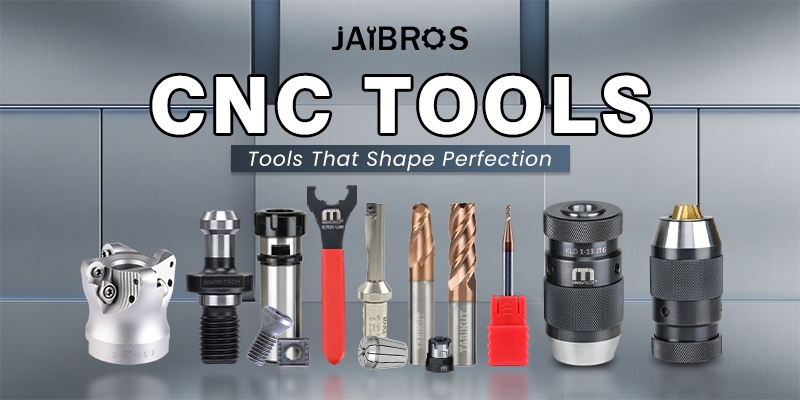
Understanding these common mistakes can help machinists improve accuracy, reduce material waste, and maintain consistent results. Let's look at the major causes of machining inaccuracies and how to prevent them.
1. Using the Wrong Cutting Tool for the Material
One common mistake is selecting a cutting tool without considering the workpiece material. Different materials require different cutting properties, tool geometries, and grades. A tool suitable for aluminium may not perform equally well when machining stainless steel or hardened steel.
For example, using an unsuitable drill can cause excessive heat, poor hole quality, and premature wear. Similarly, selecting the wrong insert grade can lead to chipping or an inconsistent surface finish.
How to avoid it:
Identify the workpiece material before selecting a tool.
Check the recommended cutting speed and feed rate.
Choose suitable tool geometry and coating.
Use appropriate carbide drills for drilling applications.
Matching the cutting tool to the material helps maintain dimensional accuracy and improves tool life.
2. Incorrect Cutting Speed and Feed Rate
Cutting speed and feed rate directly affect machining performance. If the speed is too high, excessive heat can damage the cutting edge. If the feed rate is too low, the tool may rub against the material instead of cutting efficiently.
On the other hand, an excessively high feed rate can create vibration, poor surface finish, and dimensional errors.
How to avoid it:
Always follow the manufacturer's recommended cutting parameters. Consider the material, tool diameter, workpiece hardness, and machining operation before adjusting settings. Make small adjustments when testing a new setup rather than changing several parameters at once.
3. Poor Tool Holding and Incorrect Alignment
Even a high-quality cutting tool cannot deliver accurate results if it is not held properly. Incorrect clamping, worn collets, loose holders, or improper alignment can cause tool runout.
Tool runout creates uneven cutting forces and may produce oversized holes, poor finishes, and unnecessary vibration. It is particularly important during precision drilling and milling operations.
How to avoid it:
Check the tool holder and clamping system before starting the machine. Clean the contact surfaces and ensure the tool is securely fitted. Inspect collets and holders regularly for wear or damage. Also, verify alignment and runout using suitable measuring equipment.
A properly maintained cnc machine tool setup provides better stability and repeatability.
4. Ignoring Tool Wear and Damaged Cutting Edges
Cutting tools gradually lose their sharpness through regular use. Continued machining with worn edges can increase cutting forces, generate excessive heat, and affect the final dimensions.
Sometimes operators continue using an insert because it still appears usable. However, small cracks, chipped edges, and uneven wear can reduce machining accuracy.
How to avoid it:
Inspect cutting edges at regular intervals and replace damaged inserts when necessary. Monitor changes in cutting sound, surface finish, and machining temperature. Using suitable Deskar inserts for the intended application can also help maintain consistent cutting performance.
Tool inspection should be part of routine machine maintenance, not something done only after a machining problem occurs.
5. Incorrect Boring Operations
Boring is commonly used to improve the accuracy and finish of existing holes. However, incorrect tool selection, excessive tool overhang, or improper adjustment can cause tapered holes, chatter marks, and inaccurate diameters.
A poorly configured boring tool may also deflect under cutting pressure, especially when machining deep holes.
How to avoid it:
Select a suitable boring head or boring bar according to the required diameter and machining depth. Keep tool overhang as short as practical and use appropriate cutting parameters. Check the boring head adjustment carefully before machining.
For precision internal machining, choosing the correct boring heads can help achieve more consistent results.
6. Poor Workpiece Clamping and Machine Setup
Another major reason for machining errors is improper workpiece clamping. If the material moves during cutting, even a correctly programmed operation can produce inaccurate dimensions.
Incorrect fixture positioning may also create alignment problems between machining operations. This becomes particularly noticeable when manufacturing components that require multiple setups.
How to avoid it:
Secure the workpiece firmly using an appropriate fixture or clamping system. Clean the fixture and workpiece contact surfaces before installation. Check the workpiece position and ensure it remains stable throughout the machining process.
Avoid excessive clamping pressure, as it can deform thinner components and affect measurements after machining.
7. Neglecting Tool Maintenance and Inspection
Regular maintenance is essential for consistent machining performance. Dust, chips, coolant residue, and damaged components can affect tool seating and machine movement.
Even basic maintenance mistakes can gradually reduce accuracy. A loose component or contaminated holder may create problems that are difficult to identify during production.
How to avoid it:
Create a regular inspection schedule for cutting tools, holders, fixtures, and machine components. Clean tools after use, store them properly, and replace damaged accessories. A suitable hand tool can also help with routine maintenance and setup tasks, provided it is appropriate for the job.
Conclusion
Machining accuracy depends on more than machine capability. Tool selection, cutting parameters, workpiece stability, alignment, and regular maintenance all contribute to the final result. Small mistakes in any of these areas can lead to poor surface finishes, dimensional variations, and unnecessary production costs.
By inspecting equipment regularly and following the correct machining practices, manufacturers can improve consistency and reduce avoidable errors. Selecting suitable cnc tools and maintaining the complete machining setup helps achieve reliable results across different manufacturing applications.