When you think of the mighty Congo River, what comes to mind? For many travelers, it is the sheer scale of the water, the lush green rainforests flanking its banks, and the timeless rhythm of river life. But beneath this breathtaking scenery lies an ancient, living craft that has sustained local communities for generations: traditional wooden boat-building.
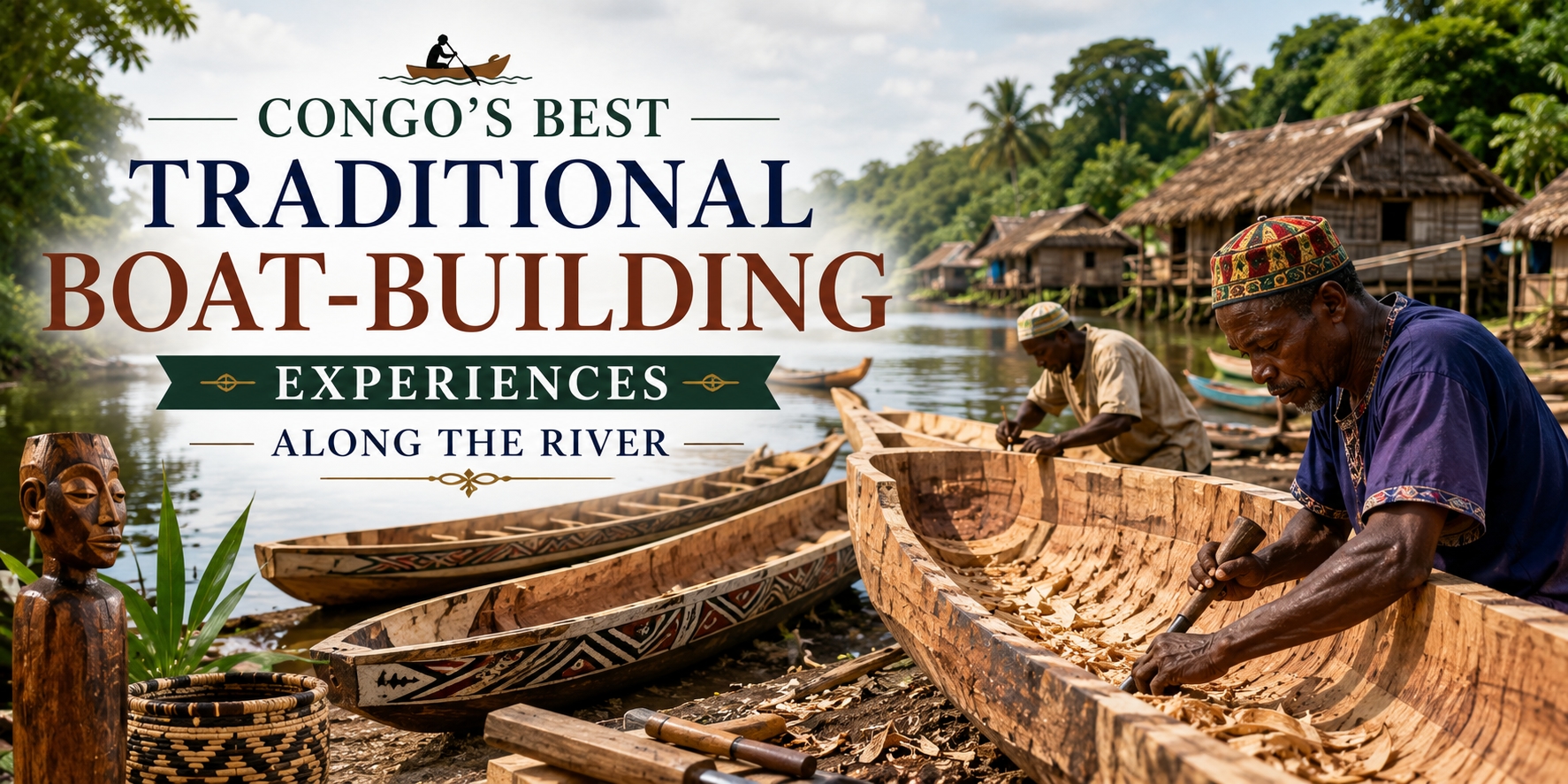
If you are looking for an authentic cultural adventure away from the usual tourist trails, exploring Congo’s traditional boat-building heritage along the river is an unforgettable experience. Here is your guide to discovering this remarkable craft, complete with travel tips to help you get there.
The Heart of the River: Why Traditional Boats Matter in Congo
The Congo River is the lifeblood of Central Africa. With very few paved roads cutting through the dense tropical rainforest, the river serves as the ultimate highway. For centuries, local artisans—often master carpenters passing down skills from father to son—have handcrafted pirogues and larger wooden vessels entirely by hand.
Watching these craftsmen work is like stepping back in time. Without modern power tools, they select sturdy local hardwoods, shape heavy logs with simple adzes and axes, and transform them into sleek, resilient boats capable of navigating powerful currents and hidden sandbars.
Top Traditional Boat-Building Hubs to Visit
If you want to witness or even participate in the boat-building process, a few key areas along the river offer deep cultural immersion:
1. Kisangani: The Upriver Masterclass
Located at the farthest navigable point up the river before the Wagenia Falls, Kisangani is a bustling hub of river culture. Here, you can find local shipwrights working near the banks, carving out massive dugout canoes. It is an incredible place to watch the meticulous process of hollowing and balancing a log so it rides low yet safely in the water.
2. Mbandaka: Rainforest Craftsmanship
Further downriver in the Équateur province, communities rely heavily on specialized watercraft to navigate flooded forests and tributaries. Visiting local villages near Mbandaka gives travelers a chance to see how different boat designs are adapted for specific uses, whether it is fishing, trading, or long-distance family travel.
3. Pool Maleba (Kinshasa Region)
Near the capital, the river widens into the massive lake-like expanse known as Pool Maleba. While modern motorized transport dominates here, traditional boat-building yards still operate along certain banks and islands, showcasing a fascinating blend of ancient techniques and modern necessities.
What to Expect During Your Cultural Visit
Hands-On Observation: While you may not be building a boat from scratch yourself, local artisans are often proud to explain the techniques behind wood selection, balancing, and waterproofing.
Community Connection: Visiting these boat-building sites means supporting local economies. Always travel with a local guide who can facilitate respectful introductions and translations.
Photography Opportunities: The interplay of wood chips, river mist, and skilled hands makes for stunning, respectful photography. Always ask permission before snapping pictures of local workers.
Planning Your Journey: Essential Travel Tips
Planning a trip to witness Congo's incredible river culture requires a bit of preparation. Because infrastructure can be challenging, having your logistics sorted in advance makes all the difference.
Get Your Paperwork Sorted Early
Before you can experience the magic of the Congo River, you will need to secure your official travel authorization. Fortunately, getting started is straightforward. You can easily Apply for the Democratic Republic of the Congo Visa online to streamline your travel preparations. Working with an experienced visa consultant ensures your application is handled efficiently, allowing you to focus on planning your river itinerary rather than stressing over paperwork.
Travel Smart and Stay Safe
Best Time to Travel: The dry seasons (generally June to September and December to February) offer slightly easier travel conditions along the riverbanks.
Pack Light and Practical: Bring quick-dry clothing, sturdy footwear, insect repellent, and plenty of respect for local customs.
Embrace the Pace: River travel in Congo operates on "river time." Delays can happen, but flexibility often leads to the most memorable, authentic moments of your trip.
Final Thoughts
Congo's traditional boat-building heritage is more than just woodworking—it is the very spirit of the river made manifest in timber. By taking the time to understand and witness this craft, you gain a profound appreciation for the resilience, skill, and ingenuity of the Congolese people. Ready to embark on the adventure of a lifetime? Secure your travel documents today and get ready to discover the heartbeat of the Congo River.